

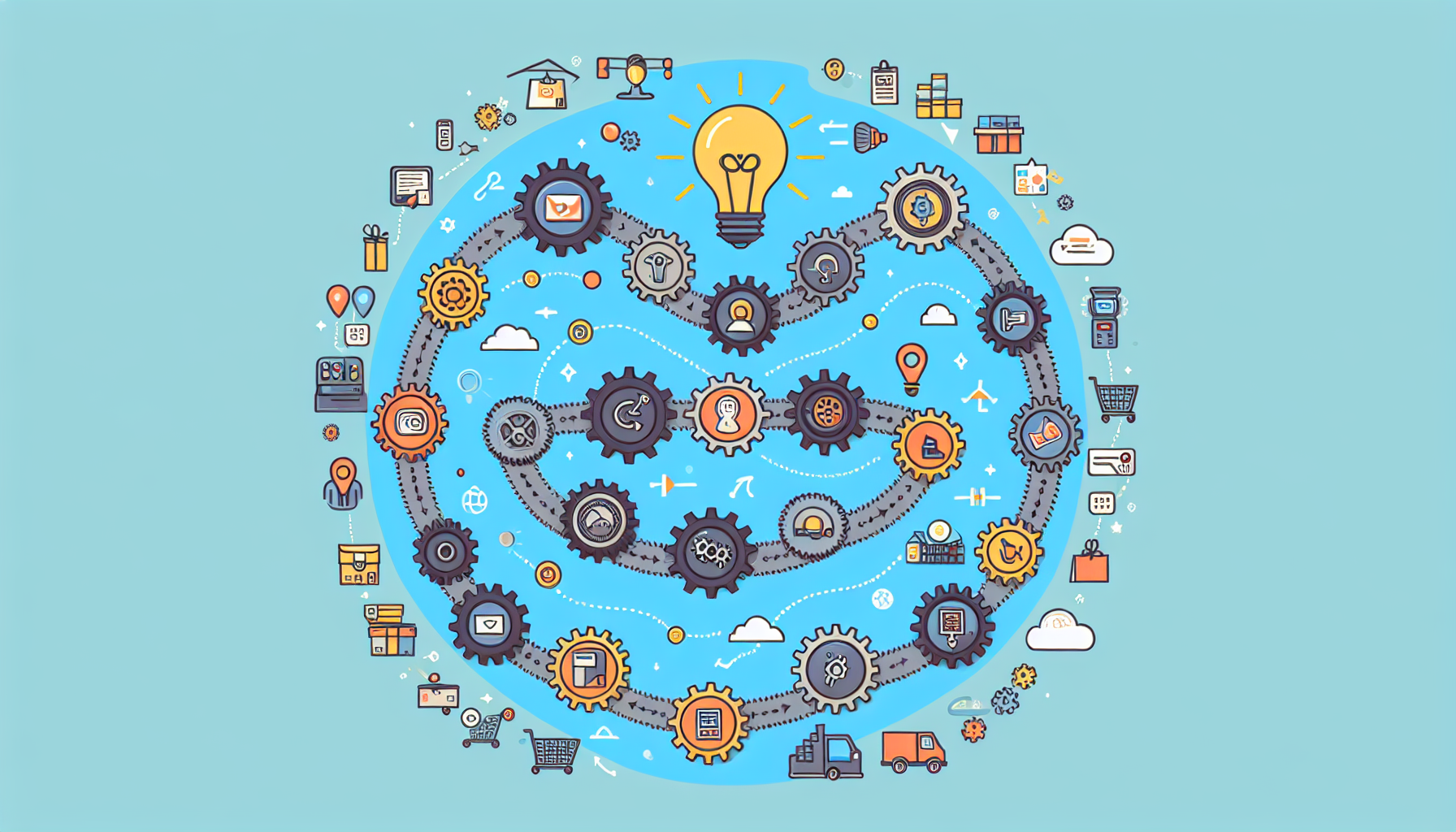

Understanding the Customer Journey
The customer journey is the process through which potential buyers become aware of, consider, and ultimately purchase a product or service. For small businesses, mapping this journey is critical to ensuring that every touchpoint is optimized for a seamless experience. The journey typically consists of awareness, consideration, purchase, retention, and advocacy stages.
The Importance of Automation
Automated solutions can revolutionize how small businesses manage customer interactions. By utilizing technology to streamline processes, businesses can reduce manual workload, improve efficiency, and deliver personalized experiences. Automation not only saves time but also increases accuracy in data handling, which is crucial for making informed business decisions.
Tools for Automating the Customer Journey
1. Customer Relationship Management (CRM) Systems
A CRM is foundational for managing customer relationships. Popular options like HubSpot, Zoho, and Salesforce provide small businesses with tools to automate contact management, track interactions, and analyze customer data. These systems enable targeted marketing campaigns based on customer behavior, ensuring that messages resonate with the audience.
Key Features:
- Email Tracking: Know when customers open your emails.
- Lead Scoring: Automatically rank leads based on predefined criteria to focus efforts on high-probability conversions.
- Follow-Up Reminders: Schedule follow-ups for leads or existing customers to keep the relationship active.
2. Marketing Automation
Marketing automation platforms like Mailchimp, ActiveCampaign, and Marketo allow small businesses to automate repetitive tasks such as email marketing, social media posting, and ad management. Businesses can send personalized messages based on customer demographics and actions, increasing engagement.
Benefits:
- Segmentation: Create tailored marketing messages for different customer segments.
- A/B Testing: Test different messages to see what resonates best with your audience.
- Drip Campaigns: Nurture leads through a series of automated emails designed to educate and convert.
3. Chatbots and Customer Support Automation
Implementing chatbots on your website can enhance customer service by providing instant responses to queries. Tools like Drift, Intercom, and Zendesk can be programmed to answer FAQs, guide users through the purchase process, and collect user information.
Advantages:
- 24/7 Availability: Offer support even outside of business hours.
- Reduced Response Time: Provide immediate answers without human intervention.
- Lead Generation: Collect user data for follow-up.
Streamlining the Purchase Process
Automating the purchase process is vital for improving customer experience. E-commerce platforms like Shopify or WooCommerce enable small businesses to set up their shops with features that guide customers smoothly through the checkout process.
Essential Features:
- Abandoned Cart Recovery: Automated email reminders to customers who leave items in their cart.
- One-Click Checkout: Simplify the payment process to reduce friction.
- Auto-Fill Capabilities: Store and retrieve customer information upon returning, making it easier to complete purchases.
Enhancing Customer Onboarding
Once a purchase is made, onboarding can make or break the customer relationship. Automation can ensure customers are properly welcomed and supported during their transition to product use.
Onboarding Solutions
SurveyMonkey, Typeform, and Customerly can be utilized to automate feedback collection during the onboarding phase.
Steps to Implement:
- Welcome Emails: Send automated welcome messages that highlight key features and how to get started.
- Feedback Loops: Encourage new customers to share their early experiences through automated surveys.
- Resource Sharing: Curate automated links to tutorials, FAQs, and support resources aimed at enhancing onboarding.
Fostering Customer Retention
Retaining customers is often more cost-effective than acquiring new ones. Automated retention strategies can personalize follow-ups and loyalty programs.
Customer Engagement Strategies
Utilizing programs like LoyaltyLion, Smile.io, or Yotpo helps automate loyalty rewards and engagement campaigns for existing customers.
Retention Techniques:
- Personalized Recommendations: Use purchase history to suggest new products or services.
- Milestone Acknowledgments: Automate messages for birthdays or anniversaries, offering discounts or gifts.
- Automated Surveys: Gather insights post-purchase to improve offerings and address concerns.
Building Brand Advocacy
Encouraging customers to advocate for your brand is essential for sustainable growth. Automated solutions allow businesses to leverage satisfied customers for testimonials, reviews, and referrals.
Advocacy Automation
Tools like ReferralCandy and Postly facilitate automated referral programs that reward customers for sharing their experiences.
Implementation Strategies:
- Incentive Programs: Automatically provide discounts or freebies to customers who refer others.
- Social Proof Engagement: Encourage satisfied customers to share reviews on social media, automating requests and follow-ups.
- User-Generated Content: Prompt customers to showcase your product through social media campaigns using specific hashtags.
Measuring Customer Journey Success
To evaluate the effectiveness of your automated solutions, measuring key performance indicators (KPIs) is essential.
Key Metrics:
- Customer Satisfaction Score (CSAT): Evaluates customer satisfaction directly after interactions.
- Net Promoter Score (NPS): Gauges customer loyalty and potential for referrals.
- Customer Lifetime Value (CLV): Estimates the total revenue expected from a customer over their relationship with your business.
Analytics Tools
Tools like Google Analytics, Buffer, and Hootsuite can provide invaluable insights. These platforms help track user behavior, content performance, and overall engagement with your brand.
Best Practices for Implementing Automation
- Start Small: Begin with one area of the customer journey, such as email marketing or customer support, and gradually expand automation efforts as you learn.
- Prioritize Integration: Ensure that all tools and platforms work seamlessly together to avoid data silos.
- Test and Optimize: Regularly analyze performance metrics to adjust strategies and improve effectiveness continually.
- Focus on Personalization: Automation should not eliminate the personal touch. Tailor communications and approaches based on customer data for greater impact.
Navigating Challenges
While automation brings numerous advantages, small businesses must also navigate potential pitfalls. Common challenges include over-reliance on automation, lack of personalization, and difficulties in integrating various tools.
Addressing these challenges requires a careful balance between automation and human interaction. Train staff effectively to supervise automated processes and be available for complex customer queries.
Incorporating automated solutions into the customer journey can significantly enhance the overall experience for small businesses. By utilizing the right tools and strategies, businesses can foster stronger relationships, drive sales, and build a loyal customer base, setting themselves up for long-term success in a competitive marketplace.
 English