

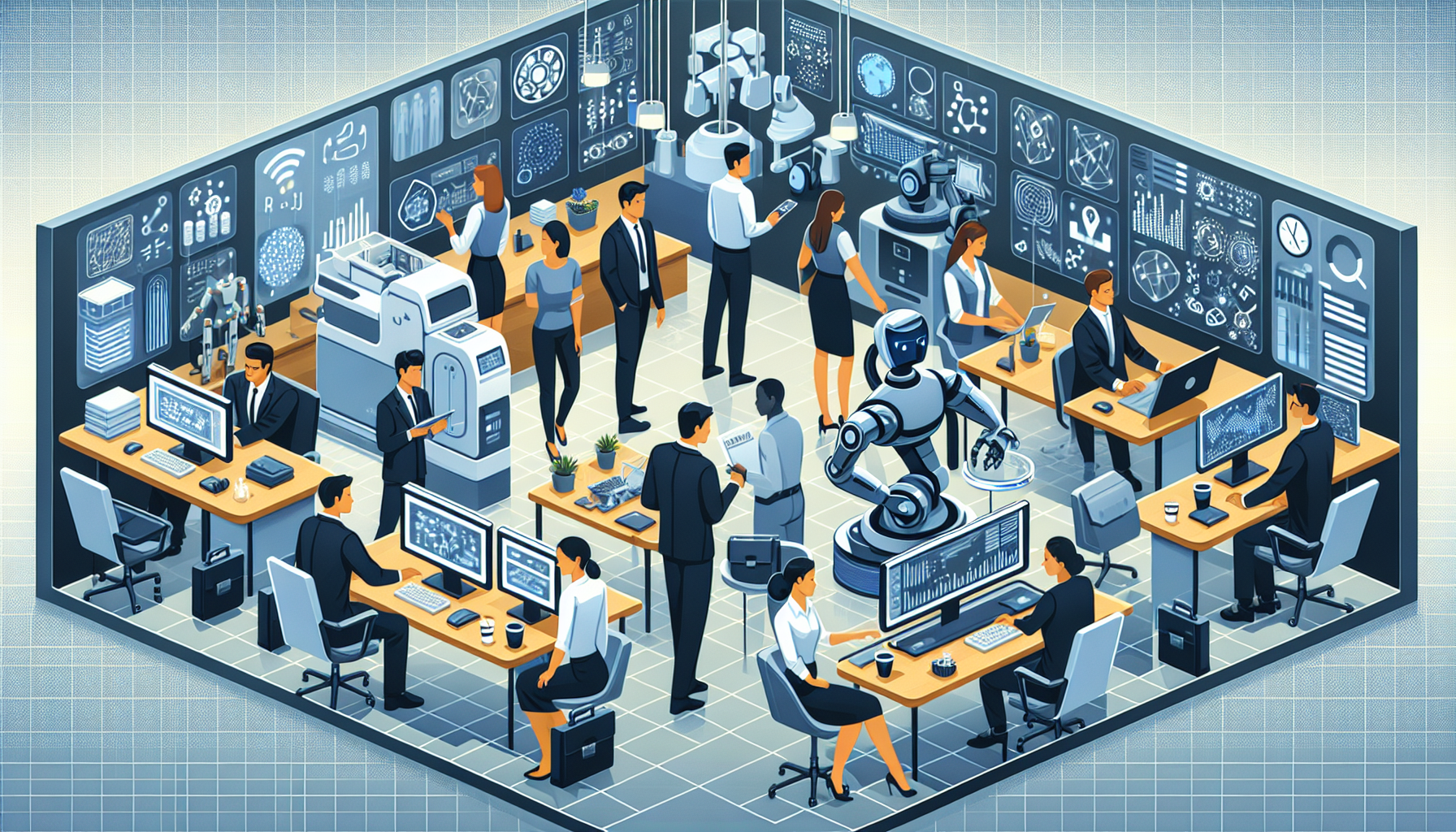

The Role of Automation in Enhancing Workplace Productivity
Understanding Automation in the Workplace
Automation refers to technology applications where human intervention is minimized in processes, tasks, and operations. This can range from software solutions to robotics, machine learning, and artificial intelligence (AI). In recent years, businesses across various sectors have adopted automation as a strategy to improve efficiency, reduce costs, and enhance productivity.
Categories of Workplace Automation
-
Administrative Automation
Administrative tasks often consume significant time and resources. Automation tools like project management software, virtual assistants, and customer relationship management (CRM) systems alleviate these burdens. By automating scheduling, reporting, and data entry, employees can focus on higher-value tasks, improving overall productivity. -
Manufacturing Automation
The manufacturing sector has witnessed a significant transformation with automation through robotic process automation (RPA) and programmable machinery. Robots now handle repetitive tasks such as assembly, welding, and painting, leading to increased speed and precision. This not only boosts productivity but also reduces error rates and operational costs. -
Customer Service Automation
Businesses employ chatbots and AI-driven customer service tools to handle inquiries, manage complaints, and provide support 24/7. By automating customer interactions, companies can ensure swift responses, improve customer satisfaction, and allow human agents to focus on complex issue resolution. -
Human Resources Automation
Recruitment automation tools streamline hiring processes from applicant tracking systems (ATS) to onboarding software. These innovations help HR departments efficiently manage candidate pipelines, making it easier to find qualified candidates. Automated performance evaluation and feedback systems allow managers to focus on employee development rather than administrative tasks. -
Marketing Automation
In an era of digital marketing, automation tools enable organizations to manage campaigns, segment audiences, and analyze data with minimal effort. Email marketing platforms, social media scheduling tools, and analytic dashboards enhance campaign effectiveness, allowing marketing teams to invest time in strategic planning.
Benefits of Workplace Automation
-
Increased Efficiency
Automation transforms labor-intensive processes into streamlined workflows. Time-sensitive tasks, such as data collection and analysis, can be completed far more quickly, which markedly improves overall operational efficiency. -
Cost Reduction
By minimizing human error and the need for manual work, businesses can significantly reduce operational costs. Automation can also lower labor expenses since fewer employees are needed for routine tasks. -
Enhanced Accuracy
Automation increases precision in tasks. For example, robotic systems eliminate common mistakes associated with human oversight, ensuring high-quality output and reliability in operations. This is particularly crucial in manufacturing and data management. -
Better Resource Allocation
With automation handling mundane tasks, employees can redirect their energies to strategic initiatives that drive business growth. This realignment not only enhances productivity but also boosts employee morale, as workers engage in more fulfilling and impactful activities. -
Scalability
Automation enables businesses to scale operations effortlessly. As demand grows, automated processes can be adjusted without the need to proportionately increase the workforce. This flexibility is essential in a rapidly changing business environment. -
Improved Employee Satisfaction
Automating routine tasks leads to a significant reduction in workload. Fewer mundane chores mean employees experience less frustration, which enhances job satisfaction. When employees feel appreciated and empowered, their productivity tends to rise.
Challenges of Workplace Automation
Despite its numerous benefits, the implementation of automation comes with challenges. There is a significant concern regarding job displacement as machines take over tasks traditionally performed by humans. The fear of losing jobs leads to resistance from employees, necessitating careful change management strategies.
Moreover, the initial cost of automation can be high. Small to medium-sized businesses might struggle with investing in cutting-edge technology. Businesses must conduct thorough cost-benefit analyses to ensure that the return on investment justifies these expenses.
Integration is another critical consideration. Seamlessly incorporating automation tools into existing systems is vital. Incompatibilities can lead to disruptions and inefficiencies if not addressed appropriately.
Best Practices for Implementing Automation
-
Conducting a Needs Assessment
Before integrating automation, businesses should assess their specific needs and identify processes that could benefit the most from automation. Prioritizing high-impact areas will maximize efficiency gains. -
Engaging Employees
Involving employees in the automation process can help alleviate fears, build support, and leverage their insights on processes. Training and resources should be available to ensure they are equipped to work alongside automated systems. -
Choosing Tailored Solutions
Off-the-shelf solutions may not address every organizational nuance. Investing in customized automation software or consulting with experts can lead to more effective implementations. -
Monitoring and Evaluation
Once automation is in place, continuous monitoring is essential. This involves evaluating its impact on productivity, making necessary adjustments, and ensuring the technology adapts to the changing needs of the organization. -
Fostering a Culture of Innovation
Encouraging employees to embrace change and view automation as a tool for advancement rather than a threat can foster a culture of innovation. This mentality can drive the organization to pursue continuous improvement.
Conclusion: Future of Automation in the Workplace
Automation will continue to evolve, driven by advancements in technology. The future workplace is likely to be increasingly integrated with AI and machine learning, where systems not only automate but adapt and learn from their environment. This promises to create workplaces where human creativity and machine efficiency coexist harmoniously, thus driving unprecedented levels of productivity.
Ultimately, through thoughtful implementation and ongoing evaluation, businesses that harness the power of automation can significantly enhance their productivity, create a more engaged workforce, and prepare themselves for success in an increasingly competitive landscape. By fully leveraging the benefits of automation while addressing its challenges, organizations stand to gain a substantial competitive edge in their respective industries.
 English