

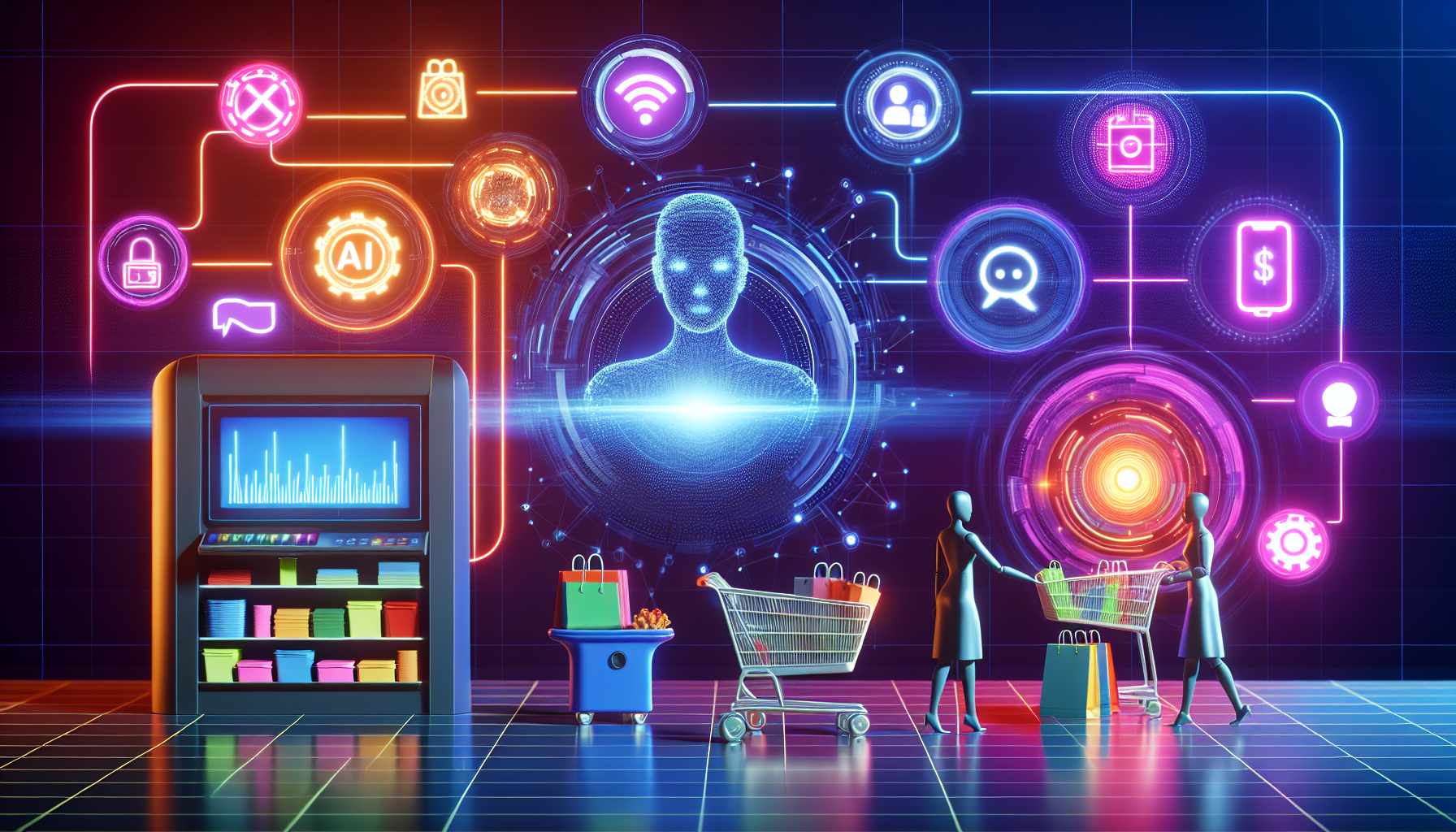

Transforming Retail: The Impact of AI and Automation on Customer Experience
Understanding AI and Automation in Retail
Artificial Intelligence (AI) and automation are increasingly breeding innovation within the retail sector. With technologies like machine learning, chatbots, and predictive analytics, retailers are redefining customer interactions and personalizing shopping experiences. Automation simplifies operational processes, while AI enhances customer engagement strategies. This dynamic duo is reshaping the retail landscape, making it essential for businesses to adopt these technologies to stay competitive.
Enhanced Personalization Through AI
One of the most significant impacts of AI in retail is its ability to deliver personalized experiences. By harnessing data analytics, businesses can gain insights into consumer behavior, preferences, and trends. For instance, algorithms analyze purchase histories and browsing behaviors to recommend products tailored to individual consumers.
Example: Retail giants like Amazon utilize sophisticated AI algorithms that recommend items based on previous purchases and searches, significantly boosting conversion rates. This approach transforms the shopping journey into a personalized experience that fosters customer loyalty.
In addition to product recommendations, AI can power tailored marketing strategies. For example, email marketing campaigns can be adjusted in real-time based on customer interactions, enhancing engagement and ensuring that promotions align with customer interests.
Chatbots and Customer Service
Chatbots represent a significant advancement in automating customer service. These AI-driven tools provide immediate responses to customer inquiries, enhancing user experience. By offering 24/7 support, they address questions related to product availability, order status, and return policies.
Benefits:
- Speed: Chatbots respond instantly, significantly reducing wait times.
- Cost-Effective: They decrease the need for large customer service teams, cutting operational costs.
- Scalability: Businesses can handle an increasing volume of queries without additional human resources.
Companies like H&M have adopted chatbots on platforms like Facebook Messenger to assist shoppers in finding products quickly. This increases engagement and provides a seamless interaction avenue where customers can shop and get assistance simultaneously.
AI-Powered Inventory Management
Inventory management has also seen transformative changes due to AI and automation. Predictive analytics allows retailers to forecast demand accurately, optimizing stock levels and reducing overstock or stockouts.
Impact:
- Efficiency: Automation streamlines inventory tracking and order management, significantly enhancing operational efficiency.
- Enhanced Customer Experience: With improved inventory management, retailers can ensure that products are available when customers want them, reducing frustration caused by out-of-stock situations.
Walmart, for example, uses AI technologies to analyze shopping patterns and predict the items customers will need. As a result, they can maintain appropriate inventory levels, further enhancing customer satisfaction.
Automating the Checkout Process
The traditional checkout process can be tedious, leading to frustration that negatively impacts customer experiences. Automation and AI can significantly improve this vital stage of retail transactions. Contactless payments, self-service kiosks, and mobile wallets have emerged as popular solutions, expediting transactions.
AI in Checkout:
- Facial Recognition: Some retailers have begun experimenting with facial recognition technology to identify customers at checkout, speeding up the payment process.
- Mobile scanning: Retailers like Amazon Go have revolutionized shopping with their cashier-less stores, leveraging sensor technology and AI to allow customers to walk in, grab items, and leave without physically checking out.
Benefits: This eliminates long lines, enhances convenience, and offers a hassle-free shopping experience, leading to increased customer satisfaction and loyalty.
Dynamic Pricing Strategies
AI enables retailers to implement dynamic pricing strategies, adjusting prices based on demand, competition, and other external factors in real time. The ability to analyze market conditions allows retailers to maximize their revenue opportunities while continuing to meet customer expectations.
Advantages:
- Customer Attraction: Lower prices during promotional seasons can attract more customers, while raising prices during high demand can maximize profits.
- Enhanced Competitiveness: Retailers can remain competitive by adjusting prices swiftly compared to rivals.
Companies like Uber have long employed this strategy, providing insight for retailers looking to adopt similar methods in product pricing, ensuring they remain appealing to consumers while optimizing sales margins.
Omnichannel Shopping Experience
The blend of AI and automation contributes to creating a seamless omnichannel shopping experience. By integrating various platforms – online, mobile, and in-store – retailers can ensure consistent interactions with customers across all touchpoints.
AI’s Role:
- AI-powered analytics can track customer interactions across channels, allowing retailers to understand their preferences and behaviors distinctly.
- Consistent branding and messaging across platforms ensure that customer interactions are unified and satisfying.
Sephora is a notable example of leveraging omnichannel strategies. They utilize their mobile app to enhance in-store experiences, allowing customers to find products, access reviews, and even utilize augmented reality features to virtually try on makeup.
Fraud Detection and Security Enhancement
As digital transactions increase, the threat of fraud rises. AI-powered systems offer fraud detection capabilities, analyzing transaction patterns to identify anomalies that may indicate fraudulent activity.
Benefits:
- Real-time Monitoring: AI systems can monitor transactions in real time, significantly reducing potential losses from fraudulent activities.
- Customer Trust: Enhanced security measures foster consumer trust, vital for long-term customer relationships.
Retailers like Target are implementing AI technologies to bolster their security measures, ensuring that customers feel safe while transacting online.
The Future of Retail: AI and Automation
As technology continues to evolve, the integration of AI and automation within retail will likely deepen. Future developments may include more advanced use cases of virtual reality for immersive shopping experiences, further optimizing delivery services with drone technology, and utilizing blockchain for improved transparency in supply chains.
Retailers must remain vigilant, embracing change and innovation to stay ahead in an increasingly competitive market. Understanding customer preferences and maintaining a flexible approach will be crucial to successfully navigating the retail landscape shaped by AI and automation.
Final Thoughts
The integration of AI and automation in retail not only transforms customer experiences but also equips retailers with the tools necessary for success in a dynamic marketplace. By embracing these technologies, businesses can improve personalization, streamline processes, and enhance overall customer satisfaction, ensuring they thrive amid evolving consumer expectations. Keeping pace with technological advancements will be imperative for retail organizations looking to maintain a competitive edge in the future.
 English