

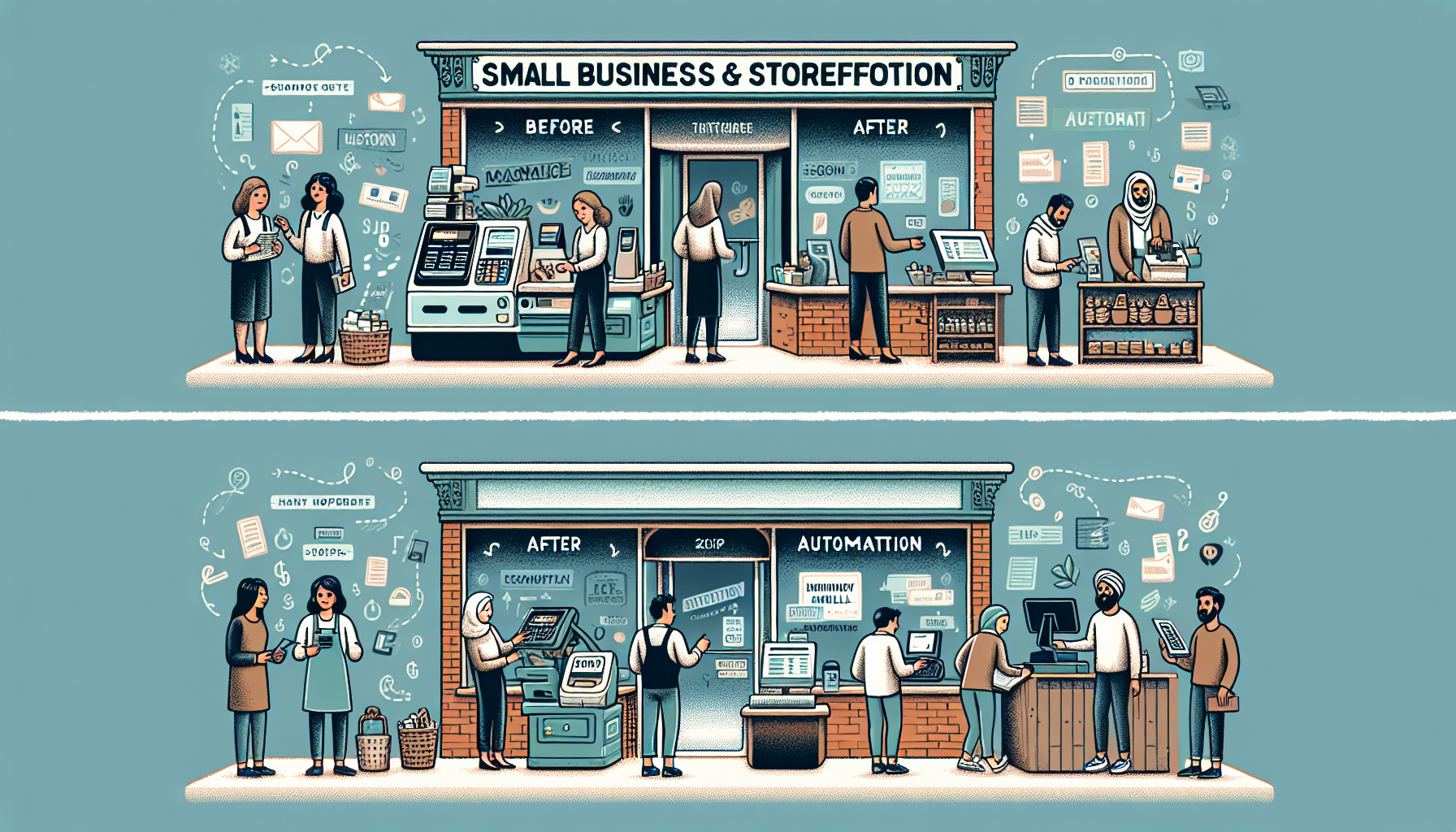

The Transformation of a Small Business through Automation
Background of the Business
In the heart of a bustling suburban area, a small family-run bakery, “Sweet Delights,” had been serving delectable treats for over a decade. Known for its artisanal cookies and customized cakes, Sweet Delights developed a loyal customer base, primarily relying on word-of-mouth and local advertising. However, the onset of competition and rising operational costs led the owners to seek new ways to improve efficiency and profitability.
Identifying Pain Points
Sweet Delights faced several operational challenges that threatened its growth. Their manual processes included inventory management, staff scheduling, and order tracking, which led to errors and inefficiencies. The bakery struggled with:
- Inventory Management: Keeping track of ingredients often resulted in overstocking or running out of crucial items.
- Time-Consuming Order Processing: Orders were taken manually, sometimes leading to confusion or missed requests.
- Employee Scheduling Dilemmas: Scheduling shifts for staff was a labor-intensive task that took valuable time away from baking and customer service.
The Decision to Automate
After attending a local small business conference discussing technological advancements, the owners recognized that automation could address their pain points. They decided to invest in several automation tools aimed at streamlining their operations.
Implementing Automated Solutions
-
Inventory Management System: They adopted an automated inventory management system that maintained real-time tracking of ingredients. This system integrated with their point-of-sale (POS) software, allowing instant updates when sales occurred. Alerts would notify the owners when stocks were low, enabling proactive ordering.
-
Online Ordering Platform: Sweet Delights launched an online ordering system, providing customers with the ability to browse products, customize orders, and make payments seamlessly. This platform reduced the burden on staff as it automated order entries and confirmations.
-
Staff Scheduling Software: With the implementation of scheduling software, employees could now view available shifts and request time off from any device. The system automatically aligned staff availability with anticipated demand, significantly reducing scheduling conflicts and communication issues.
Training and Adaptation
To ensure a smooth transition to automated processes, the owners organized training sessions for employees. This comprehensive training covered not only how to use the new tools but also emphasized the importance of adapting to technology as a means to enhance service. Employees were encouraged to provide feedback throughout the process, fostering a collaborative atmosphere.
Immediate Results
-
Increased Efficiency: The automated inventory system cut down the time spent on stock management from several hours a week to just a few minutes. This gained time was redirected towards baking and customer engagement.
-
Higher Sales Volume: The online ordering system immediately resulted in a 30% increase in sales within the first three months. Customers appreciated the convenience, leading to a significant rise in both repeat business and new customers attracted by the ease of access.
-
Enhanced Employee Satisfaction: Staff scheduling decreased from a stressful weekly task to a straightforward process. They reported higher satisfaction as they could easily manage their work-life balance, leading to increased morale and productivity.
Long-term Benefits
As the months progressed, automation continued to yield substantial long-term benefits.
-
Data-Driven Insights: The inventory management and POS systems provided analytics that revealed sales trends, customer preferences, and peak ordering times. This data empowered the owners to make informed decisions regarding product offerings and promotional strategies.
-
Cost Savings: By optimizing inventory levels and minimizing waste, the bakery reduced ingredient costs by up to 20%. The online platform cut marketing expenses, as existing customers frequently returned and new customers discovered the bakery through online search visibility.
-
Improved Customer Experience: The combination of online ordering with efficient management systems translated to enhanced customer service. Orders were fulfilled with greater accuracy and speed, leading to a notable uptick in positive customer reviews.
Overcoming Obstacles
Transitioning to automated processes wasn’t without its challenges. There were initial hurdles regarding employees’ fear of job loss. The owners actively engaged with their staff to communicate that automation was meant to augment their roles, not replace them. This transparency alleviated fears and encouraged a culture of innovation and adaptability.
Community Engagement and Future Plans
To integrate their new technological edge with community spirit, Sweet Delights began hosting workshops focusing on baking techniques while promoting their online platform. The bakery also leveraged social media to engage customers and expand their reach beyond the local community.
The automation journey didn’t end with the initial implementation. The owners continuously explored new tools for marketing automation and customer relationship management (CRM) to further extend their efficiencies.
Key Takeaways
Sweet Delights’ experience underlines the transformative power of automation for small businesses. By embracing modern technology, the bakery not only streamlined its operations and improved profitability but also enriched the customer experience and employee satisfaction. The success of Sweet Delights serves as a case study for aspiring small business owners looking to enhance their operational efficiency and market reach.
Final Notes
Automation is not merely a luxury; it is becoming an essential component of business strategy. The steps taken by Sweet Delights serve as a testament to the benefits of leveraging technology to sustain and grow a business in a competitive landscape. As more small businesses recognize the importance of automation, those who adapt will likely thrive in the evolving marketplace.
 English