

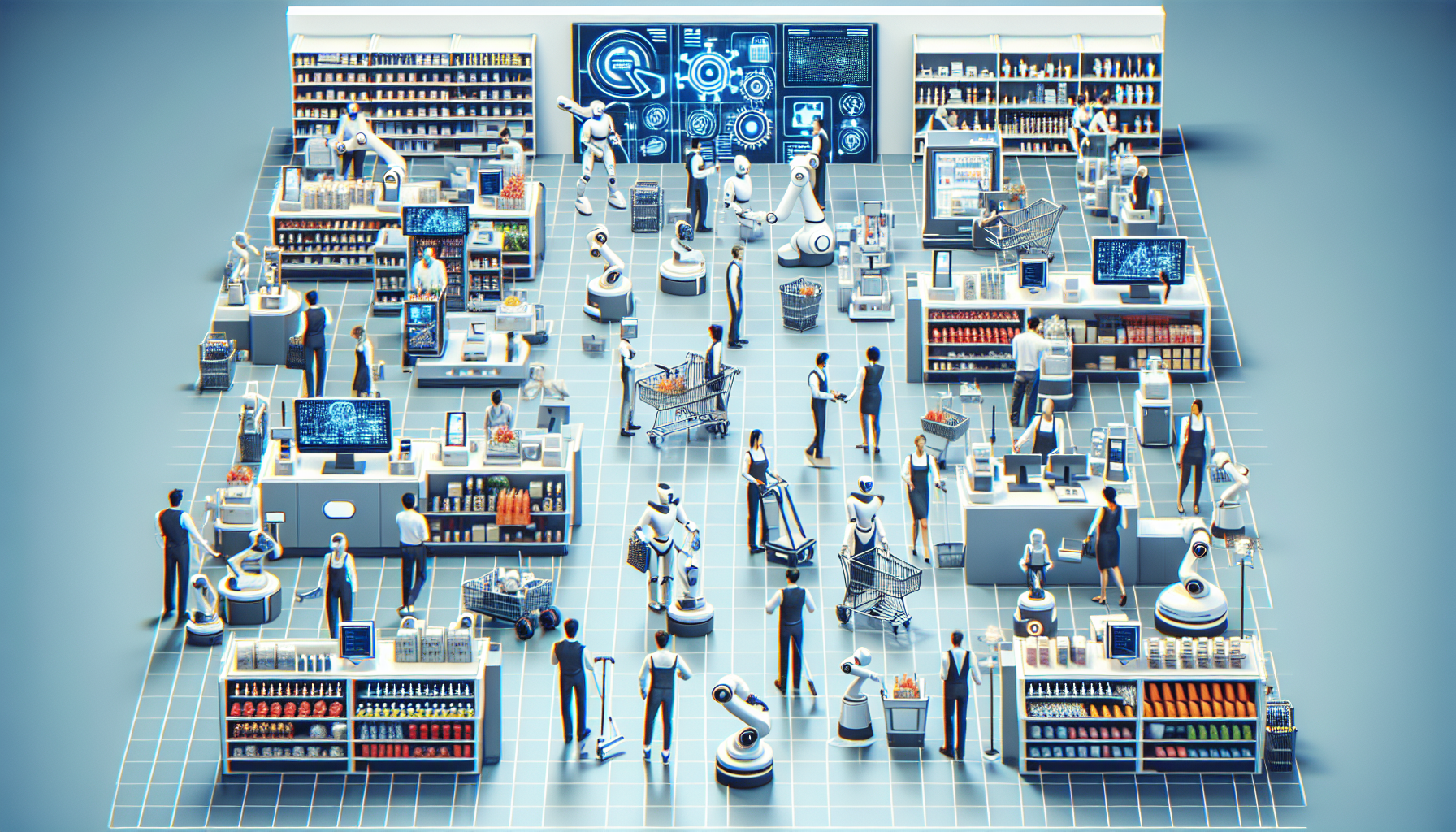

Automation in Retail: Reducing Costs and Increasing Efficiency
The retail landscape has undergone a dramatic transformation with the integration of automation technologies, leading to significant cost reductions and enhanced operational efficiency. Retailers worldwide are leveraging automation to streamline processes, optimize inventory management, and improve customer experiences. This detailed exploration delves into how automation is reshaping the retail sector, focusing on various areas such as inventory management, point-of-sale systems, supply chain logistics, customer service, and overall operational efficiency.
1. Inventory Management Automation
Effective inventory management is crucial to retail success. Traditional inventory systems can be labor-intensive and prone to errors, leading to stockouts or overstock situations. Automated inventory management systems utilize real-time data analytics to forecast demand accurately and optimize stock levels.
Benefits:
- Real-Time Tracking: Automated systems provide real-time insights into inventory levels, allowing retailers to make informed decisions about restocking and discontinuing products.
- Shrinkage Reduction: Automation helps reduce shrinkage caused by human error or theft by keeping accurate records of inventory movements.
- Demand Forecasting: Leveraging machine learning algorithms, automated systems can analyze historical sales data, seasonal trends, and market dynamics to predict future demand accurately.
2. Point-of-Sale (POS) Automation
The retail checkout process has seen a significant upgrade with automation. Modern point-of-sale systems streamline transactions, manage sales data, and integrate with other systems.
Benefits:
- Speeding Up Transactions: Automated POS systems minimize wait times by allowing quick scanning of items and processing payments via various methods, including contactless options.
- Data Insights: Automated POS systems collect valuable sales data, enabling retailers to track purchasing patterns, monitor performance, and create targeted marketing strategies.
- Integration: These systems can integrate with inventory management solutions and customer relationship management (CRM) systems, providing a holistic view of operations.
3. Supply Chain Automation
The supply chain is the backbone of retail, and automation plays a pivotal role in enhancing its efficiency. Robotics, automated transportation, and data analytics are optimizing supply chain operations.
Benefits:
- Increased Speed and Efficiency: Automated systems can handle tasks such as order picking, packing, and shipping more swiftly than human labor can.
- Error Reduction: Automation minimizes the risk of human errors in order fulfillment, which is critical for maintaining customer satisfaction and trust.
- Cost Savings: By optimizing transportation routes and warehouse operations, automation leads to significant cost reductions in logistics.
4. Customer Service Automation
In an era where customer experience is paramount, automation presents opportunities for retailers to improve service quality. Tools such as chatbots and automated response systems play a significant role in customer interactions.
Benefits:
- 24/7 Availability: Automated customer service systems can provide support at any time, ensuring that customer inquiries are addressed promptly.
- Personalization: Advanced AI algorithms can analyze customer data to provide personalized responses and recommendations, enhancing the shopping experience.
- Scalability: As retailers grow, automated customer service solutions can easily scale to handle increased volumes without necessitating vast human resources.
5. Marketing Automation
The retail industry is increasingly adopting marketing automation tools to engage customers more effectively and efficiently. These tools allow retailers to target specific audience segments and automate various marketing tasks.
Benefits:
- Customer Segmentation: Automated marketing systems can analyze data to create detailed customer segments, allowing for targeted campaigns that resonate with each group.
- Streamlined Campaigns: Retailers can schedule and manage campaigns across multiple channels from a single platform, increasing consistency and reducing workload.
- Performance Tracking: Automated marketing tools provide analytics and reporting features that enable retailers to measure the effectiveness of their marketing efforts in real time.
6. Workforce Management Automation
Managing a retail workforce efficiently is vital for maintaining operational flow and employee satisfaction. Automation technologies help streamline workforce management tasks.
Benefits:
- Scheduling Efficiency: Automated scheduling tools can analyze sales forecasts and employee availability to create optimized work schedules that meet business needs.
- Time Tracking: Automation simplifies time tracking for employees, reducing administrative workload and ensuring accurate payroll processing.
- Performance Management: Managers can access automated performance analytics to identify areas for employee development and improve overall team effectiveness.
7. Challenges and Considerations
While the benefits of automation in retail are numerous, several challenges need to be addressed to maximize its potential.
- Initial Investment: The upfront cost of implementing automated systems can be a barrier, especially for smaller retailers. However, it is essential to consider long-term savings.
- Integration with Existing Systems: Retailers must ensure that new automation technologies integrate seamlessly with their current systems to avoid data silos and operational disruptions.
- Employee Adaptation: Resistance to change among employees is a common challenge. Retailers need to invest in training programs to help their workforce adapt to new technologies.
8. Future Trends in Retail Automation
As technology continues to evolve, several trends are shaping the future of automation in retail:
- Artificial Intelligence (AI): The integration of AI will enhance automation processes, providing deeper insights and improving decision-making.
- Robotics: The use of robotics in warehouses and retail spaces will continue to grow, enabling faster and more accurate operations.
- Blockchain Technology: Incorporating blockchain can enhance transparency and security in supply chain management, offering consumers confidence in product authenticity.
Retailers are increasingly recognizing that adopting automation is not merely a trend but a necessity to remain competitive. By reducing costs and increasing efficiency, automation stands at the forefront of transforming the retail industry for the better. The combination of improved inventory management, speedier POS transactions, efficient supply chain logistics, enhanced customer service, effective marketing strategies, and streamlined workforce management showcases the multifaceted benefits of automation in retail. Embracing this technological evolution will empower retailers to navigate the complexities of the modern marketplace with agility and resilience.
 English