

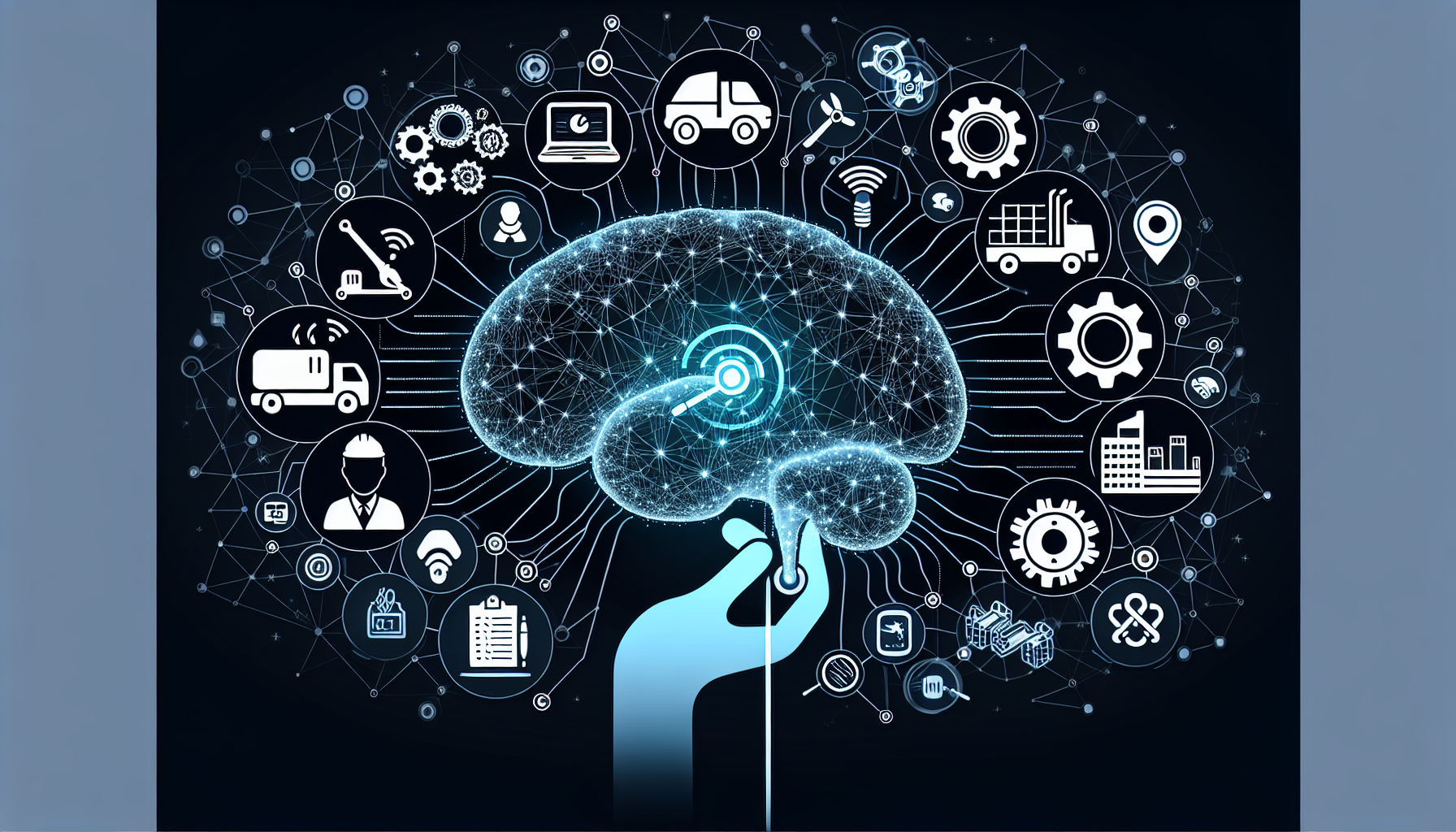

Understanding Predictive Maintenance
Predictive maintenance (PdM) is a proactive maintenance strategy that uses data analysis and AI-driven predictions to determine when equipment failure is likely to occur. This approach minimizes unexpected downtime, reduces maintenance costs, and extends the lifespan of equipment. With digitization and the rise of the Internet of Things (IoT), companies can now leverage vast amounts of data generated by machines to inform their maintenance strategies.
The Role of AI in Predictive Maintenance
AI technologies, including machine learning, data analytics, and deep learning, play a crucial role in predictive maintenance. By analyzing historical and real-time data, AI can identify patterns and predict when maintenance should be performed. Here are some key aspects of how AI enhances predictive maintenance:
-
Data Collection and Integration: AI systems integrate data from various sources including sensors installed in machinery, equipment logs, and environmental factors affecting performance. This comprehensive data collection provides a holistic view of asset health.
-
Pattern Recognition: Through machine learning algorithms, AI can identify trends and anomalies in equipment performance data that may precede failures. For instance, abnormal vibration patterns or temperature spikes often signal a component issue before it leads to failure.
-
Forecasting Algorithms: AI employs statistical models to forecast future equipment conditions based on historical data. These forecasting models help organizations schedule maintenance activities precisely when needed, rather than on a fixed schedule or after a failure occurs.
-
Root Cause Analysis: AI can assist in diagnosing the root causes of problems by analyzing multiple factors simultaneously. Understanding these causes enables organizations to address issues proactively, enhancing overall reliability.
Applications Across Industries
Manufacturing
In the manufacturing sector, AI-driven predictive maintenance is vital for reducing downtime and streamlining operations. Predictive systems monitor machinery health, using sensors that capture real-time performance data. For instance, if a motor exhibits abnormal vibrations, the system can alert maintenance teams before a breakdown occurs, allowing for timely repairs. Companies like Siemens have implemented AI-based solutions in their manufacturing plants, resulting in significant reductions in unplanned downtime.
Transportation
In transportation, predictive maintenance is crucial for fleets of vehicles, particularly in logistics and public transit. AI analyzes data from GPS, engine diagnostics, and driver behavior to predict potential issues. For example, predictive analytics can forecast when a truck’s tires might need replacing based on usage patterns, thus avoiding flat tires and associated delays. Airlines utilize these systems to monitor their aircraft, ensuring safety and operational efficiency.
Energy Sector
The energy sector relies heavily on predictive maintenance for equipment such as turbines, generators, and transformers. AI technologies monitor performance metrics and environmental conditions, predicting failures before they impact energy production. For instance, wind farms use predictive analytics to assess the conditions of turbine components, leading to scheduled maintenance that minimizes operational disruptions.
Healthcare
In healthcare, predictive maintenance is applied to medical equipment, which is critical for patient care. Advanced diagnostic tools use AI to monitor the status of devices such as MRI machines and ventilators, predicting failures that could compromise patient safety. By enabling proactive scheduling of service and repairs, hospitals can ensure that critical equipment is always operational.
Agriculture
The agriculture industry also benefits from AI-enabled predictive maintenance. Farmers use sensors on machinery to track operational efficiency and detect mechanical issues promptly. Drones equipped with AI can also monitor crop conditions, enabling farmers to maintain equipment and tools when needed, thereby improving productivity and reducing unexpected equipment failures.
Advantages of AI in Predictive Maintenance
-
Cost Reduction: By avoiding unplanned downtime and extending equipment life, companies enjoy significant cost savings. Maintenance is performed only when necessary, and resources are allocated more effectively.
-
Operational Efficiency: Predictive maintenance allows organizations to maximize the use of their assets. By minimizing unexpected interruptions, production flows are maintained without hiccups.
-
Improved Safety: Proactive maintenance reduces the risk of equipment failures, which can pose safety hazards. Ensuring that machines are in good working condition protects both employees and equipment.
-
Data-Driven Decision Making: With AI, organizations can rely on precise data analysis rather than intuition or experience alone, leading to better decision-making regarding maintenance and operational strategies.
Challenges and Considerations
Despite its benefits, AI-driven predictive maintenance comes with challenges. The initial investment in AI technology and infrastructure can be substantial. There is also a need for trained personnel who can interpret data analytics and effectively act on predictions. Moreover, ensuring data quality and security is pivotal, as any inaccuracies in data can lead to erroneous predictions.
Future Trends
As AI technology continues to evolve, the future of predictive maintenance looks promising. Incorporating advanced technologies such as edge computing will allow for real-time data processing closer to the source, leading to faster decision-making and predictive capabilities. Additionally, advancements in AI algorithms will enhance the accuracy of predictions, making industrial operations even more efficient.
The integration of AI with other technologies, such as 5G, will further revolutionize predictive maintenance by facilitating seamless communication between connected devices. As industries increasingly adopt these innovations, predictive maintenance will become a standard practice, driving efficiency and reliability across sectors.
Conclusion
While the content does not include a conclusion, the preceding text presents a comprehensive exploration of how AI is enabling predictive maintenance across various industries. By harnessing the power of data analytics and AI technologies, organizations can enhance operational efficiency, reduce costs, and minimize risks, marking a significant transformation in how maintenance is approached across different sectors. Through continued advancements, predictive maintenance will remain at the forefront of industrial innovation, adapting to future challenges and promoting sustainability in business practices.
 English