

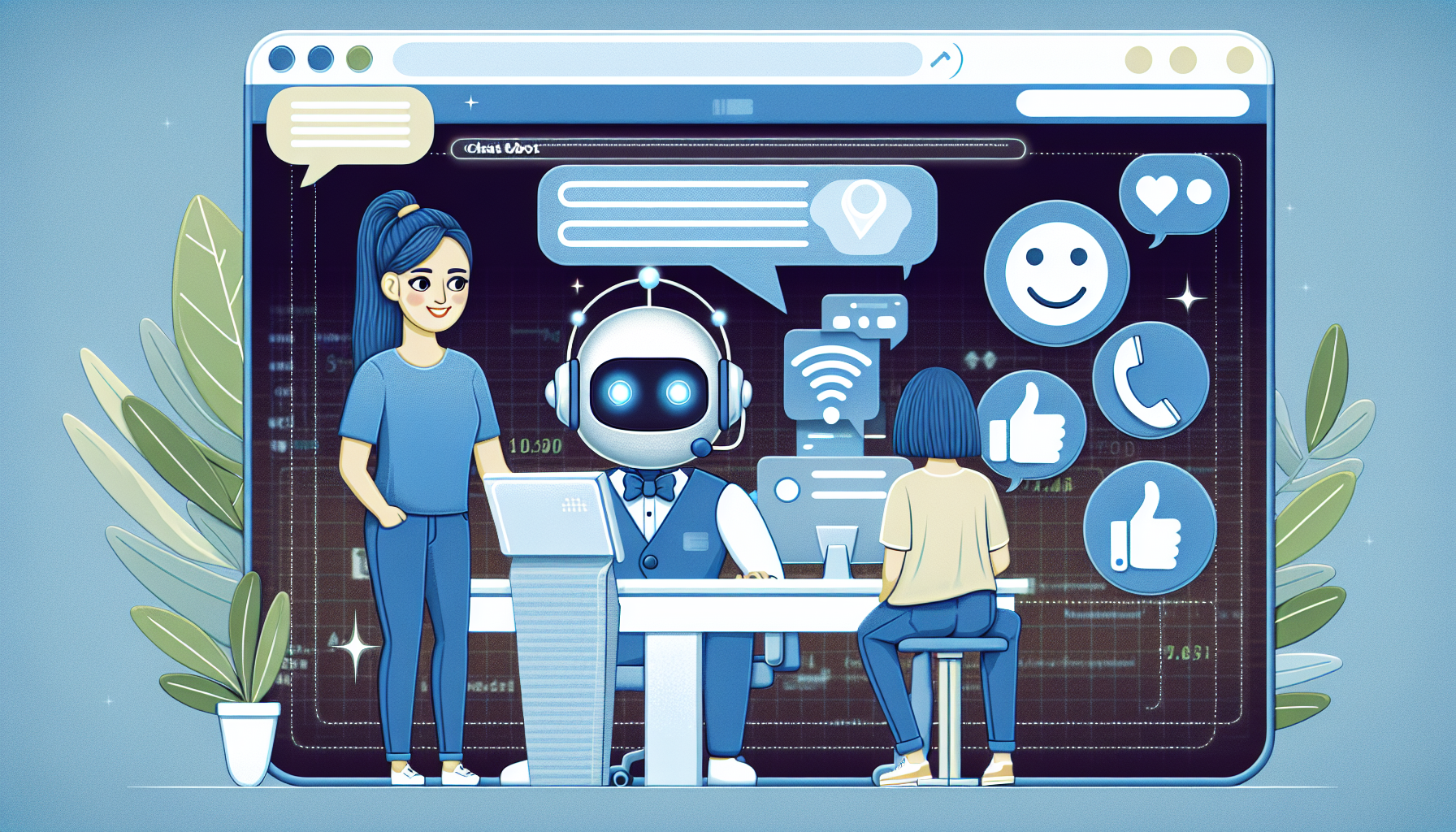

AI-Powered Chatbots: Enhancing Customer Support in eCommerce
What are AI-Powered Chatbots?
AI-powered chatbots are software applications designed to simulate conversations with users. Leveraging advanced algorithms and machine learning techniques, these chatbots can understand and respond to customer queries in real time. They are becoming a cornerstone of customer support in the eCommerce sector, allowing businesses to provide efficient and effective service.
Benefits of AI-Powered Chatbots in eCommerce
-
24/7 Availability: One of the most significant advantages of AI chatbots is their ability to provide round-the-clock service. Unlike human agents who require breaks and time off, chatbots can assist customers at any hour. This continuous availability ensures that customer inquiries are addressed promptly, which is crucial in the fast-paced eCommerce environment.
-
Cost Efficiency: Implementing chatbots can reduce operational costs significantly. Instead of hiring large teams of customer service representatives, businesses can deploy chatbots to handle a substantial volume of inquiries. This allows companies to allocate resources more efficiently while maintaining high levels of service.
-
Scalability: As eCommerce businesses grow, so do their customer service needs. AI chatbots can easily handle spikes in volume, such as during sales promotions or holidays, without the need to quickly hire or train new staff. This scalability ensures that customer satisfaction remains high, regardless of demand fluctuations.
-
Consistency in Responses: Human agents can sometimes offer inconsistent responses due to fatigue or varying levels of expertise. AI chatbots, however, provide uniform answers, ensuring that all customers receive accurate and relevant information every time they interact with the chatbot.
-
Personalization: Advanced AI chatbots can analyze customer data and interaction history, allowing them to tailor responses to individual users. This personalized approach enhances the customer experience by making interactions feel more human and relevant.
Use Cases for AI Chatbots in eCommerce
-
Product Recommendations: Chatbots can analyze customer behavior and preferences to suggest products. By evaluating previous purchases and browsing history, they provide personalized recommendations that can lead to higher conversion rates.
-
Order Tracking: Customers often want to know the status of their orders. AI chatbots can provide real-time information regarding shipping status, delivery dates, and any delays. By simplifying this process, chatbots enhance the customer’s experience.
-
Handling FAQs: Frequently asked questions (FAQs) can consume a significant amount of time for customer service teams. AI chatbots can address common queries efficiently, such as return policies, payment methods, or sizing charts, allowing human agents to focus on more complex issues.
-
Customer Feedback Collection: Gathering feedback is vital for any business. Chatbots can facilitate the process by engaging customers after a purchase, asking them to rate their experience, and collecting valuable insights that can inform product development or service improvements.
-
Abandoned Cart Recovery: An effective strategy in eCommerce is to address cart abandonment. AI chatbots can initiate conversations with customers who have left items in their cart, offering assistance, discounts, or reminders to encourage them to complete their purchases.
Challenges Faced by AI Chatbots
-
Understanding Context: While AI chatbots have made significant strides in natural language processing (NLP), they can still struggle with understanding context or sentiment in complex queries. This can lead to misunderstandings and frustration for customers.
-
Limited Emotional Intelligence: Human agents possess emotional intelligence that allows them to empathize and connect with customers. Chatbots, on the other hand, may lack the ability to interpret emotional nuances, which can hinder relationship building in customer service.
-
Initial Setup and Maintenance Costs: While chatbots can save costs in the long run, the initial setup, training, and ongoing maintenance can require a significant investment. Businesses need to carefully assess their readiness before implementing such technology.
-
Privacy and Security Concerns: With the increasing importance of data privacy, businesses must ensure that chatbots comply with regulations, such as GDPR. Customers are more cautious about sharing personal information, necessitating a focus on security protocols.
Best Practices for Implementing AI Chatbots
-
Define Clear Objectives: Before deploying a chatbot, businesses should clearly outline the goals they want to achieve, whether it’s answering inquiries, providing product recommendations, or assisting with order issues.
-
Choose the Right Platform: Selecting a chatbot platform that aligns with the business’s technological framework is crucial. Factors to consider include ease of integration, scalability, and the range of features offered.
-
Continuous Learning and Improvement: AI chatbots thrive on data. Regularly updating the chatbot’s knowledge base and algorithms based on customer interactions can enhance its performance and relevance over time.
-
Hybrid Approach: While chatbots are excellent for handling straightforward inquiries, there will always be complex issues that require human intervention. Offering customers the option to transition from a chatbot to a human agent can improve satisfaction and ensure that challenging queries are handled effectively.
-
Monitor Performance Metrics: Tracking key performance indicators such as resolution rates, customer satisfaction scores, and response times helps businesses evaluate the effectiveness of their chatbot implementation. This data can provide insight into areas needing improvement.
Future Trends in AI Chatbots for eCommerce
-
Advanced Natural Language Processing: As AI continues to evolve, future chatbots will likely achieve a better understanding of human conversation nuances, allowing for more natural interactions.
-
Voice-Activated Chatbots: With the rise of voice search and smart home devices, integrating voice capabilities into chatbots could lead to a more accessible and efficient customer service experience.
-
Integration with AR and VR: Augmented Reality (AR) and Virtual Reality (VR) are gaining traction in eCommerce. Integrating chatbots with these technologies could create immersive shopping experiences, enhancing customer engagement.
-
Enhanced Personalization through AI and ML: Machine Learning (ML) algorithms will continue improving chatbots’ ability to understand customer behavior dynamically, enabling even more tailored interactions.
-
Multi-Channel Support: As customers interact across various platforms, future chatbots will need to provide a seamless experience across all channels, ensuring continuity of service whether customers engage via social media, websites, or mobile apps.
By adopting AI-powered chatbots, eCommerce businesses can significantly enhance their customer support, providing immediate assistance and personalized experiences that drive customer loyalty and satisfaction. Embracing this technology is no longer just an option; it’s becoming a critical component of successful customer service strategies in the digital age.
 English