

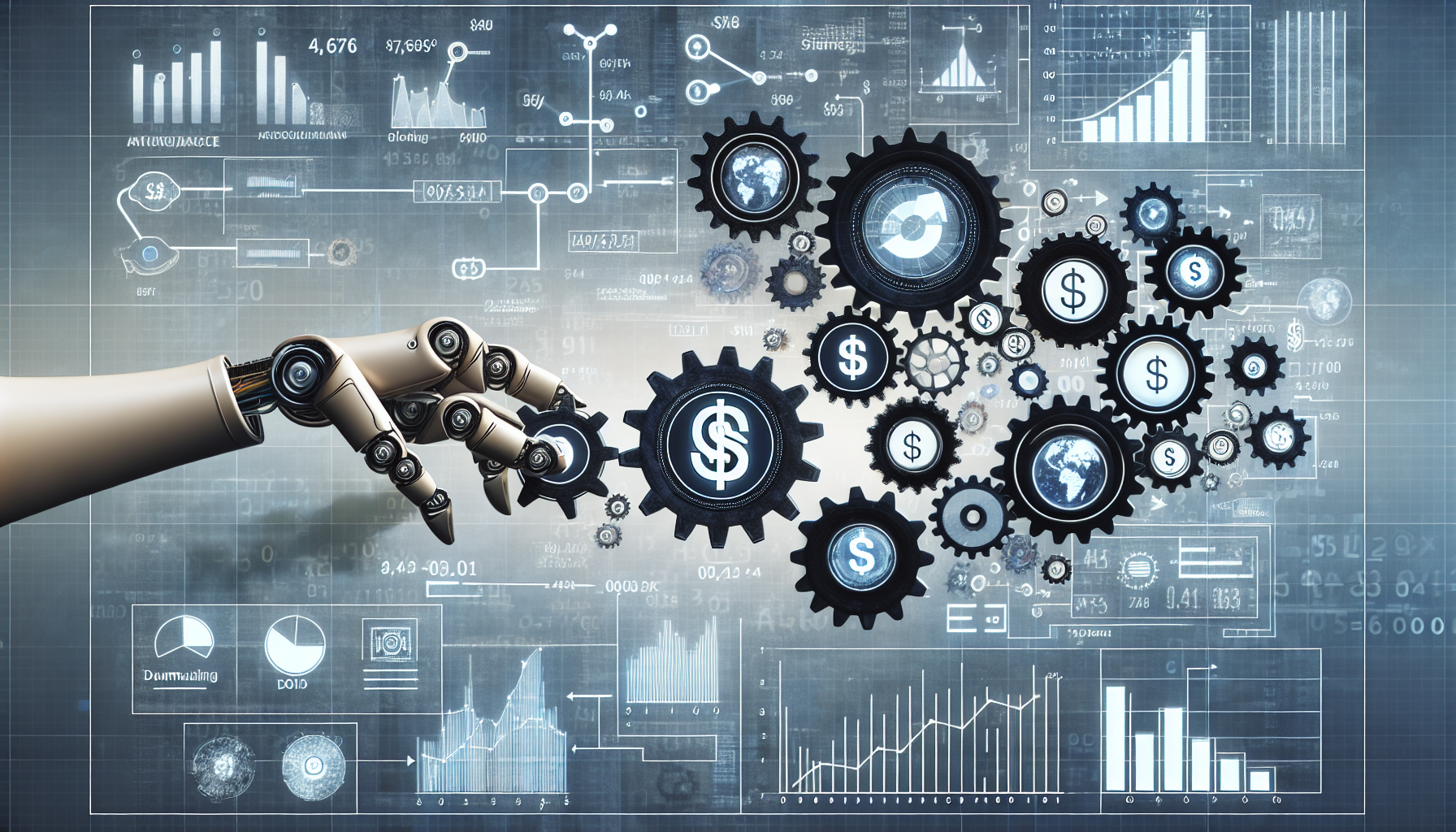

Leveraging Automation for Better Data Analysis in Finance
Understanding Automation in Finance
Automation in finance refers to the use of technology to perform processes and tasks that traditionally required human intervention. In the context of data analysis, automation can streamline repetitive tasks, improve accuracy, and enhance efficiency. Financial institutions today harness automation to manage large datasets, analyze market trends, evaluate risks, and support decision-making.
The Importance of Data Analysis in Finance
Data analysis has become integral to strategic financial management. It allows organizations to make sense of vast amounts of information, transforming raw data into actionable insights. Effective data analysis can guide investment strategies, risk management, compliance, and customer relationship management. Leveraging automation can significantly optimize these processes.
Key Benefits of Automation in Financial Data Analysis
-
Increased Efficiency
Automation significantly reduces the time taken to analyze data. Patchy manual processes can lead to delays in reporting and decision-making. Automated systems can promptly process and analyze data, ensuring timely insights. -
Enhanced Accuracy
Human errors in data entry or calculation can lead to costly mistakes. Automated processes minimize these risks, facilitating a higher degree of consistency and accuracy in data analysis. This precision is crucial in finance, where small discrepancies can have large impacts. -
Scalability
As businesses grow, so do their data needs. Automation allows financial institutions to scale their data analysis efforts seamlessly. No matter how large the dataset, automated systems can handle increased volumes without a degradation in performance. -
Cost-effectiveness
By incorporating automation, organizations can minimize labor costs associated with manual data processing. Automated systems can lower operational costs, allowing financial institutions to reallocate resources to strategic initiatives.
Automation Technologies in Finance
-
Robotic Process Automation (RPA)
RPA involves the use of software robots to automate highly repetitive tasks, such as data extraction and report generation. Financial institutions utilize RPA to enhance processes like transaction reconciliation, compliance checks, and regulatory reporting. -
Artificial Intelligence (AI) and Machine Learning (ML)
AI and ML algorithms analyze complex data patterns, predict outcomes, and identify trends. These technologies allow financial analysts to develop predictive models for investment performance and risk management, thus enhancing decision-making capabilities. -
Data Analytics Platforms
Advanced analytics platforms integrate automation features that can analyze data, generate reports, and visualize results efficiently. Tools like Tableau, Microsoft Power BI, and SAS Analytics enable finance professionals to derive insights from data rapidly and reliably. -
Blockchain Technology
In financial services, blockchain automates record-keeping and transactions, ensuring data integrity and transparency. This technology reduces the need for intermediary processes, thereby accelerating data verification and transactions.
Streamlining Data Management
Automation optimizes data management practices through:
-
Automated Data Collection
Automating data collection from various sources—such as transactional databases, market feeds, and social media—ensures that analysts have access to the most current information. This continuous data flow enhances the timeliness and reliability of analysis. -
Data Cleaning and Preparation
Ensuring data quality is essential for accurate analysis. Automation tools can clean and prepare data—removing duplicates, correcting errors, and standardizing formats—before analysis begins, significantly enhancing the reliability of outcomes. -
Real-time Data Analysis
With automation, financial analysts can perform real-time analysis, reacting swiftly to market changes. Automated systems continuously collect and analyze data, allowing organizations to capitalize on emerging opportunities.
Issue Identification and Risk Management
Automation enhances risk management by:
-
Real-time Risk Monitoring
Automated systems can continuously monitor financial transactions and market conditions, alerting analysts to anomalous patterns indicative of potential risks. This proactive approach enables quicker response times to mitigate risks. -
Sophisticated Risk Modelling
Automation allows for sophisticated risk modeling using historical data and predictive analytics. By evaluating various scenarios, financial institutions can develop robust risk management strategies while automating the documentation of compliance procedures. -
Regulatory Compliance
Automated compliance systems can track changes in financial regulations and ensure that organizations adhere to various laws. These systems automate reporting processes to regulatory bodies, reducing manual workload and associated errors.
Enhancing Client Service
Automated data analysis enhances client service through:
-
Personalization
Financial organizations can utilize automation to analyze customer data and tailor products to individual needs. Predictive analytics helps in understanding client preferences, thereby improving client engagement and satisfaction. -
Streamlined Communication
Automation systems can facilitate better communication with clients by generating personalized reports, updates, and alerts regarding their investments, ensuring they remain informed and valued. -
User-friendly Platforms
With automated systems, clients gain access to user-friendly dashboards that provide insights into their financial standing at the click of a button. This transparency builds trust and fosters long-term relationships.
Challenges of Automation in Data Analysis
While automation provides numerous benefits, financial firms must be aware of challenges such as:
-
Data Privacy and Security
Automation raises concerns about data security and the potential for breaches. Financial institutions must implement robust security measures to protect sensitive information during automated processes. -
Integration with Legacy Systems
Many organizations rely on legacy systems that may not integrate smoothly with modern automation tools. Bridging this gap requires strategic planning and investment in technology. -
Skill Gaps
Financial analysts may need additional training to effectively leverage automated tools and interpret the data results accurately. Upskilling staff is crucial for maximizing the impact of automation.
Future Trends in Automation for Financial Data Analysis
The future of automation in financial data analysis is promising, with several emerging trends:
-
Increased Use of AI
The growing adoption of AI technologies is expected to drive deeper analytical capabilities, with financial institutions able to derive even more nuanced insights from data. -
Cloud-based Solutions
Cloud computing will facilitate easier integration of automation tools, enabling cost-effective and flexible options for data storage and analysis. -
Enhanced Visualization Tools
Robust visualization tools will change how financial data is presented, making insights more accessible and understandable for stakeholders. -
Collaboration tools
Automated collaboration platforms will aid in better communication and project management within teams, breaking down silos in financial analysis processes.
Conclusion
Automation is revolutionizing data analysis within the finance sector. With the ability to drive efficiency, accuracy, and insights, it transforms fundamental processes, enabling financial institutions to respond swiftly to market needs. As technology continues to advance, organizations that effectively leverage automation will demonstrate improved performance and competitiveness. Keeping pace with evolving tools and technologies will be essential for finance professionals aiming to maximize the power of automation in their data analysis efforts.
 English