

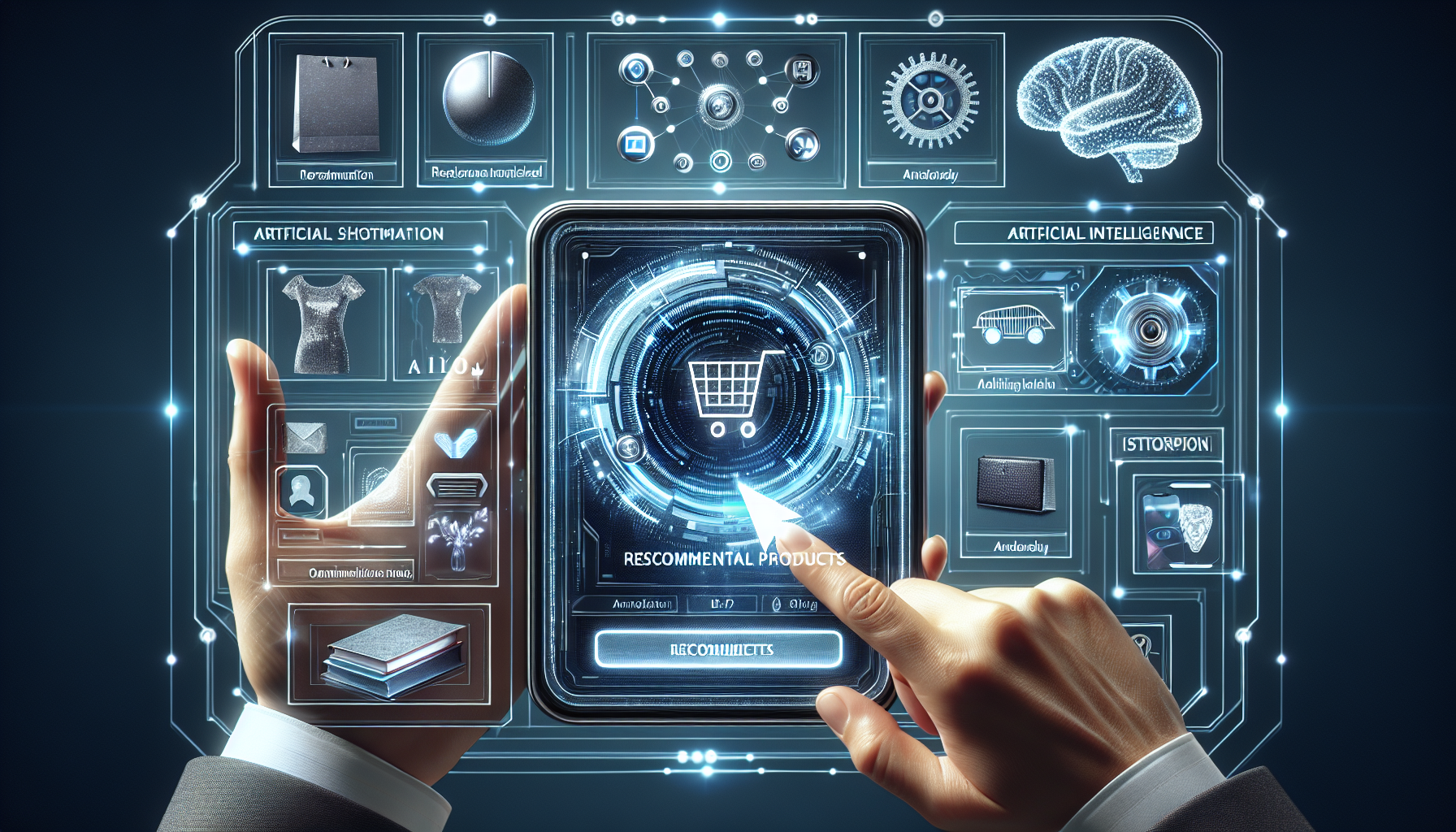

The Future of eCommerce: AI-Powered Personalization Strategies
Understanding AI in eCommerce
Artificial Intelligence (AI) has become a cornerstone technology in transforming the eCommerce landscape. With algorithms designed to analyze data, AI provides solutions that enhance user experience through personalization. As consumers become increasingly demanding in how they interact with brands, the push for personalized shopping experiences has never been greater. Leveraging AI enables businesses to anticipate customer needs and preferences, tailoring their offerings in real-time.
Predictive Analytics for Customer Insights
One of the key components of AI in eCommerce is predictive analytics. By utilizing machine learning algorithms, eCommerce platforms can sift through large volumes of consumer data to identify patterns and predict future behaviors. For instance, tools like Google Analytics or Adobe Sensei help brands analyze purchase history, browsing habits, and demographic information, forecasting what products a customer is likely to buy next. Businesses can thus create targeted marketing campaigns that resonate with individual customer profiles, significantly increasing the likelihood of conversion.
Dynamic Pricing Strategies
Dynamic pricing represents another area where AI’s role in eCommerce is pivotal. AI algorithms can adjust product prices in real-time based on demand, competitor pricing, and customer behavior. For example, an eCommerce website might lower the price of a product if similar items are more competitively priced elsewhere, or it might increase prices during peak shopping periods. This not only maximizes revenues but also improves customer satisfaction by giving them a sense of fair pricing based on real-time market analysis.
Hyper-Personalized Recommendations
AI’s capability to provide hyper-personalized product recommendations is transforming how consumers discover new products. Utilizing collaborative filtering, content-based filtering, and hybrid approaches, AI can analyze individual preferences and past purchasing behavior to suggest items that are likely to interest the consumer. For example, products recommended on platforms like Amazon are based on previous purchases, items in a cart, and purchase patterns of similar users. The effectiveness of these recommendations not only improves customer satisfaction but also increases average order value.
Chatbots and Virtual Assistants
Customer service is vital in eCommerce, and AI-powered chatbots and virtual assistants are setting new standards for customer engagement. These AI tools can provide real-time assistance, answer queries, and guide customers through the buying process 24/7, significantly enhancing user experience. Brands such as Sephora and H&M have successfully implemented chatbots that personalize interactions based on user data. These bots can suggest products, assist with size and fit questions, and even remind customers of abandoned carts. As chatbots become increasingly sophisticated, they will handle even more complex customer interactions, further enhancing personalized shopping experiences.
AI-Driven Email Marketing
Email marketing has become more effective due to AI’s advanced segmentation capabilities. AI can analyze customer data to deliver personalized content tailored to individual preferences and behaviors. Tools like Mailchimp and Klaviyo harness AI for automated email campaigns, sending the right message at the right time. For example, a customer who frequently purchases running apparel might receive a tailored email showcasing new arrivals in that category, coupled with personalized discounts based on their previous purchases. Such targeted email strategies can drastically increase engagement and conversion rates.
Optimizing Supply Chain Management
AI also plays a crucial role in optimizing supply chain logistics, a core aspect of eCommerce operations. By analyzing data on consumer purchasing patterns, inventory levels, and supplier reliability, AI can forecast demand more accurately. This allows businesses to maintain optimal stock levels, reduce excess inventory, and minimize stockouts. For instance, when a particular product is trending, AI systems can help eCommerce platforms swiftly adjust procurement strategies to meet increased demand, ultimately enhancing customer satisfaction and retention.
Enhancing User Experience with Visual Search
Visual search technology, powered by AI, is revolutionizing product discovery. Instead of relying solely on text queries, customers can upload images or use their smartphone cameras to search for products. AI recognizes items in the images and provides matches from an eCommerce site’s inventory, making the shopping experience seamless and intuitive. Companies like ASOS and Pinterest have successfully implemented visual search tools, which enhance user experience by allowing customers to find exactly what they’re looking for without the need for specific product descriptors.
Augmented Reality in Retail
Augmented Reality (AR), combined with AI, offers innovative ways to bridge the gap between online and offline shopping. Brands are increasingly utilizing AR to create interactive and personalized experiences. For example, furniture retailers like IKEA have employed AR apps that allow customers to visualize how a piece of furniture would look in their homes. By integrating personalized suggestions based on previous purchases or preferences, brands can enhance consumer trust and increase conversion rates by allowing customers to experience a product virtually before making a purchase.
Data Privacy Considerations
As AI-powered personalization becomes more pervasive, data privacy concerns emerge as a critical issue. Brands must navigate regulations such as GDPR and CCPA while leveraging customer data. Transparency about data collection and its usage is essential in building trust. Implementing robust data protection measures and offering customers options regarding their data can enhance relationships and increase loyalty. An ethical approach to data privacy will become a crucial differentiator in the competitive eCommerce landscape.
Future Trends in AI-Powered Personalization
Looking ahead, the future of AI in eCommerce will involve even more sophisticated personalization techniques. Voice search, driven by AI, is anticipated to reshape the browsing experience, allowing for hands-free shopping and enhanced customer engagement. Furthermore, AI is expected to advance in natural language processing, enabling more effective interactions through voice and text. As technology continues to evolve, the convergence of AI and eCommerce will provide ever-more innovative strategies, ultimately making personalized shopping experiences not just a preference but an expectation.
Incorporating innovative technologies to improve customer interactions will define the success of eCommerce brands in the future. By utilizing AI-powered personalization strategies, businesses will not only enhance customer satisfaction but also drive revenue growth. As the landscape of online shopping continues to evolve, staying ahead of AI trends will be essential for brands seeking to thrive in a competitive market.
 English