


Understanding the Skills Gap in AI Adoption
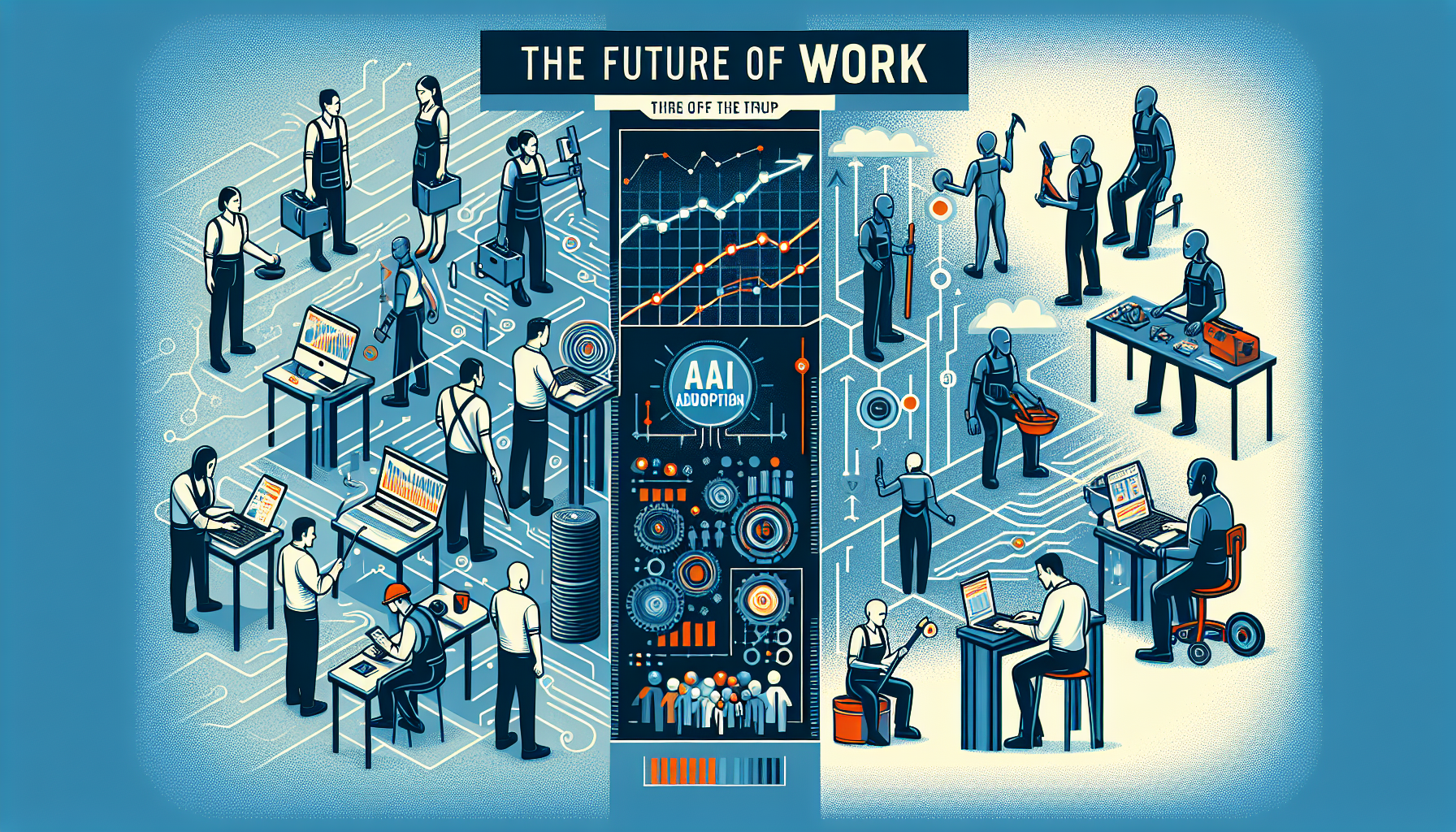
AI adoption is transforming industries, but the skills gap remains a significant barrier. Companies must evaluate their workforce’s capabilities to thrive in this new landscape. To address the skills gap, businesses need a clear strategy that encompasses workforce assessment, training, and continuous learning.
Assessing Current Workforce Skills
1. Skills Inventory
The first step in addressing the skills gap is conducting a thorough skills inventory. This can be achieved through surveys, skill assessments, and performance evaluations. Identifying the current skill levels across teams helps organizations pinpoint specific weaknesses and strengths.
2. Gap Analysis
Once the inventory is complete, a gap analysis should follow. This involves comparing existing skills with those required for AI integration and adoption. This analysis will highlight where employees may need further training or upskilling.
Developing a Comprehensive Training Program
1. Tailor Training to Specific Needs
Training programs should be customized to meet the specific needs identified during the skills inventory and gap analysis. This ensures that employees are provided with relevant training that directly aligns with their roles and the organization’s AI strategies.
2. Partner with Educational Institutions
Collaboration with universities and training organizations can enhance your workforce’s skill levels. These partnerships can facilitate access to AI courses, workshops, and certifications that are in high demand and relevant to the industry.
3. Emphasize Soft Skills
While technical expertise is crucial in AI implementation, soft skills like problem-solving, critical thinking, and creativity are equally important. Companies should not overlook these competencies, as they facilitate collaboration and innovative thinking in AI projects.
Implementing Continuous Learning
1. Foster a Learning Culture
Creating a culture that promotes continuous learning is fundamental to addressing the skills gap. Encourage employees to pursue learning opportunities and reward those who enhance their skills. This could be achieved through recognition programs or small financial incentives.
2. Online Learning Platforms
Employ online learning platforms that offer courses and modules focused on AI skills and other related areas. These platforms provide flexibility and allow employees to learn at their own pace. Popular options include Coursera,edX, and Udacity.
3. Host Internal Workshops
Organizing regular workshops led by experts can help reinforce learning among employees. These workshops should focus not only on technical skills but also on the ethical implications of AI and how to approach AI projects responsibly.
Encouraging Innovation and Collaboration
1. Cross-Functional Teams
Forming cross-functional teams can foster knowledge sharing and collaborative problem-solving. Employees with diverse skills and perspectives can collaborate on AI projects, helping to bridge the skills gap and enhance creativity.
2. Hackathons and Innovation Days
Hosting hackathons or innovation days can stimulate new ideas and encourage hands-on experience with AI tools and frameworks. These events provide a platform for employees to explore AI applications in a fun and competitive environment.
Measuring Skill Development and ROI
1. Set Clear Metrics
To ensure the effectiveness of training programs, businesses should establish clear metrics for skill development. These could include employee performance, project success rates, and ROI from AI initiatives. Regularly reviewing these metrics can provide insights into where further investment is needed.
2. Feedback Mechanisms
Implement feedback mechanisms to gauge the effectiveness of training programs. Surveys and one-on-one feedback sessions can help identify areas for improvement and adjust learning strategies accordingly.
Aligning AI Strategy with Workforce Development
1. Strategic Alignment
AI initiatives should align closely with overall business strategies and workforce development efforts. This ensures that the skills being developed are relevant and that AI projects contribute to achieving organizational goals.
2. Involve Leadership
Leadership involvement is crucial in addressing the skills gap. Executives should actively participate in training initiatives and promote skills development as a priority within the organization. Their support can drive engagement and encourage a learning mindset across the workforce.
Conclusion: Future-Proofing Your Workforce
To effectively prepare for AI adoption, organizations must take a proactive approach to address the skills gap. By assessing current capabilities, developing tailored training programs, fostering a culture of continuous learning, encouraging innovation, and measuring success, companies can help their workforce thrive in an AI-driven environment. Future-proofing the workforce will not only enhance productivity but also ensure that organizations remain competitive in an increasingly technological landscape.
 English