

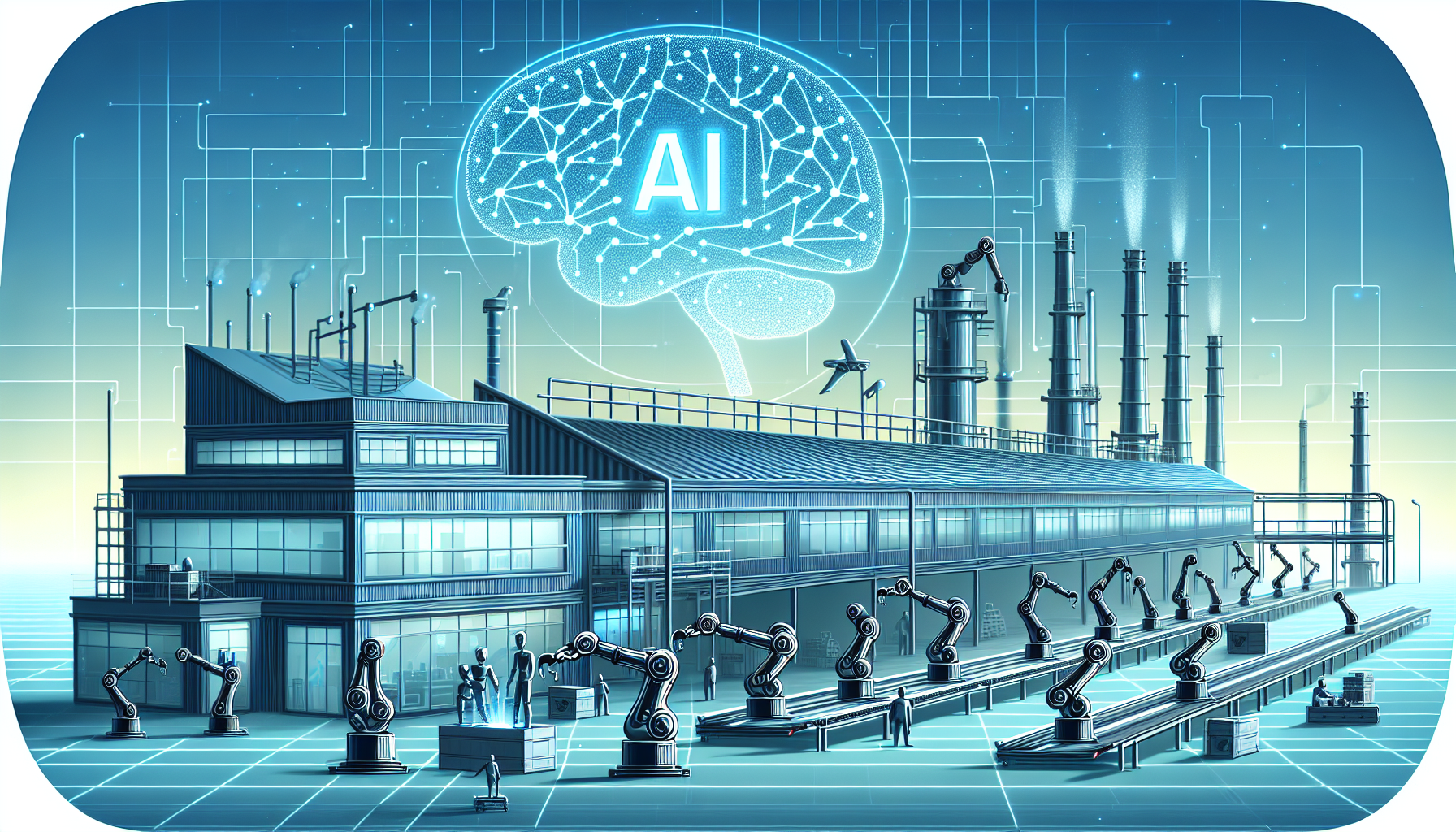

Future-Proofing Your Business: Strategies for Integrating Automation and AI
1. Understanding Automation and AI
Automation refers to the use of technology to perform tasks without human intervention, while artificial intelligence (AI) simulates human intelligence to perform complex tasks. Together, they enhance productivity, efficiency, and accuracy. Businesses that adopt these technologies can streamline operations, reduce operational costs, and improve customer satisfaction.
2. Identifying Processes for Automation
To integrate automation successfully, businesses should evaluate their current operations and identify repetitive tasks that can be streamlined. Common candidates include data entry, invoicing, inventory management, customer responses, and payroll functions. By pinpointing these processes, organizations can begin to build a framework for automation that will have lasting impacts.
3. Setting Clear Objectives
Before implementing automation and AI, businesses need to establish clearly defined goals. Whether it’s reducing costs, increasing speed, enhancing accuracy, or improving customer response, having targeted objectives ensures that the integration of these technologies aligns with overall business strategies. Use the SMART criteria (Specific, Measurable, Achievable, Relevant, Time-bound) to define these goals effectively.
4. Embracing AI for Enhanced Decision-Making
AI technologies, especially machine learning, can analyze large datasets to uncover patterns and generate insights. Businesses can leverage AI tools to improve their decision-making processes. Predictive analytics, for example, can anticipate market trends, which aids in product development, marketing strategies, and supply chain management. Using AI for data-driven decision-making minimizes risks and maximizes opportunities.
5. Selecting the Right Tools and Platforms
The market is teeming with automation and AI tools, ranging from CRM software to marketing automation platforms. It’s crucial to choose solutions that fit the specific needs of your business. Consider scalability, ease of integration with existing systems, and user-friendliness. Regularly evaluating the tools ensures businesses stay up-to-date with technological advancements and can pivot as needed.
6. Investing in Employee Training
Automation and AI can lead to hesitations among employees due to fears of job loss or increased complexity. Therefore, investing in comprehensive training programs is essential. Educate employees on how these tools work, their benefits, and their integration into daily tasks. Upskilling your workforce not only enhances productivity but also fosters an innovative workplace culture.
7. Ensuring Data Security
As businesses integrate automation and AI, the importance of robust data security becomes paramount. The increased use of technology raises the risk of cyber-attacks. Implement stringent cybersecurity measures, such as encryption protocols, regular software updates, and employee training on data security. Establishing a strong defense against potential threats protects not only business assets but also customer trust.
8. Fostering a Culture of Innovation
Encouraging a culture of innovation within the workplace makes adaptation to AI and automation smoother. Cultivating an environment where employees feel comfortable proposing new ideas can lead to unique solutions tailored to specific operational challenges. Innovation labs or dedicated brainstorming sessions can empower employees to think creatively about integrating automation and AI into their workflows.
9. Phased Implementation
Rather than a complete overhaul in one go, a phased implementation approach minimizes disruption. Start with pilot programs to test automation and AI applications in less critical areas. This allows organizations to identify potential issues and iron them out before full-scale adoption. Gradually expanding successful initiatives makes the transition smoother.
10. Measuring Performance and Adjusting Strategies
After implementing automation and AI solutions, organizations should constantly measure their performance against the goals set earlier. Use KPIs (Key Performance Indicators) to evaluate the impact on productivity, efficiency, and profitability. Regular assessments allow for timely adjustments, ensuring the technology continually meets business needs.
11. Integrating Customer Service Automation
Incorporating AI chatbots and automated response systems can streamline customer interactions and improve satisfaction. These tools handle frequently asked questions, schedule appointments, and collect customer feedback 24/7, ensuring that human agents can focus on more complex issues. A seamless customer service experience enhances loyalty and competitive edge.
12. Leveraging Cloud Computing
Cloud technology plays a significant role in facilitating the integration of automation and AI. By using cloud-based solutions, businesses can access powerful AI tools, store vast amounts of data securely, and collaborate more effectively. Scalability and flexibility are also intrinsic benefits of cloud computing, enabling companies to adapt rapidly to market changes.
13. Analyzing Competitor Strategies
Monitoring competitors’ use of automation and AI can provide insights into industry standards and best practices. Benchmarking against competitors helps identify gaps in your strategy and inspires new ideas that can enhance your competitive position. Adopt a proactive approach by continually studying industry trends and adjusting accordingly.
14. Prioritizing Customer Experience
AI is pivotal in customizing customer interactions. By analyzing user data, businesses can segment their audience and tailor marketing efforts to specific interests and needs. Personalized recommendations improve customer engagement underlining that technology can augment human creativity instead of replacing it.
15. Collaborating with AI Innovators
Partnering with startups and tech firms specializing in AI can provide valuable expertise and innovative solutions. Such collaborations can lead to faster implementation and access to cutting-edge technologies. Develop partnerships that can help in co-creating offers that elevate your business model while ensuring competitive viability.
16. Aligning AI with Business Ethics
As businesses harness the power of AI and automation, they must remain vigilant about ethical considerations. Using AI responsibly means adhering to privacy regulations, transparency in data usage, and ensuring fairness in decision-making processes. Establishing an ethical framework around AI usage reinforces customer trust and brand integrity.
17. Testing and Feedback Loops
Incorporating regular testing and feedback loops into the automation and AI integration process is key. Soliciting input from users not only uncovers pain points but also provides insights on optimizing the experience. Adapting based on feedback fosters continuous improvement and ensures that the systems implemented serve their intended purpose effectively.
18. Preparing for Future Innovations
The technological landscape evolves rapidly, and businesses must prepare for upcoming innovations. Keeping an eye on trends and emerging technologies like the Internet of Things (IoT) not only enhances current systems but also opens doors for new avenues of automation and AI applications. Staying agile and willing to adapt ensures continued success amid change.
19. Emphasizing Sustainability
As businesses adopt automation and AI, intertwining sustainability into operations can enhance brand loyalty and attract socially-conscious consumers. Automation can lead to energy reduction in logistics and resource usage. Consider making sustainability a core pillar of your automation strategy, leveraging technologies that promote eco-friendly practices.
20. Engaging in Continuous Improvement
To truly future-proof a business, an attitude of continuous improvement must prevail throughout the organization. Regularly revisit automation and AI strategies, adjust as technology advances, and commit to lifelong learning. Engaging in innovation contests, hackathons, and external workshops can further encourage creative thinking and ongoing adaptation in leveraging AI and automation.
By strategically integrating automation and AI, businesses will not only optimize operations today but also position themselves to navigate the uncertainties of tomorrow’s market dynamics.
 English