

Understanding Resistance to AI and Automation
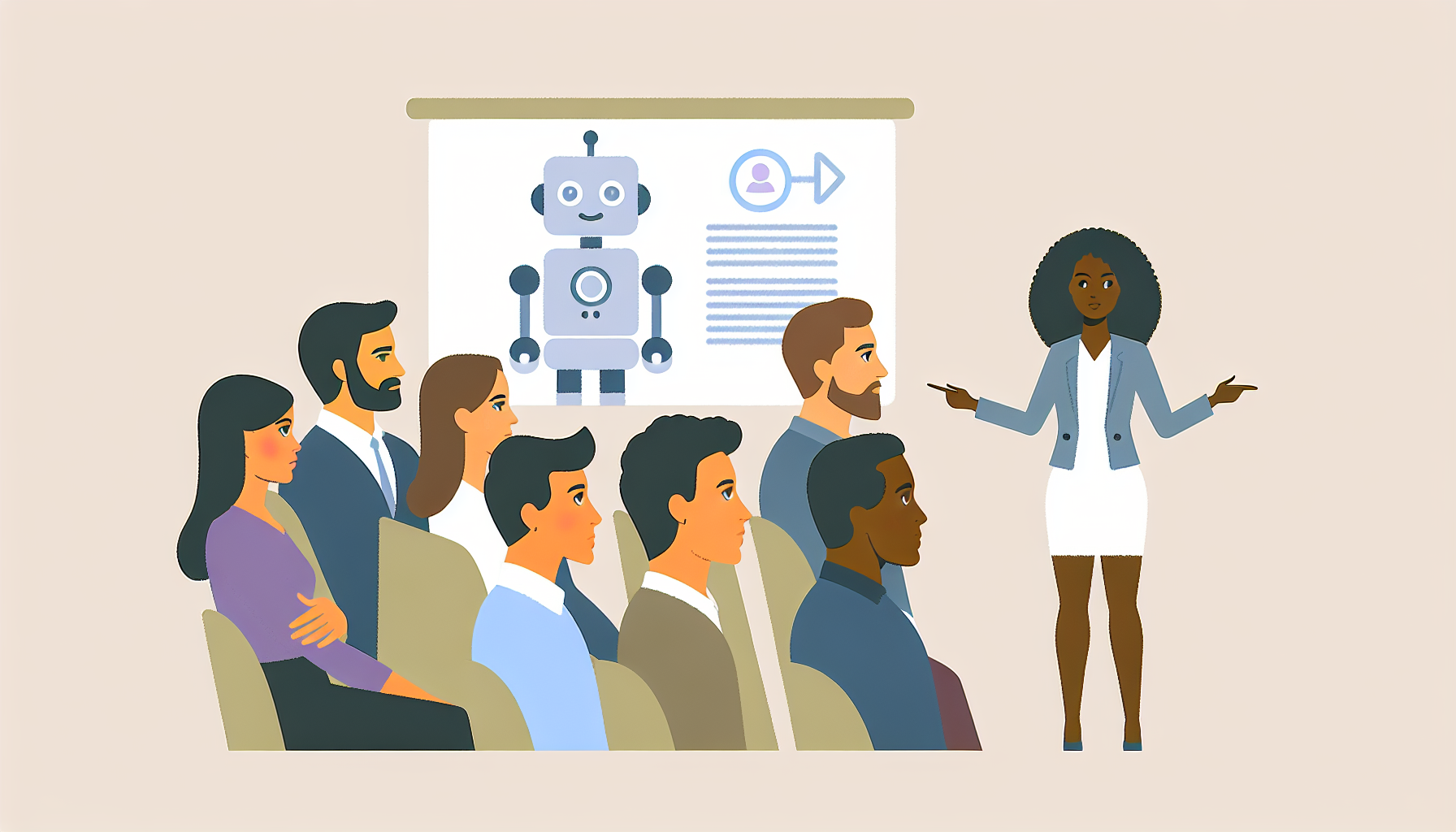
Organizations face significant resistance when implementing AI and automation technologies. Employees often perceive these advancements as a threat to their job security or as difficult changes to adapt to. Understanding the roots of this resistance is crucial. Common concerns include fear of job displacement, lack of technical skills, and discomfort with rapid technological change. Addressing these concerns is the first step in successfully educating employees about AI and automation.
The Importance of Education in the Workplace
Educating employees about AI and automation creates a culture of innovation. Knowledge reduces fear of the unknown and empowers employees to actively engage with technology rather than resist it. An informed workforce is more likely to embrace change and contribute to a company’s competitive edge.
Creating a Comprehensive AI Training Program
A well-structured training program can alleviate fears surrounding AI and automation:
-
Foundational Understanding: Start with basics about AI and automation. Employees should understand what these technologies are, how they function, and their benefits. This foundational knowledge can be delivered through introductory workshops or e-learning modules.
-
Industry-Specific Applications: Demonstrate real-world applications relevant to your industry. Showcasing case studies where AI has successfully improved efficiency and productivity can intrigue employees and highlight the tangible benefits.
-
Hands-On Experience: Practical training sessions allow employees to interact with AI tools directly. Workshops where employees can test automation software encourage hands-on learning and demystify the technology.
-
Focus on Upskilling: Emphasize that AI and automation are not substitutes for human roles but are tools to enhance performance and creativity. Training programs should include upskilling opportunities to build competencies in working alongside AI systems.
-
Continuous Learning Approach: Foster a culture of ongoing learning. Technology is ever-evolving, and continuous training ensures that employees remain proficient in the latest tools and methods.
Addressing Common Concerns
It’s vital to address specific concerns through targeted strategies:
-
Job Security: Conduct open forums where management can directly address job security fears. Communicating that AI will augment roles rather than eliminate them can ease apprehensions.
-
Skill Gap: Provide resources for skill development, such as online courses or mentorship programs. Demonstrating a commitment to employee growth can enhance morale and reduce resistance.
-
Change Management: Implement change management practices. Involve employees early in the decision-making process concerning new technologies, allowing them to express concerns and suggestions.
Engaging Employees Through Communication
Effective communication is foundation in overcoming resistance. Transparency about the reasons for implementing AI and automation can foster trust:
-
Regular Updates: Keep employees informed through newsletters or meetings about upcoming changes, timelines, and expected outcomes related to AI implementations.
-
Feedback Mechanisms: Encourage open feedback channels. Utilize surveys, focus groups, or one-on-one discussions to gauge employee feelings about the transition to AI technologies.
-
Highlighting Success Stories: Share testimonials and success stories from employees who have successfully integrated AI into their work processes. Positive reinforcement can inspire others.
-
Incorporating Employee Input: Involve employees in the development of training materials. Their insights can ensure the training is relevant and engaging, increasing the likelihood of acceptance.
Cultivating a Positive Attitude Towards AI
Encouraging a positive attitude toward AI can influence acceptance:
-
Creating AI Champions: Designate a few enthusiastic employees as AI champions or advocates. They can lead discussions, mentor peers, and encourage adoption by sharing their positive experiences.
-
Gamification of Learning: Gamifying training through rewards for participation and progress can make learning about AI technologies more enjoyable and engaging for employees.
-
Promoting Innovation: Foster a work environment that encourages innovation and experimentation. Recognizing and rewarding initiatives that leverage AI tools can stimulate broader acceptance.
Measuring the Impact of Educational Initiatives
Assessing the effectiveness of educational programs is critical for long-term success:
-
Employee Surveys: Conduct surveys before and after training sessions to measure shifts in employee understanding, attitudes, and confidence regarding AI technologies.
-
Performance Metrics: Analyze productivity and performance metrics to see if there is an improvement correlating with increased employee understanding and use of AI.
-
Feedback on Training: Gather specific feedback on the training initiatives themselves. Understand what worked and what adjustments are necessary for future programs.
-
Usage Statistics: Track engagement with AI tools post-training to assess how successfully employees have adopted the technologies.
The Role of Leadership in Education
Leadership plays a crucial role in guiding employees through their educational journey:
-
Leading by Example: Leaders should demonstrate their openness to AI and automation by using these tools in their workflow. Their visible usage can set an organizational standard.
-
Providing Resources: Leadership must allocate resources for continuous education, ensuring that training and learning opportunities remain available beyond the initial rollout.
-
Vision for the Future: Leaders must communicate a clear vision for how AI will transform the organization. Sharing goals can inspire employees to align their understanding and embrace the transition.
Building a Forward-Thinking Culture
Creating a culture that not only accepts but thrives on technological advancements involves:
-
Encouraging Curiosity: Support an environment where employees feel comfortable asking questions and exploring AI technologies without fear of failure.
-
Collaboration with Educational Institutions: Partnering with educational institutions can bring in fresh insights and training resources. Universities and tech schools may provide workshops, guest lecturers, or certification programs that can benefit your employees.
-
Promoting Cross-Functional Teams: Form cross-functional teams to explore innovative uses of AI within the organization. Such collaborative efforts can lead to more holistic implementation strategies and foster camaraderie among departments.
Conclusion: Encouraging Evolution
By investing time and resources into educating employees about AI and automation, organizations can significantly reduce resistance. A well-informed workforce not only contributes to smoother transitions but can also drive innovation and efficiency in the long run. Promoting an environment of empowerment, curiosity, and ongoing development ensures that both employees and organizations adapt successfully to the evolving landscape of work.
 English