

Understanding Legacy Systems
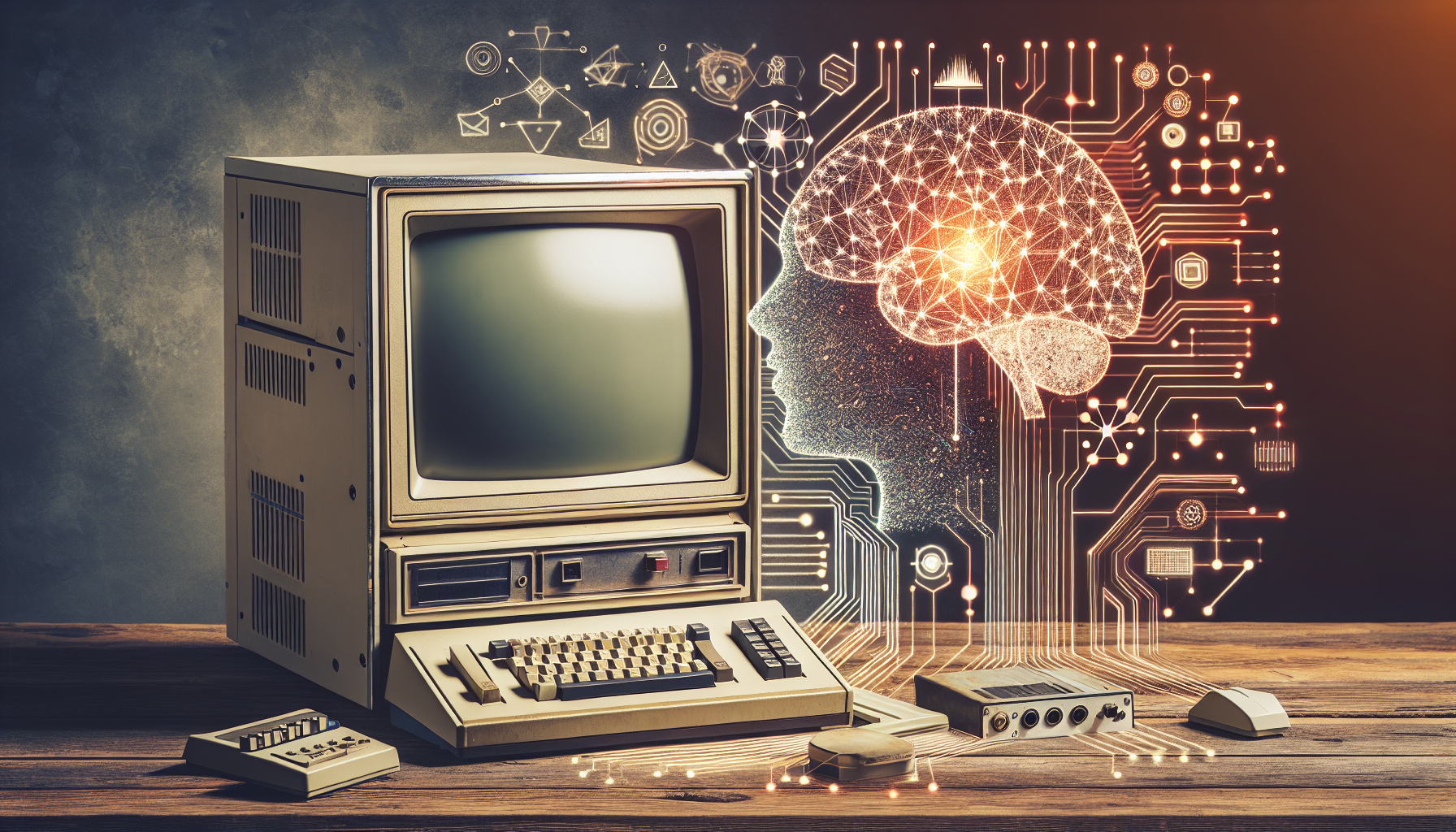
Legacy systems refer to outdated computing software and hardware that continue to be used by organizations despite the availability of newer solutions. These systems often carry critical data and processes that companies rely on for daily operations. However, their age often leads to several challenges when integrating new technologies, particularly Artificial Intelligence (AI).
The Complexity of Legacy Technology
The intricacies of legacy systems can significantly hinder AI integration. Many legacy systems are built using outdated programming languages and software architectures, which may lack documentation or compatibility with modern technologies. Integration requires a deep understanding of these aging frameworks, making it time-consuming and challenging for IT teams. The complexity increases when multiple legacy systems must interconnect seamlessly, causing further delays and complications.
Data Quality Issues
AI systems thrive on data; however, legacy systems often contain data that is incomplete, outdated, or of poor quality. Data might be siloed within various departments, leading to inconsistencies. AI algorithms require clean, robust datasets to generate accurate predictions and insights. Organizations must often undertake extensive data cleansing, mapping, and transformation processes before they can leverage AI effectively.
Resistance to Change
Cultural resistance within organizations can pose a significant barrier to integrating AI into legacy systems. Employees accustomed to existing workflows and systems may be apprehensive about adopting new technologies. This resistance can stem from fear of job displacement, lack of understanding about AI capabilities, or simply a reluctance to learn new skills. Management must cultivate a culture that is open to change, emphasizing training and education to smooth the transition.
Regulatory Compliance
Organizations in regulated industries, such as finance or healthcare, face the added challenge of ensuring that AI integrations comply with industry regulations. Legacy systems often have built-in compliance features that newer AI technologies may not directly support. Integrating AI without compromising regulatory requirements necessitates extensive risk assessments and may involve updating older systems to maintain compliance, leading to high costs and complexity.
Scalability Challenges
Legacy systems often lack the scalability required for AI applications. New AI technologies typically need substantial processing power and storage capabilities, which older systems may not provide. Scaling up legacy infrastructure can require significant investments in hardware and software, deterring organizations from pursuing AI integration altogether. The disparity in capabilities between old systems and modern AI applications can create bottlenecks.
Skill Shortages
Integrating AI into legacy systems not only requires knowledge of AI technologies but also an understanding of the underlying legacy infrastructure. Unfortunately, as technology evolves, the pool of skilled workers familiar with older systems is dwindling. Many IT professionals specialize in modern software ecosystems, leaving a skills gap for organizations seeking to bridge the gap between the old and the new. This shortage can impede the integration process and delay project timelines.
Cost Considerations
The integration of AI into legacy systems can incur high costs. Organizations may need to invest in new hardware, software, or cloud-based solutions that can seamlessly cooperate with existing systems. Additionally, the process often requires hiring external consultants or specialized personnel, adding to the financial burden. Organizations must carefully weigh the potential return on investment (ROI) of AI initiatives against the significant upfront costs.
Technological Incompatibility
Many legacy systems are incompatible with modern APIs and microservices architectures that AI applications often require. This incompatibility can limit the ability to extract data from legacy systems or significantly slow down the integration process. Organizations may need to consider developing middleware solutions to bridge the technological gap, which can further complicate and increase the cost of the integration process.
Security Concerns
Integrating AI technologies into legacy systems can introduce a range of cybersecurity vulnerabilities. Older systems may not have been designed with modern security standards in mind, creating potential points of exploitation when combined with AI. Ensuring robust security measures are in place becomes crucial, as AI solutions can also inadvertently introduce new vulnerabilities. Ongoing security assessments and strategies will be essential to mitigate risks during and after integration.
Commitment to Continuous Learning
Implementing AI within legacy environments demands a commitment to continuous learning and adaptation. Organizations should embrace an agile mindset, fostering an environment where employees are encouraged to learn about both AI and legacy technologies. Instituting regular training sessions, workshops, and collaborative opportunities can empower teams to navigate the challenges associated with integration effectively.
Strategic Planning and Phased Implementation
To overcome these challenges, organizations should adopt a strategic planning approach for AI integration. A phased implementation that prioritizes specific use cases and gradually scales will help manage risks and costs. By selecting pilot projects that offer quick wins, organizations can demonstrate the value of AI, garnering support from stakeholders and minimizing resistance.
Stakeholder Engagement
Engaging stakeholders from various departments early in the process is essential for successful AI integration. Involvement helps ensure that the needs and concerns of all parties are considered. Cross-functional teams can provide insights into how AI can be applied meaningfully without disrupting existing workflows. A transparent approach encourages collaboration and fosters a sense of ownership among employees.
Emphasizing User Experience
As AI systems penetrate legacy environments, enhancing user experience becomes critical. AI must seamlessly integrate with existing tools and workflows to deliver real value to end-users. Involving employees in the design and testing phases of AI systems can lead to improvements in usability and ultimately increase adoption rates. Focusing on user-centered design can position AI as a valuable ally rather than an intimidating technological shift.
Conclusion
Integrating AI into legacy systems is fraught with challenges that require deliberate planning, resources, and cultural agility within organizations. However, recognizing these challenges offers a roadmap for organizations looking to modernize their technology infrastructure. Organizations that can successfully navigate these complexities will position themselves at the forefront of innovation and be better equipped to leverage AI’s transformative potential. With strategic foresight, consistent employee engagement, and a willingness to adapt, the integration challenges can transform into opportunities for growth and enhancement.
 English