

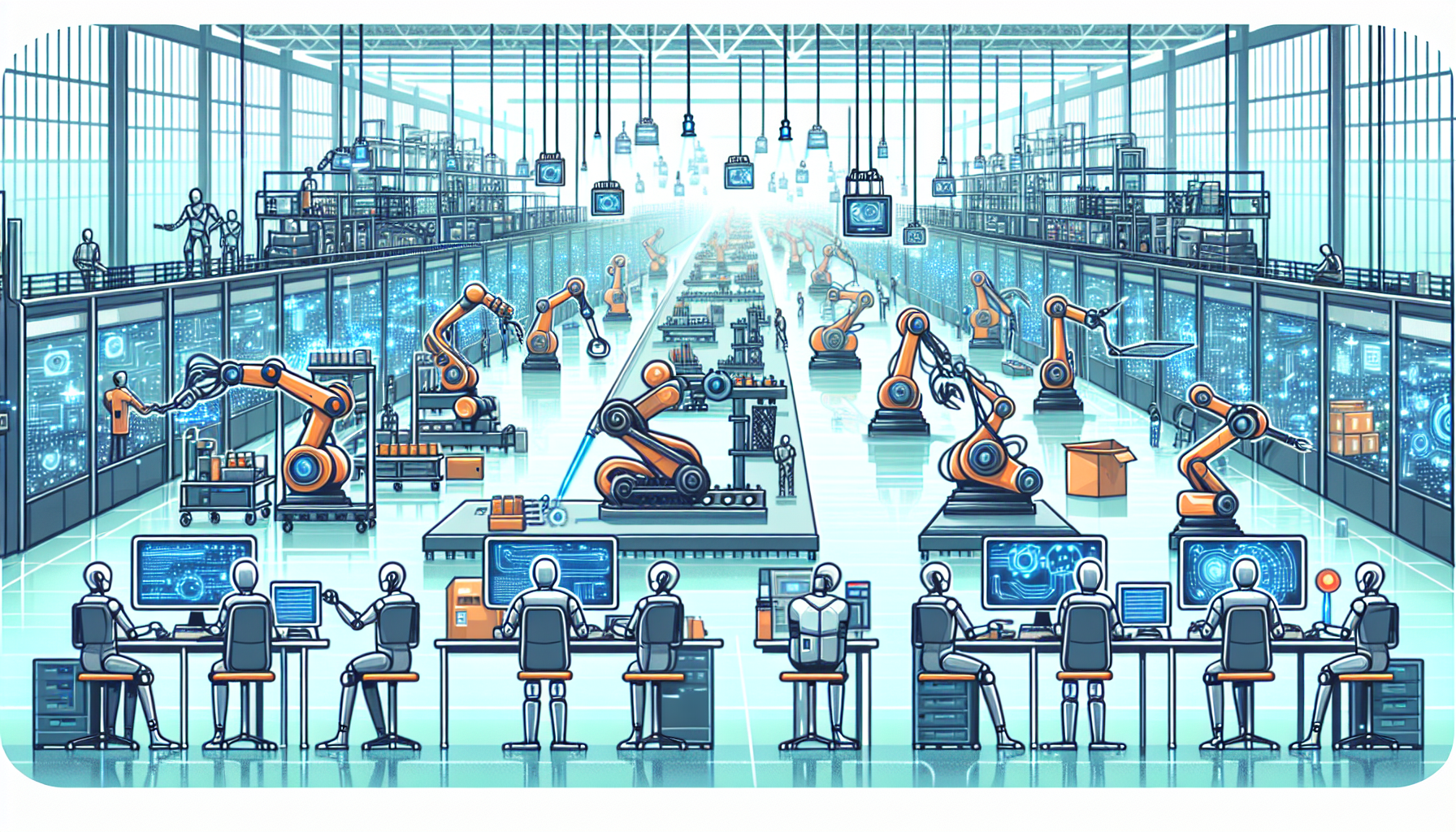

The Future of Work: Automating Repetitive Tasks to Save Time and Money
Understanding Automation in the Workplace
Automation refers to the use of technology to perform tasks with minimal human intervention. As workplaces continue to evolve, organizations are beginning to realize the immense potential of automation to streamline processes, reduce costs, and enhance overall productivity. With advancements in artificial intelligence (AI), machine learning, and robotic process automation (RPA), the future of work is poised for a significant transformation.
Benefits of Automating Repetitive Tasks
Increased Efficiency
Repetitive tasks, such as data entry, report generation, and invoice processing, often consume considerable time and resources. Automation minimizes the time spent on these tasks. For example, RPA solutions can handle data extraction from multiple sources, allowing employees to focus on strategic activities that require human intuition and creativity.
Cost Reduction
Implementing automation technologies can lead to substantial cost savings. According to a study by the McKinsey Global Institute, companies adopting automation could save up to 30% on operational costs. By reducing the labor required for mundane tasks, companies can allocate resources more effectively, directing funds toward innovation and growth.
Enhanced Accuracy
Human error is inevitable, particularly in monotonous tasks. Automation reduces the likelihood of mistakes. Automated systems, powered by AI algorithms, can process data with high precision, leading to more reliable outputs. For instance, automated invoicing systems streamline transactions, ensuring that billing processes are accurate and timely, thereby improving cash flow.
Types of Repetitive Tasks Suitable for Automation
Data Entry and Management
Data entry is often one of the most labor-intensive tasks in organizations. Automation tools, such as AI-driven data management systems, can efficiently capture and organize data from various inputs, mitigating the risks of errors associated with manual entry while significantly expediting workflows.
Customer Support and Chatbots
Many businesses have integrated AI chatbots into their customer service processes. These bots can handle common inquiries, providing immediate assistance to customers while freeing human agents to tackle more complex issues. This not only improves customer satisfaction but also reduces operational costs associated with support staffing.
Inventory Management
Managing inventory is essential, yet it can be resource-heavy. Automated inventory management systems can track stock levels, manage orders, and provide analytics to predict future demand. This leads to better inventory control and reduced carrying costs, ultimately increasing a business’s profitability.
Scheduling and Appointment Setting
Scheduling meetings and appointments can be a time-consuming process, often hampered by back-and-forth emails. Automation tools such as Calendly and Doodle allow users to find optimal meeting times without the hassle of manual coordination, enhancing productivity and time management.
Implementing Automation: Best Practices
Evaluate Needs and Objectives
Before implementing automation solutions, businesses must conduct a thorough analysis of their current processes to identify areas ripe for automation. Establishing clear goals—whether reducing time spent on manual tasks, increasing accuracy, or enhancing customer service—will guide the selection of appropriate tools.
Choose the Right Tools
Not all automation tools are created equal. Selecting software that aligns with organizational needs is crucial. Organizations should research and test various solutions, considering factors such as user-friendliness, integration capabilities, and customer support.
Invest in Training
Automation is only as effective as its users. Investing in training employees to work alongside new technologies is essential. Training programs should focus on enhancing user skill sets, fostering an environment where workers can leverage automation to increase their efficiency.
Monitor and Optimize
Post-implementation, it is vital to monitor the effectiveness of automation tools. Collecting data on task completion rates, error reduction, and time savings can provide insights into whether the implemented solutions are meeting the set objectives. Organizations should be prepared to make adjustments as needed.
Overcoming Challenges in Automation
Resistance to Change
One of the primary challenges organizations face when adopting automation is resistance from employees. Fears about job loss or the complexity of new systems can dampen enthusiasm. Clear communication about the benefits of automation, emphasizing how it will enhance roles rather than eliminate them, can alleviate concerns.
Integration with Existing Systems
Seamless integration of new automation tools with existing systems can be challenging. Organizations should conduct compatibility assessments and potentially invest in middleware solutions that enable communication between disparate systems.
Data Security Concerns
Automating tasks often involves handling sensitive data, particularly in sectors such as finance and healthcare. Robust cybersecurity measures and adherence to privacy regulations are essential to protect against data breaches and maintain client trust.
The Role of Artificial Intelligence in Automation
Artificial intelligence is at the forefront of the automation revolution. Machine learning algorithms allow systems to learn from data patterns, making them increasingly effective at performing tasks traditionally conducted by humans. For example, AI can analyze customer behavior to provide personalized recommendations, automating aspects of marketing and improving user engagement.
The Impact of Automation on Workforce Dynamics
Job Transformation
Rather than eliminating jobs, automation is transforming the nature of work. Roles that traditionally involved tedious tasks are evolving, allowing employees to engage in more strategic, creative, and meaningful work. This shift can lead to improved job satisfaction and retention.
Skill Development
As automation tools become commonplace, the demand for new skill sets is rising. Workers will need training in data analysis, AI management, and digital tools to thrive in a more automated workspace. Upskilling initiatives within organizations can ensure that employees remain valuable assets.
Embracing a Hybrid Workforce
The future of work may see a more hybrid approach, combining human capabilities with automation technologies. This model leverages the strengths of both humans and machines, leading to enhanced productivity, creativity, and innovation.
Conclusion
Automation is reshaping the workplace, offering benefits that cannot be overlooked. By implementing automated solutions for repetitive tasks, organizations can save time and money while empowering their workforce to focus on higher-value work. As technology continues to evolve, adapting to these changes will be critical for future success. Investing in proper tools, training, and a positive mindset towards change will be vital for organizations aiming to thrive in the automated future of work.
 English