

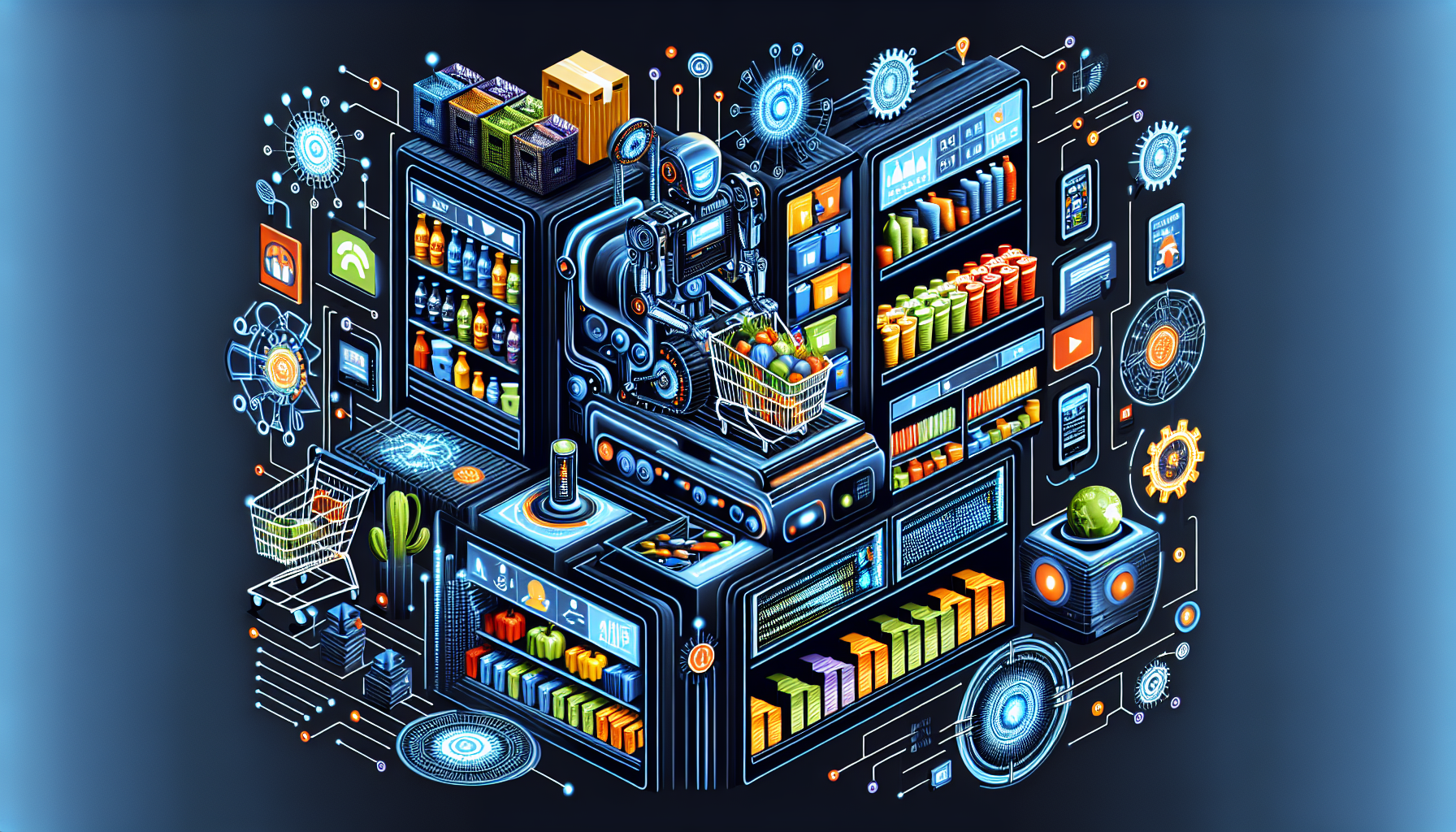

Harnessing AI and Automation in Retail: Transformative Business Operations
The Evolution of Retail Technology
The retail landscape has evolved dramatically over the past few decades, driven primarily by technological advancements. The surge in online shopping, consumer expectations for personalization, and the need for efficient supply chain management has led many retailers to explore AI and automation. Combining these technologies helps improve operational efficiencies, enhance customer experiences, and drive revenue growth.
Understanding AI and Automation in Retail
Artificial Intelligence (AI) refers to the simulation of human intelligence in machines designed to think and learn like humans. This includes processes such as natural language processing, machine learning, and data analytics. Automation, on the other hand, involves technology that performs tasks with little or no human intervention. When applied to retail, these technologies can optimize various components of the business, from inventory management to customer service.
Enhancing Inventory Management
Inventory management is a critical area where AI and automation can make a significant impact. Retailers can deploy AI-driven predictive analytics to forecast demand accurately. By analyzing past sales data, market trends, and consumer behavior, retailers can maintain optimal stock levels, reducing excess inventory and minimizing stockouts.
Automation tools can streamline inventory tracking through RFID (Radio-Frequency Identification) and IoT (Internet of Things) devices. These technologies allow retailers to monitor stock in real-time, automate reordering processes, and manage supply chains more efficiently. By integrating these technologies, retailers not only reduce operational costs but also improve customer satisfaction by ensuring product availability.
Personalized Customer Experiences
Today’s consumers expect tailored shopping experiences. AI-driven insights enable retailers to analyze customer data from various sources, such as browsing history and purchase patterns, to offer personalized recommendations.
Machine learning algorithms can segment customers by behavior and preferences, allowing retailers to craft targeted marketing campaigns. For instance, retailers can use AI-powered chatbots to interact with customers in real-time, answering queries, providing product recommendations, and guiding them through their purchase journey. This level of personalization not only enhances customer engagement but also increases conversion rates.
Streamlining Operations with Process Automation
Retail operations often involve repetitive tasks that can be streamlined through automation. Tasks such as invoicing, payroll, and data entry can be automated using robotic process automation (RPA) tools. By reducing the time spent on these tasks, employees can focus on more strategic functions, leading to improved productivity and job satisfaction.
Automated systems can also help manage logistics by coordinating shipments, tracking deliveries, and managing warehouse operations. Sophisticated algorithms can optimize routes, forecast delivery times, and ensure efficient fleet management, ultimately reducing costs and improving service quality.
Enhancing Customer Insights through Data Analysis
Data analytics powered by AI goes beyond basic reporting. Advanced analytics models can uncover hidden patterns in consumer behavior, helping retailers make informed business decisions. By utilizing AI to process vast amounts of data, retailers can gain insights into customer preferences, seasonal trends, and emerging market opportunities.
Tools such as predictive analytics can support decision-making by forecasting future buying habits based on historical data. Retailers can leverage this information for everything from product assortment planning to pricing strategies, thereby enhancing their competitive edge.
Optimizing E-commerce Platforms
The e-commerce sector is a keystone of modern retail, and AI plays a pivotal role in its optimization. AI tools can enhance search functionalities on retail websites, enabling customers to find products with ease. Natural language processing enables voice search capabilities, allowing customers to interact with e-commerce platforms more intuitively.
Moreover, AI can assist in managing online reviews and customer feedback. Sentiment analysis tools can analyze customer feedback in real time, offering businesses insights into their product performance and customer satisfaction levels. Retailers can then take proactive measures to address negative feedback or improve product offerings.
Creating Smart Supply Chains
AI and automation also transform supply chain management, creating smarter and more responsive systems. By using AI algorithms, retailers can analyze data from suppliers, logistics providers, and market conditions to make better sourcing decisions.
Automated inventory replenishment systems ensure that stock levels are maintained according to real-time sales data, preventing overstock and stockouts. This not only optimizes inventory levels across the supply chain but also reduces lead times and enhances overall efficiency.
Leveraging Customer Relationship Management (CRM)
AI-powered CRM systems can provide retailers with unprecedented insights into customer interactions. These systems apply AI algorithms to analyze user interactions across different channels, enabling businesses to understand customer journeys fully.
Retailers can deploy targeted marketing strategies based on data-driven insights, leading to improved customer retention and loyalty. Moreover, AI in CRM can automate follow-ups and personalized communication, enhancing customer experience and facilitating timely responses to customer inquiries.
Preventing Fraud and Ensuring Security
The rise of digital transactions in retail also brings a heightened risk of fraud. AI systems are adept at detecting suspicious activities by analyzing transaction patterns and flagging anomalies in real time. By implementing machine learning algorithms, retailers can improve their fraud detection capabilities, reducing losses and preventing cybersecurity threats.
Automated systems can manage payment processing and authentication, ensuring secure transactions. This level of security not only protects retailers from financial loss but also boosts consumer confidence in online purchases.
Training and Workforce Management
As the retail industry embraces AI and automation, workforce management becomes critical. AI can aid in employee scheduling, ensuring optimal staffing levels based on predicted customer traffic. Automated systems can analyze previous sales data to forecast busy periods, enabling managers to allocate staff effectively.
Moreover, AI-driven training platforms can upskill employees by offering personalized training modules based on individual learning curves. By investing in employee development, retailers can foster a skilled workforce prepared to adapt to evolving industry demands.
Conclusion (Not Applicable)
By embedding AI and automation into their core operations, retailers are setting the stage for enhanced efficiencies, improved customer experiences, and sustainable growth. As retailers navigate the complexities of these technologies, the focus should remain on leveraging data, enhancing personalization, and ensuring operational excellence. The integration of AI and automation is not just a trend—it’s a fundamental shift shaping the future of retail.
 English