


Understanding AI-Powered Personalization in eCommerce
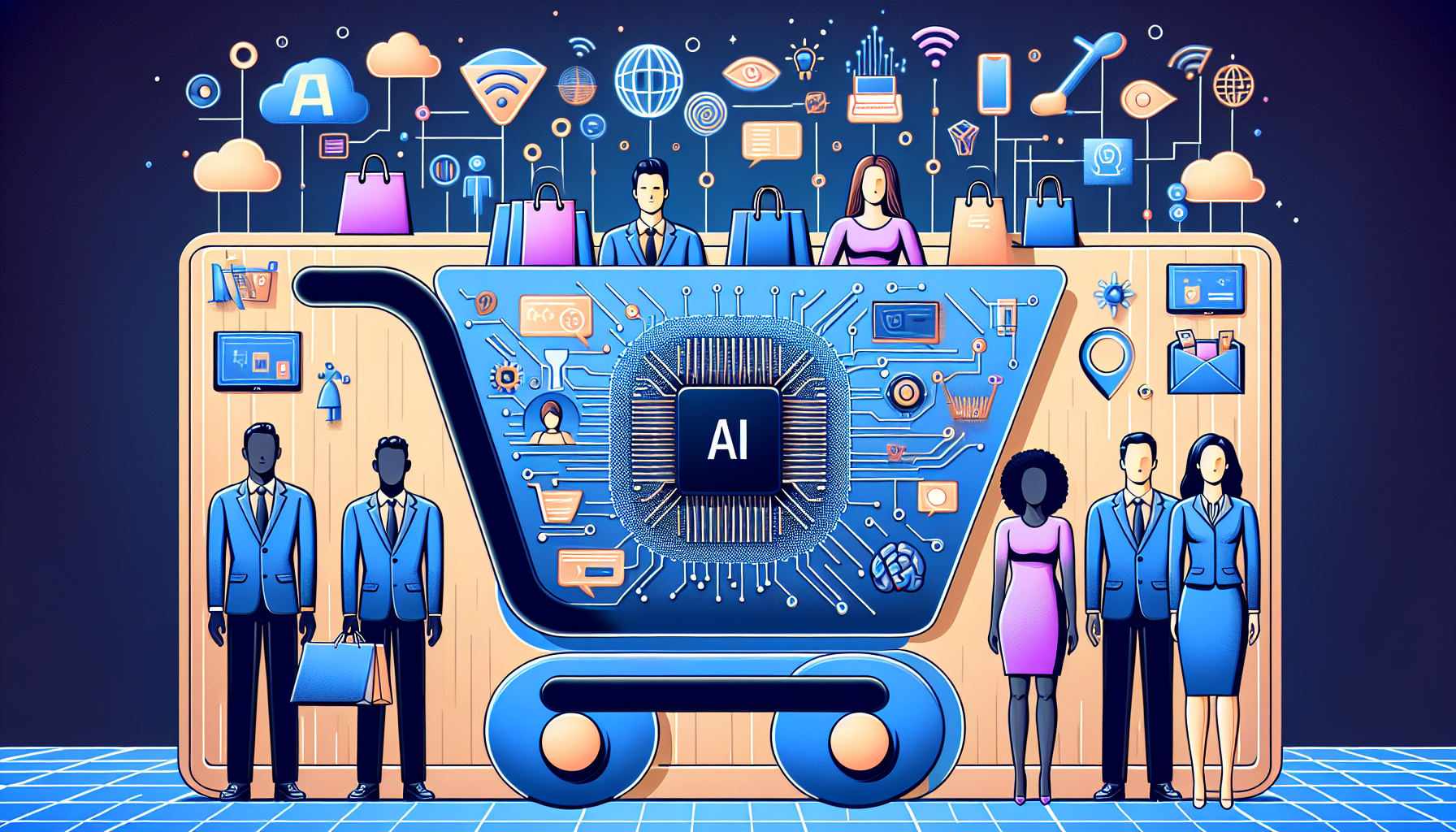
E-commerce is witnessing a paradigm shift with the integration of Artificial Intelligence (AI), reshaping customer interactions, and significantly enhancing shopping experiences. AI-powered personalization tailors online interactions to meet individual customer needs, utilizing data to create highly relevant shopping experiences. This approach is becoming a game changer for business owners seeking to improve customer satisfaction, increase conversion rates, and foster brand loyalty.
The Concept of Personalization in eCommerce
In the realm of eCommerce, personalization refers to delivering customized experiences, product recommendations, and content based on individual user data. Traditionally, businesses segmented customers into broad categories, limiting the nuances of individual preferences. However, with advanced AI algorithms, companies can analyze data collected from user behavior, preferences, and demographics, to offer tailored experiences that resonate on a personal level.
Data Collection and Analysis
AI-driven personalization begins with robust data collection. E-commerce platforms gather vast amounts of data from various sources, including purchase history, browsing behavior, customer feedback, and social media interactions. This data is then analyzed using machine learning algorithms to uncover patterns and insights, which can be utilized to predict future buying behaviors.
Key techniques for data analysis include:
- Behavioral Analysis: Tracking user interactions on the site to understand preferences and interests.
- Predictive Analytics: Using historical data to anticipate future purchases.
- Segmentation Algorithms: Creating groups of customers with similar preferences for targeted marketing.
Machine Learning Algorithms in Personalization
Machine learning plays a pivotal role in eCommerce personalization by automating and enhancing data analysis. Algorithms like collaborative filtering, content-based filtering, and hybrid methods enable businesses to deliver personalized recommendations effectively.
-
Collaborative Filtering: This method makes recommendations based on the preferences of similar users. For instance, if user A and user B have similar purchase histories, and user A buys an item, the system recommends that item to user B.
-
Content-based Filtering: This approach suggests products based on the attributes of items previously purchased or viewed by the user. For example, if a customer frequently buys fitness equipment, the system might recommend the latest workout gear.
-
Hybrid Methods: Combining both collaborative and content-based filtering provides a more comprehensive personalization experience, accounting for different types of user data and preferences.
Real-time Personalization
The ability to implement real-time personalization sets AI apart from traditional personalization approaches. Through real-time data processing, eCommerce businesses can instantly adjust their offerings according to user behavior, thereby enhancing the shopping experience.
For instance, if a customer spends time browsing a category but does not make a purchase, the AI can dynamically offer a discount on a related product, nudging the user toward conversion. This immediacy in responding to customer actions can markedly increase engagement rates.
Benefits of AI-Powered Personalization in eCommerce
1. Enhanced User Experience
Customers are more likely to engage with content that resonates with their preferences. AI-powered personalization ensures users see products and offers that align with their interests, leading to a more enjoyable browsing experience.
2. Increased Conversion Rates
Personalized product recommendations can significantly boost conversion rates. Data indicates that personalized recommendations can lead to a 10-30% increase in purchases. By serving relevant content, customers are more likely to click on product suggestions, ultimately enhancing sales.
3. Improved Customer Retention
AI-powered personalization fosters loyalty and promotes repeat business. Tailored emails, special offers, and relevant content ensure customers feel valued and understood, which can significantly increase customer retention rates.
4. Insights and Foreknowledge
AI systems provide valuable insights into consumer behavior, enabling businesses to adjust marketing strategies accordingly. Understanding trends and preferences equips business owners to make informed decisions about inventory, promotions, and new product launches.
Implementing AI-Powered Personalization
Choosing the Right AI Tools
Business owners must evaluate and select AI tools that align with their goals. Popular AI personalization solutions include:
-
Recommendation Engines: Tools like Amazon Personalize or Google’s Recommendations AI can enhance product suggestions on e-commerce platforms.
-
Customer Data Platforms (CDPs): Solutions such as Segment or BlueConic help consolidate customer data from various sources for in-depth analysis.
Integrating AI with Existing Systems
It’s essential to ensure that AI solutions integrate seamlessly with existing systems. Proper integration facilitates smoother data flow and maximizes the effectiveness of personalization efforts.
Regularly Monitoring and Optimizing Personalization Strategies
Continuous monitoring and optimization are critical to success. Business owners should analyze the effectiveness of personalized strategies through metrics such as conversion rates, average order value, and customer satisfaction scores. Regular adjustments based on performance metrics ensure ongoing improvement.
Ethical Considerations in AI-Powered Personalization
As businesses employ AI for personalization, they must also consider ethical implications. Issues such as data privacy and consumer consent are paramount. Adhering to regulations like the General Data Protection Regulation (GDPR) and fostering transparency around data usage builds trust with consumers.
Case Studies of Successful AI-Powered Personalization
Amazon
Amazon’s recommendation engine serves as a benchmark for AI-driven personalization success. The platform utilizes data from user activities to suggest products tailored to individual shopping habits, resulting in substantial revenue growth.
Netflix
While not a traditional eCommerce platform, Netflix’s use of personalized content recommendations showcases the power of AI. By analyzing user viewing patterns, Netflix keeps viewers engaged and increases content consumption.
Nike
Nike leverages AI to personalize its shopper experiences online and through its app. The company utilizes customer preferences and activity data to recommend products and offer personalized promotions, greatly enhancing engagement.
Future Trends in AI-Powered Personalization
As AI technology continues to evolve, several trends are emerging in the realm of personalization:
-
Voice-Activated Shopping: The rise of smart speakers may lead to increased voice-activated purchases, where personalization will be crucial to recommending relevant products.
-
Augmented Reality (AR): AI and AR may combine for a unique shopping experience. For instance, customers might visualize how a product will look in their environment before purchasing.
-
AI-Driven Customer Service: Chatbots equipped with AI will continue to advance, offering personalized support based on past customer interactions and preferences.
In summary, AI-powered personalization represents a transformative approach for eCommerce businesses. By harnessing data and machine learning, companies can create a shopping experience that meets individual customer needs, enhances satisfaction, and drives revenue growth. The integration of AI not only fosters customer loyalty but also equips business owners with valuable insights to endlessly refine their strategies—truly making it a game changer in the industry.
 English