

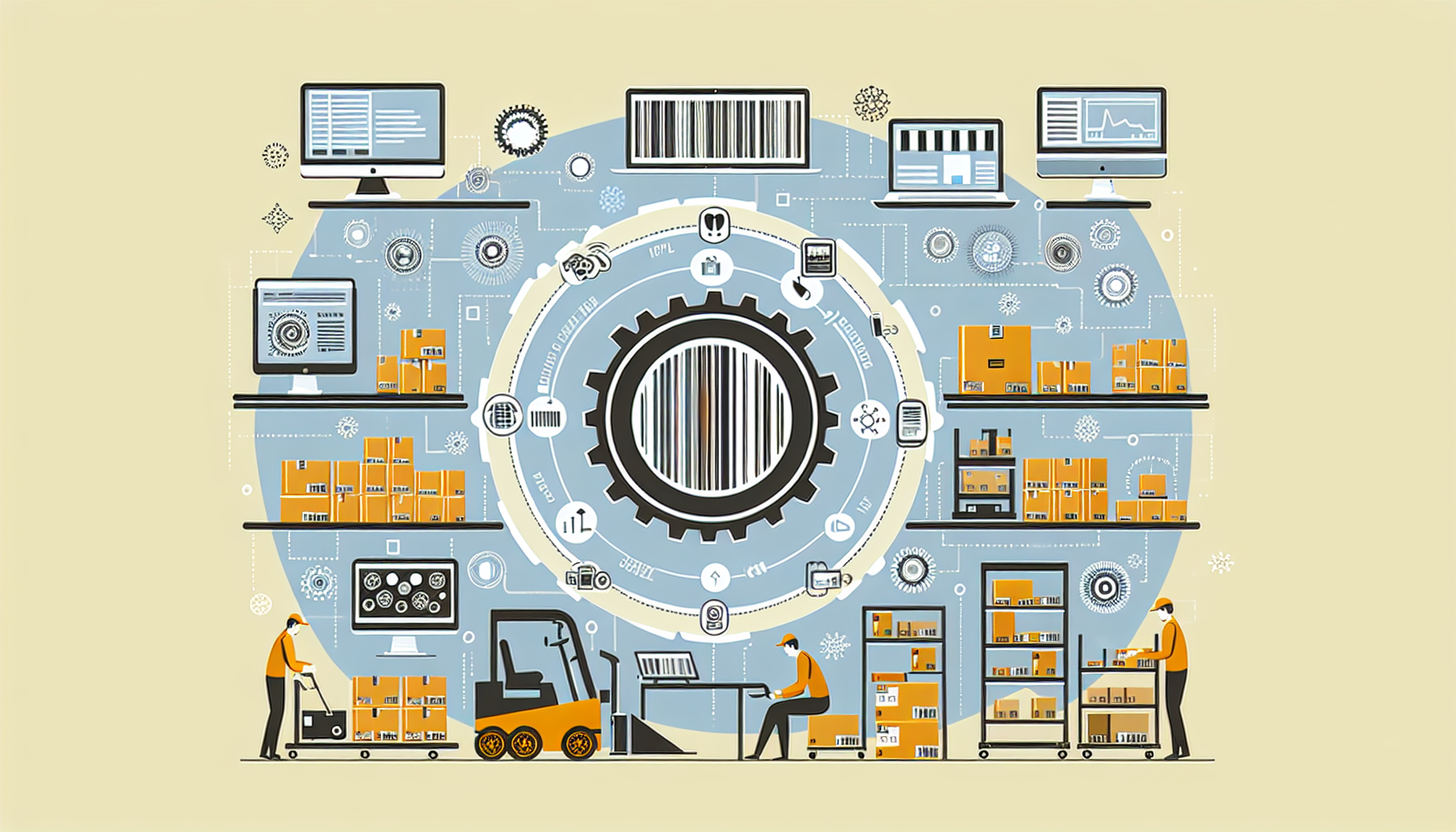

Understanding Inventory Management Automation
Inventory management automation refers to the use of technology and software tools to streamline the processes of tracking inventory levels, orders, sales, and deliveries. It significantly enhances efficiency while reducing human error, eliminating redundant tasks, and providing real-time data insights.
Benefits of Inventory Management Automation
-
Enhanced Accuracy: Automated systems minimize human errors, ensuring accurate stock levels and precise order fulfillment.
-
Increased Efficiency: Reducing manual tasks frees up employees’ time, allowing them to focus on higher-value activities, such as customer service.
-
Real-Time Tracking: Automation provides real-time insights into stock levels, helping businesses make informed decisions quickly.
-
Cost Reduction: Automated inventory management reduces labor costs and minimizes overstock and stockouts, ultimately saving money.
-
Scalability: Automated systems can easily scale as business needs grow, accommodating more products and locations without increased manual effort.
Key Automation Techniques
1. Barcode and QR Code Scanning
Barcodes and QR codes are essential in modern inventory management. When products arrive at a warehouse, employees can scan barcodes/QR codes to update inventory counts in real time.
- Implementation: Invest in a barcode/QR code scanner, and integrate it with your inventory management software.
- Benefits: Streamlines the receiving, tracking, and shipping processes, significantly speeding up inventory counts and reducing errors.
2. RFID Technology
Radio frequency identification (RFID) systems use electromagnetic fields to automatically identify and track tags attached to objects. RFID can significantly improve inventory accuracy and reduce theft.
- Implementation: Set up RFID tag readers throughout your warehouse and integrate with management software.
- Benefits: Supports real-time visibility and tracking of inventory, enabling quicker assessments of stock levels.
3. Cloud-Based Inventory Management Systems
Cloud-based software allows businesses to access inventory from anywhere, facilitating remote management and collaboration.
- Implementation: Choose a reputable cloud-based inventory management solution tailored to your business needs.
- Benefits: Provides scalability, automatic updates, and enhanced data security, while integrating with other systems such as accounting and e-commerce platforms.
4. Automated Reordering
Automated reordering triggers stock replenishment when inventory falls below a specified level. This technique ensures optimal inventory levels without manual oversight.
- Implementation: Set minimum stock thresholds within your inventory management software.
- Benefits: Keeps inventory levels consistent and helps avoid stockouts, enhancing customer satisfaction.
5. Demand Forecasting Tools
Inventory management automation can benefit from predictive analytics that leverage historical data to forecast future demand.
- Implementation: Use business intelligence tools that integrate with inventory management systems to analyze trends.
- Benefits: Helps businesses make informed purchasing decisions, optimizing stock levels based on sales predictions.
Best Practices for Implementing Inventory Management Automation
1. Evaluate Business Needs
Before initiating automation, conduct a thorough assessment to identify areas that can benefit from automation, ensuring the chosen solutions align with business objectives.
2. Choose the Right Software
Select inventory management software that integrates well with existing systems and supports scalability. Look for user-friendly platforms with robust support services.
3. Train Your Team
Provide comprehensive training for employees to adapt to new technologies. Encourage feedback through ongoing training sessions to address any concerns or difficulties they may encounter.
4. Monitor Performance Metrics
Implement KPIs to measure the effectiveness of your automated inventory management system. Key metrics might include inventory turnover, order accuracy, and fulfillment speed.
5. Regularly Update Systems
Stay current with technology advancements by upgrading software and equipment as necessary. Regular updates can improve performance and security.
Challenges of Inventory Management Automation
-
Initial Investment: Upfront costs for technology, training, and implementation can be significant, especially for small businesses.
-
Integration Issues: Ensuring that new systems work seamlessly with existing tools may require extensive configuration.
-
Change Management: Resistance from employees who prefer manual processes can hinder automation success.
-
Data Security: Storing sensitive inventory data in the cloud raises concerns regarding safety and cybersecurity threats.
Future Trends in Inventory Management Automation
1. AI and Machine Learning
Artificial intelligence will enhance inventory management through advanced analytics, improving forecasting accuracy and decision-making processes.
2. Internet of Things (IoT)
IoT technology will provide more visibility into inventory management, enabling real-time tracking of inventory across the supply chain.
3. Blockchain Technology
Blockchain can improve transparency and traceability, allowing businesses to track inventory movements securely and reliably throughout the supply chain.
Conclusion on Automation Techniques for Inventory Management
Leverage the advantages of automation techniques such as barcode scanning, RFID, cloud-based systems, automated reordering, and demand forecasting for your inventory management practices. By adopting these approaches and following best practices, businesses can enhance their operational efficiency, reduce costs, and improve overall customer satisfaction in an increasingly competitive marketplace.
 English