

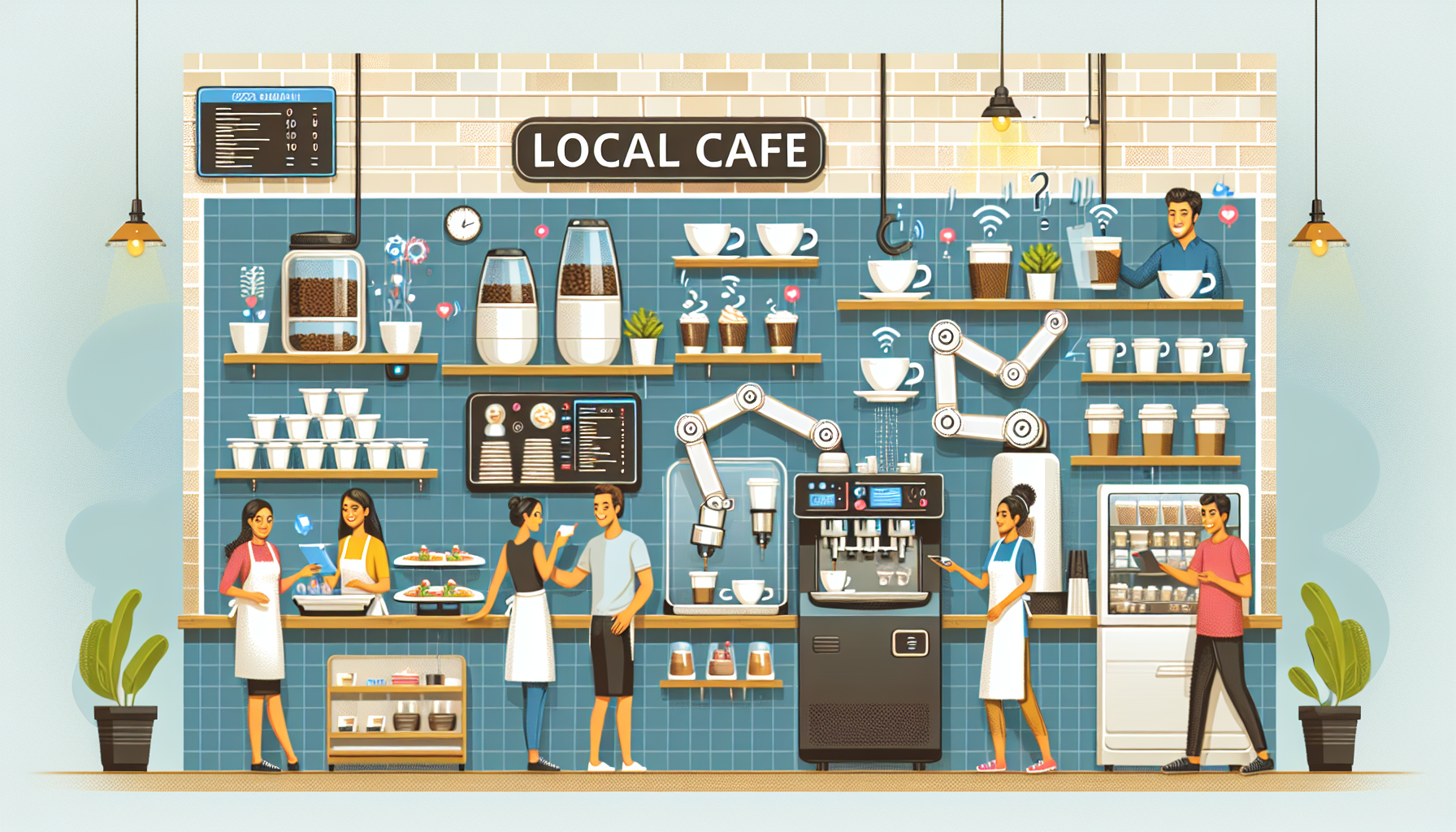

Case Study: How a Local Cafe Increased Efficiency with Simple Automation Tools
Background
Nestled in the heart of a bustling neighborhood, Brewed Awakening Cafe had built a loyal customer base over the years. Despite its popularity, the cafe struggled with inefficiencies that often left both staff and customers frustrated. From manually taking orders to managing inventory and scheduling employees, the outdated processes took a toll on operations. Recognizing the need for change, the cafe’s owner, Sarah, turned to automation tools to streamline workflow and enhance customer experience.
Identifying Pain Points
Before implementing changes, Sarah conducted an in-depth assessment of the cafe’s operations.
- Order Taking: Staff spent significant time taking orders, often leading to errors and delays during peak hours.
- Inventory Management: Tracking supplies involved manual counts and spread sheets, causing issues with over-ordering and waste.
- Employee Scheduling: Staff scheduling was cumbersome, requiring constant adjustments and leading to overwork or underutilization of employees.
Selected Automation Tools
After extensive research, Sarah selected three key automation tools that were specifically tailored to address the cafe’s pain points:
-
Point of Sale (POS) System: A modern cloud-based POS system replaced the traditional cash register. With features such as order customization, integrated payment processing, and real-time analytics, it transformed the order-taking process.
-
Inventory Management Software: This tool provided real-time tracking of inventory levels and automated ordering, reducing manual errors and ensuring the cafe had the right stock at all times.
-
Employee Scheduling App: An online scheduling tool made it easier for employees to manage their shifts, request time off, and communicate any changes, thereby streamlining the entire scheduling process.
Implementation Process
To implement these tools effectively, Sarah followed several steps:
Training Staff: Sarah organized a comprehensive training session for her staff, ensuring everyone understood how to utilize the new systems. Interactive tutorials and workshops were employed to boost confidence.
Pilot Testing: Before full-scale implementation, Sarah ran a week-long pilot to troubleshoot potential issues. Feedback from staff allowed her to make necessary adjustments to both the POS and the employee scheduling app before going live.
Integration: All three tools were integrated to work seamlessly with each other. For example, inventory levels would automatically update as orders were placed through the POS system, ensuring that the inventory management software always reflected current stock levels.
Results
Enhanced Order Efficiency: The new POS system drastically reduced order processing time. Staff could quickly input orders with minimal errors. The integrated payment processing options also resulted in faster checkout times, improving customer satisfaction.
Reduced Food Wastage: The inventory management software provided insights into usage patterns, helping Sarah adjust orders based on customer trends. This led to a 25% reduction in food waste, saving the cafe both money and resources.
Improved Employee Satisfaction: The employee scheduling app allowed staff to have more control over their hours, leading to improved morale and productivity. Absenteeism dropped by 15%, demonstrating that employees felt more engaged and valued.
Time Savings: Automating processes saved Sarah approximately 10 hours per week in administrative tasks. This freed up her schedule, allowing her to focus on other areas of the business, such as marketing and customer service.
Customer Feedback
Customer reviews highlighted the improvements brought about by the automation tools. Patrons noted faster service and fewer order mix-ups, leading to a more enjoyable dining experience. The cafe’s ratings on platforms like Yelp and Google increased significantly, with mentions of the improved efficiency in multiple reviews.
Challenges Faced
While the transition was largely successful, Sarah encountered some challenges:
-
Staff Resistance: Initially, there was hesitance among older employees who were accustomed to the traditional methods. Ongoing training and open discussions helped alleviate concerns.
-
Technical Issues: The integration of the various tools led to some technical hiccups. Working closely with customer support helped resolve issues quickly.
-
Costs of Implementation: Although beneficial in the long run, the upfront costs of adopting new technology posed a temporary financial strain. Sarah managed this by budgeting for the expenses and using projected savings from reduced wastage to offset initial outlays.
Key Takeaways
- Start Small: Begin with one tool before scaling up to prevent feeling overwhelmed.
- Train Employees: Investing in quality training ensures that staff are equipped to leverage the tools effectively.
- Monitor and Adjust: Continually assess the impact of automation on both operations and staff morale. Adapt as necessary to maximize benefits.
- Engagement: Keeping communication lines open with staff can bolster acceptance and ease the transition to automated processes.
Future Directions
Encouraged by the success of these initiatives, Sarah plans to expand further into digital marketing to attract more customers. She is also considering implementing a loyalty program integrated with the POS system to harness customer data for personalized marketing.
Through simple automation tools, Brewed Awakening Cafe transformed its operations, proving that even small businesses can significantly enhance efficiency and customer satisfaction through strategic technological investments.
 English