

What is ChatGPT?
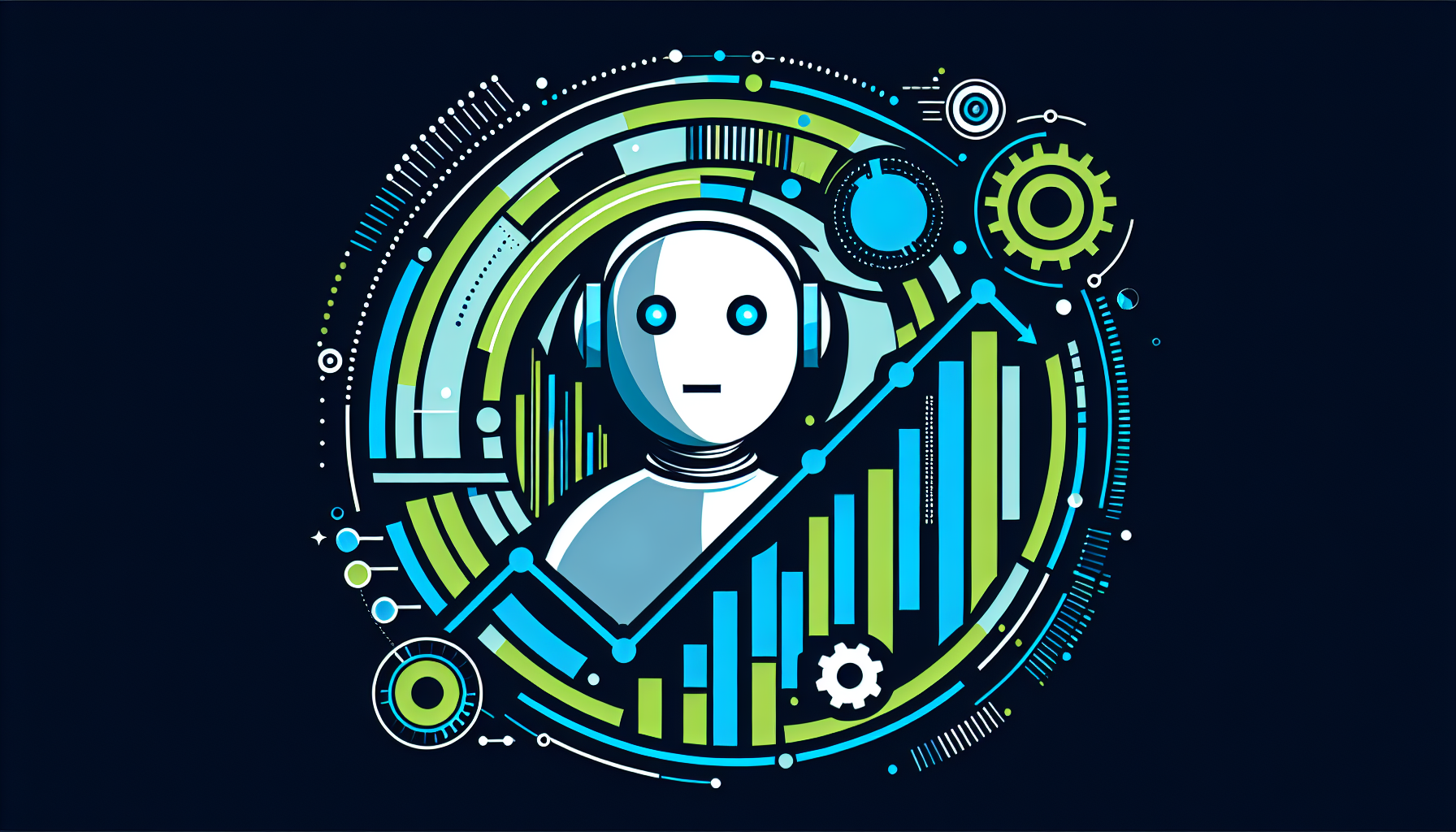
ChatGPT is an artificial intelligence language model designed by OpenAI, utilizing the GPT (Generative Pre-trained Transformer) architecture. By generating text that resembles human conversation, it serves various use cases in business, from customer service automation to content generation, thereby aiding organizations in enhancing productivity and engagement.
Key Features of ChatGPT
-
Natural Language Processing: ChatGPT employs advanced natural language processing techniques that enable it to understand and generate human-like text. This enhances interactions, making them more conversational and less robotic.
-
Contextual Understanding: One of ChatGPT’s strongest suits is its ability to maintain context over lengthy conversations. This feature is critical in business environments where conversations can be complex and nuanced.
-
Versatile Use Cases: ChatGPT adapts seamlessly across various functions: customer support, content development, market research, and more. Its versatility makes it suitable for multiple industries, including e-commerce, healthcare, education, and finance.
-
Scalability: Businesses can leverage ChatGPT to manage thousands of customer interactions simultaneously. This scalability helps organizations accommodate rising demands without the need for proportional increases in staffing.
Comparative Analysis: ChatGPT vs. Traditional Solutions
ChatGPT vs. Traditional Customer Service
Response Time: Traditional solutions often rely on live agents, resulting in longer response times. ChatGPT, on the other hand, can provide instant responses, drastically reducing customer wait times.
Cost Efficiency: Hiring and training customer service representatives can be resource-intensive. ChatGPT, with its one-time setup cost, offers a more budget-friendly alternative, particularly for small and medium enterprises (SMEs).
Availability: Traditional services typically operate within set hours, while ChatGPT can operate 24/7, giving customers access to assistance any time, thereby enhancing user satisfaction.
ChatGPT vs. Content Creation Tools
Quality of Output: While many content generation tools produce relevant copy, ChatGPT excels in creativity and context. Its ability to tailor messages based on user prompts leads to high-quality, engaging content suitable for blogs, articles, and marketing materials.
SEO Integration: ChatGPT can help create SEO-optimized content, utilizing keywords effectively and suggesting enhancements for better visibility in search engine results.
Versatile Formats: Unlike some content tools that are limited to specific formats, ChatGPT can generate a diverse range of content from technical articles to casual blog posts, making it a one-stop solution for writers.
ChatGPT vs. Market Research Solutions
Data Interpretation: While traditional market research tools provide raw data and analytics, ChatGPT helps interpret complex data by generating understandable reports and summaries, making insights more accessible to decision-makers.
Speed of Analysis: Traditional market research can take weeks or months, but ChatGPT can analyze trends and generate reports almost instantly, enabling quicker decision-making in fast-paced business environments.
User-Friendly Interaction: Instead of dense reports filled with jargon, ChatGPT can present findings conversationally, making it easier for teams to grasp essential insights and trends.
Real-World Applications of ChatGPT in Businesses
-
Customer Support Automation: Numerous businesses have integrated ChatGPT into their customer service channels. For example, e-commerce platforms use it to handle inquiries about orders, returns, and product information, leading to improved customer satisfaction rates.
-
Content Creation and Marketing: Marketing teams leverage ChatGPT for brainstorming ideas, drafting posts, and analyzing competitor content. It plays a vital role in developing blog strategies and enhancing ad copy.
-
Internal Communication: Organizations use ChatGPT to optimize internal communication, developing a knowledge base that assists employees in finding information quickly without going through extensive manuals.
-
Sales Support: ChatGPT acts as a virtual sales assistant, providing clients with tailored recommendations based on their preferences and past interactions, streamlining the purchasing process.
Best Practices for Implementing ChatGPT in Business
1. Define Clear Use Cases
Identifying where ChatGPT will add value is crucial. Businesses should clearly define specific use cases, whether in customer service, content generation, or another area, to ensure effective implementation.
2. Train the Model
Although ChatGPT is pre-trained, further tuning is beneficial. Tailoring responses by training the model on industry-specific jargon or customer preferences amplifies its effectiveness in specific fields.
3. Regularly Update Information
For industries with volatile data (like finance or tech), it’s essential to keep the knowledge base updated. This ensures that ChatGPT provides accurate, relevant responses to users.
4. Monitor Performance Continuously
Implementing metrics to assess ChatGPT’s performance will help businesses understand its impact better. Analyzing user engagement and satisfaction can help refine interactions.
5. Combine Human Touch with AI
While ChatGPT can automate many tasks, human oversight is necessary. Having human agents available to take over conversations when needed can enhance the overall customer experience.
Conclusion
Integrating ChatGPT into business operations offers numerous advantages, streamlining procedures, enhancing customer engagement, and creating efficiencies. By comparing ChatGPT with traditional solutions, businesses can better appreciate its value and take steps to implement it effectively for sustainable success.
 English