

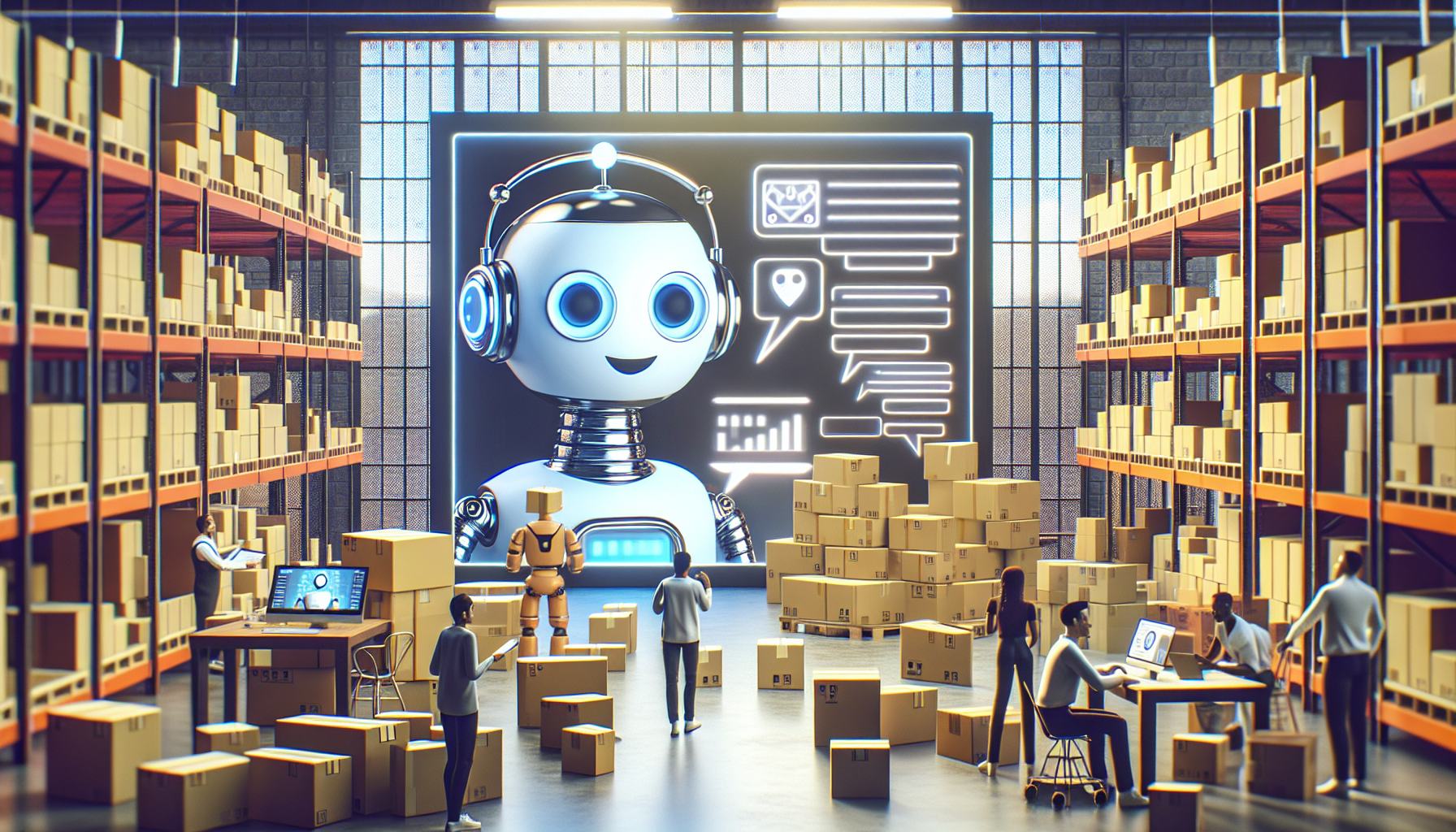

Enhancing Customer Service with AI Chatbots in eCommerce
The Rise of AI Chatbots in eCommerce
Artificial Intelligence (AI) chatbots have become a cornerstone of customer service in the eCommerce industry. These virtual assistants leverage natural language processing (NLP) and machine learning algorithms to interact with customers, making the shopping experience more efficient and enjoyable. By automating customer service responses, AI chatbots not only enhance user experience but also allow businesses to operate at scale without compromising on service quality.
Understanding AI Chatbots
AI chatbots are software applications designed to simulate human-like conversations with users. They can integrate seamlessly with messaging platforms, websites, and mobile apps, making them versatile tools in the eCommerce space. Unlike traditional chatbots that follow scripted paths, AI chatbots utilize machine learning to understand intent and context, allowing for more personalized interactions.
Key Benefits of AI Chatbots for Customer Service in eCommerce
-
24/7 Availability:
Customers expect support at any hour. AI chatbots provide round-the-clock availability, addressing customer inquiries and issues outside regular business hours. This ensures that even during peak shopping times, customers can receive immediate assistance, enhancing satisfaction and boosting sales. -
Instant Responses:
Customers value speed. AI chatbots can provide instant answers to frequently asked questions, such as product availability, shipping costs, and return policies. This immediacy reduces bounce rates and prompts customers to complete purchases. -
Cost Efficiency:
Implementing AI chatbots can significantly lower operational costs. By automating responses to repetitive queries, businesses can reduce the need for large customer service teams, allowing human agents to focus on complex issues that require a personal touch. -
Scalable Solutions:
eCommerce businesses experience fluctuating customer inquiries, especially during sales events or holiday seasons. AI chatbots can handle multiple queries simultaneously, ensuring that no customer feels neglected, regardless of traffic volume. -
Personalization:
AI chatbots can analyze user data to offer personalized recommendations and experiences. By tracking user behavior, preferences, and purchase history, chatbots can suggest products tailored to individual customers, thereby enhancing engagement and increasing conversion rates. -
Omni-channel Support:
Modern consumers engage with brands across various channels. AI chatbots can integrate with platforms like Facebook Messenger, WhatsApp, and websites, offering a consistent customer service experience regardless of where the interaction occurs.
Implementing AI Chatbots in eCommerce
-
Identify Customer Needs:
Before implementing a chatbot, eCommerce businesses must analyze common customer queries and pain points. Identifying the most frequent interactions can help in designing a chatbot that meets customer needs effectively. -
Choosing the Right Technology:
Various chatbot platforms exist, each offering distinct features and capabilities. Businesses should select a solution that aligns with their goals, technical infrastructure, and customer demographics. Solutions like Dialogflow, Microsoft Bot Framework, and Zendesk Chat are popular options. -
Creating Conversational Flows:
Designing an intuitive conversational flow is crucial. Although AI chatbots can learn and adapt, initial programming should focus on creating user-friendly paths that guide customers seamlessly through their inquiries. -
Training the AI Model:
The effectiveness of an AI chatbot depends on rigorous training. Feed it various customer interactions to help improve its understanding of language, context, and user intent. This ongoing process helps the chatbot evolve over time. -
Testing and Iteration:
Before full deployment, conduct thorough testing to identify potential issues. Gather feedback from customers and make necessary adjustments. Continuous iteration will refine performance, ultimately enhancing customer satisfaction.
Best Practices for Optimizing AI Chatbots
-
Ensure User-Friendly Interfaces:
Design chatbots that are visually appealing and easy to navigate. Utilize buttons, carousels, and rich media to enhance interactions, ensuring users can engage effortlessly. -
Offer Human Handoffs:
While AI chatbots are designed to handle inquiries, they should also seamlessly escalate complex issues to human representatives when necessary. Providing an option for personalized communication enhances customer trust. -
Incorporate Analytics:
Utilize analytics to track chatbot performance. Monitor metrics such as response time, resolution rate, and customer satisfaction scores to identify improvement areas and evaluate overall effectiveness. -
Maintain a Consistent Brand Voice:
Chatbots should reflect the brand’s personality and tone. Establishing a consistent voice not only strengthens brand identity but also fosters a better connection with customers. -
Regular Updates and Maintenance:
eCommerce is a rapidly changing landscape. Regularly updating the chatbot’s knowledge base and features ensures it stays relevant and continues to meet evolving customer needs. -
Promote the Chatbot:
Make customers aware of the chatbot’s capabilities. Highlighting its availability on product pages, in marketing campaigns, and during user sign-up can increase utilization rates.
Challenges of Using AI Chatbots in eCommerce
-
Limited Scope of Understanding:
Despite advancements, AI chatbots may struggle with understanding nuanced queries or complex language, leading to potential communication gaps. Continuous training and improvement are essential to mitigate this challenge. -
Overdependence Risks:
Organizations must balance AI interaction with human touch. Heavy reliance on chatbots can sometimes frustrate customers, particularly if they prefer human interaction. Establishing an easy switch to human support can minimize these frustrations. -
Data Privacy Concerns:
Collecting user data is necessary for providing personalized experiences, but it raises concerns about privacy. Businesses must ensure compliance with data protection regulations such as GDPR, maintaining customer trust. -
Integration Issues:
Integrating AI chatbots with existing systems can pose technical challenges. Businesses should invest in a robust IT infrastructure and involve technical experts during the implementation phase to ease the process. -
Continuous Learning:
AI models require frequent retraining to remain effective. This ongoing commitment can be resource-intensive, demanding regular attention and investment from the organization.
Future of AI Chatbots in eCommerce
The future of AI chatbots in the eCommerce sector looks promising. As technology advances, chatbots will increasingly adopt sophisticated algorithms and capabilities, such as voice interaction and augmented reality, providing immersive shopping experiences.
Furthermore, advancements in AI ethics will address customer concerns about privacy, leading to more transparent and secure data practices. The marriage of AI chatbots with other technologies, like VR and AR, will redefine customer engagement and learning.
As eCommerce continues to thrive, brands that effectively leverage AI chatbots will not only enhance customer service but also gain a competitive edge in a saturated market. Investing in AI chatbots is no longer optional; it is essential for businesses looking to thrive in the digital age.
 English