


Understanding AI in eCommerce
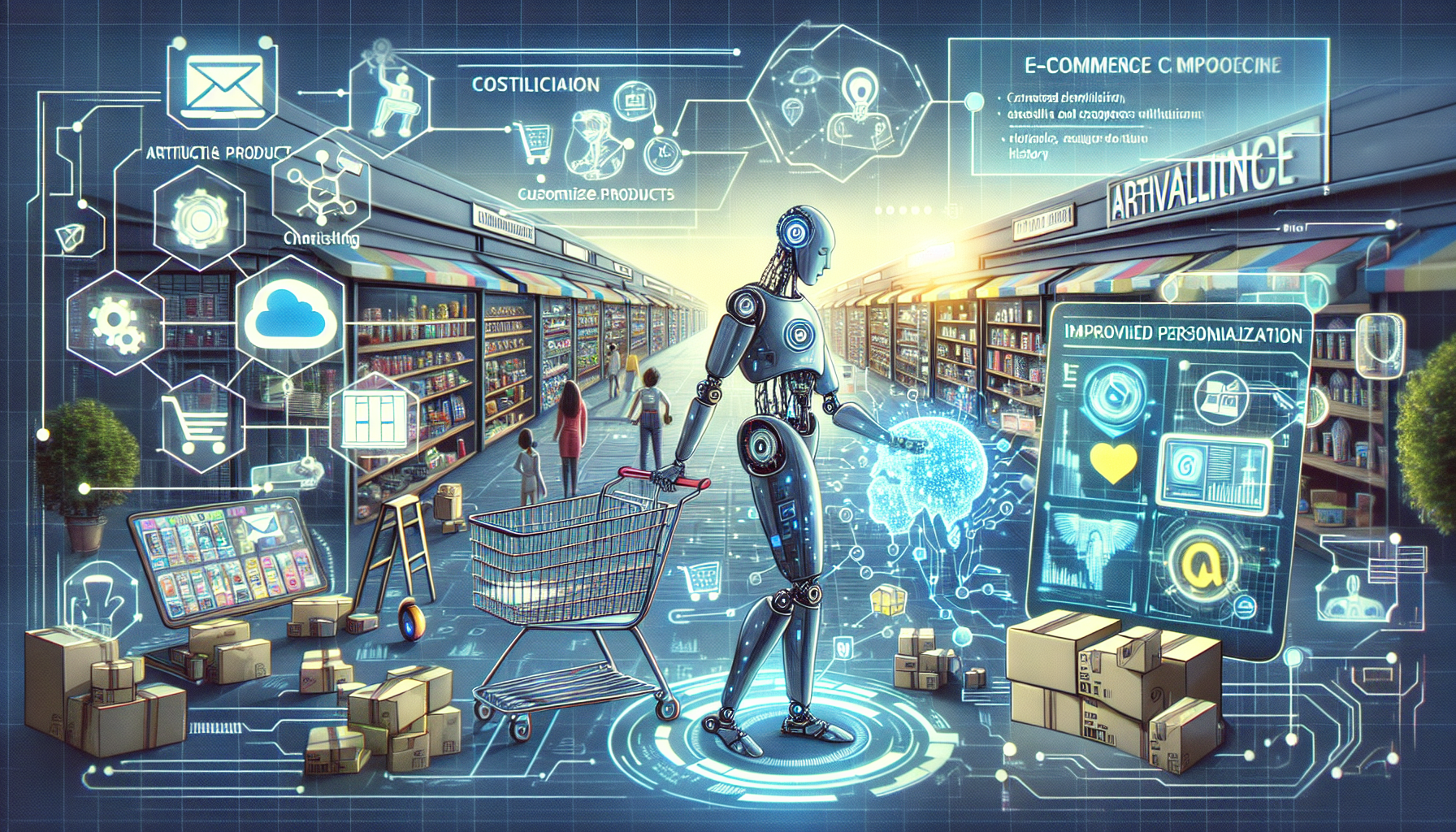
Artificial Intelligence (AI) has emerged as a transformative force in the eCommerce landscape, redefining how businesses interact with consumers. By harnessing vast amounts of data, AI enables eCommerce platforms to deliver tailored experiences to their customers, ultimately driving engagement and sales. Through machine learning, natural language processing, and predictive analytics, eCommerce businesses are crafting unique shopping experiences that cater to individual preferences.
Personalization through Data Analysis
One of the primary ways eCommerce businesses leverage AI is through advanced data analysis. By collecting and analyzing user behavior, purchase history, and browsing patterns, AI algorithms can identify trends and preferences that would otherwise go unnoticed. This data-driven approach allows businesses to create personalized shopping experiences. For instance, AI can suggest products based on previous purchases or even predict what items a customer might be interested in before they begin searching.
Recommendations Engines
Recommendation engines powered by AI have revolutionized the way consumers discover products. By implementing collaborative filtering and content-based filtering, eCommerce platforms can offer highly accurate product suggestions tailored to individual users. These systems analyze data from various customers to understand purchasing patterns and similarities between items. The result is a seamless shopping experience where consumers find products aligned with their interests, increasing conversion rates and customer satisfaction.
Dynamic Pricing Strategies
AI can also optimize pricing strategies through dynamic pricing models. By analyzing competitor prices, demand fluctuations, and customer behavior in real-time, AI algorithms can adjust pricing to maximize profitability. For example, if a product’s demand spikes around a certain holiday or event, an eCommerce platform can raise prices accordingly, ensuring they capitalize on the increased interest. Additionally, AI can offer personalized discounts to segments of consumers, further encouraging purchases while maintaining profit margins.
Enhanced Customer Service
AI chatbots and virtual assistants are changing the landscape of customer service in eCommerce. These AI applications can handle routine inquiries, providing instant responses to common questions about shipping, returns, or product availability. By utilizing natural language processing, these chatbots can comprehend and analyze user queries, offering appropriate solutions and freeing up human agents to handle more complex issues. This not only improves response times but also enhances the overall customer experience.
AI-Driven Predictive Analytics
Predictive analytics is a powerful application of AI in eCommerce, enabling businesses to forecast trends and consumer behavior more accurately. By analyzing historical data, AI models can identify patterns that help businesses make informed decisions. For example, understanding seasonal buying trends can guide inventory management, ensuring that popular products are adequately stocked before peak shopping seasons. Furthermore, predictive analytics can assist in targeted marketing campaigns by identifying who is most likely to engage with specific promotions.
Personalization in Email Marketing
Email marketing remains a potent tool for eCommerce, and AI enhances its effectiveness through personalization. By analyzing customer data—such as past purchases, browsing behavior, and demographic information—AI allows marketers to craft tailored email campaigns that resonate with individual preferences. This can include product recommendations, personalized promotional offers, or content that aligns with a user’s interests. Such tailored approaches can significantly increase open and click-through rates, driving more traffic and conversions.
Optimizing Supply Chain Management
AI also plays a crucial role in optimizing supply chain management. By analyzing data related to sales forecasts, inventory levels, and supplier performance, AI algorithms can streamline operations, reduce costs, and enhance efficiency. For example, AI can predict stock shortages before they occur, allowing eCommerce businesses to adjust their orders proactively. This ensures that the supply chain remains agile and responsive to consumer demand while minimizing excess inventory.
User Experience Enhancement
Improving user experience is essential for eCommerce success, and AI contributes significantly in this area. Through heatmaps and user interaction analytics, AI tools can analyze how customers navigate a website. Based on this data, businesses can optimize website layout, streamline checkout processes, and minimize friction during the buying journey. Personalized experiences, such as curated landing pages that reflect individual shopper preferences, increase user engagement and help lower bounce rates.
Leveraging Visual Search
Visual search technology, fueled by AI, is another innovative approach that eCommerce businesses are adopting to enhance the customer experience. By allowing consumers to upload images of products they are interested in, AI can identify similar items from the catalog and present them for purchase. This not only simplifies the shopping experience but also caters to visually-driven customers, providing them with instant results and keeping them engaged.
Fraud Detection and Security
AI also plays a significant role in improving security within eCommerce platforms. Through machine learning algorithms, AI can analyze transaction patterns and quickly identify anomalies that may indicate fraudulent activity. By updating these models continuously, businesses can stay vigilant and protect both customer data and their own financial security. This proactive approach to fraud detection increases trust with consumers, making them more likely to complete transactions.
AI-Enhanced Content Creation
Content personalization is another area where AI proves invaluable. Using AI-driven content generation tools, eCommerce platforms can create product descriptions, blogs, and promotional material tailored to specific audiences. These tools can analyze keywords and trends to produce high-quality content that resonates with potential customers, improving organic search rankings and engaging a wider audience.
Social Media Marketing Integration
Social media platforms are vital arenas for eCommerce marketing, and AI enhances these engagements by optimizing ad strategies. By analyzing user interactions and engagement metrics, AI can target ads effectively, ensuring they reach the right audience at the right time. Moreover, AI can facilitate real-time adjustments to campaigns based on performance data, improving ROI on marketing efforts.
Conclusion
eCommerce businesses are increasingly turning to AI to enhance personalization and efficiency. From recommendations and dynamic pricing to advanced customer service solutions and fraud detection, AI technology fosters a superior shopping experience. As this technology continues to evolve, these businesses will continue innovating, making the shopping experience more tailored and efficient for consumers. Understanding and implementing AI strategies is essential for eCommerce enterprises looking to thrive in a competitive landscape and meet the ever-changing demands of consumers.
 English