

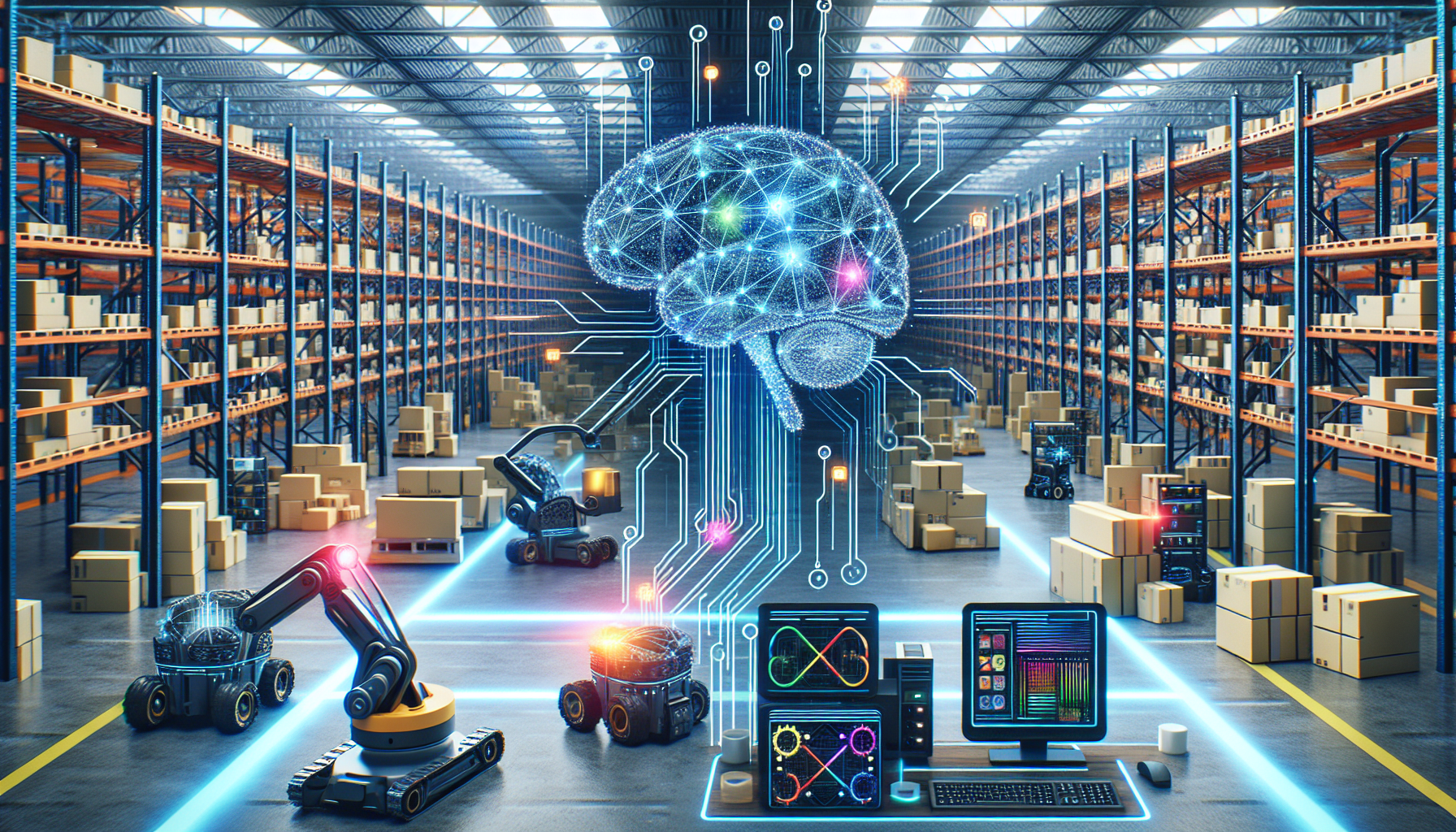

The Role of AI in eCommerce Logistics and Inventory Management
1. Understanding the Landscape of eCommerce Logistics
Logistics and inventory management are pivotal components of eCommerce, influencing customer satisfaction, operational efficiency, and overall profitability. As the heightened demand for rapid delivery continues to challenge systems, eCommerce giants are increasingly deploying Artificial Intelligence (AI) technologies to streamline these processes. The integration of AI not only enhances real-time decision-making but also fosters predictive analytics that anticipates future logistics and inventory needs.
2. AI-Powered Demand Forecasting
AI algorithms analyze vast datasets encompassing historical sales, seasonal trends, and regional preferences. This data-driven approach allows eCommerce companies to accurately forecast demand for products. Machine learning models, powered by AI, assess past purchase patterns and external factors such as holidays or events that may influence buying behavior.
- Case Example: Amazon employs sophisticated AI tools capable of predicting product demand across different regions with unmatched precision. Their advanced algorithms adjust stock levels proactively, minimizing instances of stockouts or overstock situations.
3. Intelligent Inventory Management
AI enhances inventory management through automation and optimization. By integrating AI technologies, eCommerce giants can track stock in real-time, ensuring that inventory levels align closely with demand predictions.
- Automated Restocking: AI makes it possible to automate the restocking process. Algorithms determine optimal reorder points, calculating when it’s time to restock based on current inventory levels and forecasted demand.
- Warehouse Optimization: AI systems analyze data regarding item placement in warehouses, optimizing the layout for quicker retrieval and reducing human error in order fulfillment.
4. Advanced Supply Chain Visibility
AI increases supply chain transparency. Utilizing AI-powered analytics and IoT devices, companies can have deep visibility into every aspect of their supply chain.
- Real-Time Tracking: With GPS and RFID technologies, eCommerce giants can monitor shipments through real-time tracking systems, allowing for proactive adjustments if delays occur. This level of visibility allows the marketing and customer service teams to provide customers with timely updates.
5. Dynamic Pricing Strategies
Pricing strategies in eCommerce have evolved significantly with the introduction of AI technologies. By analyzing competitors’ prices, market demand, and customer behavior, AI systems can suggest dynamic pricing adjustments that optimize sales margins without deterring potential buyers.
- Example: Retailers like Walmart utilize AI algorithms for real-time price adjustments. This flexibility helps them stay competitive while ensuring they maximize profits on high-demand items.
6. Enhanced Customer Personalization
Personalization boosts customer loyalty and facilitates better inventory management. AI tools analyze browsing patterns, past purchases, and user behavior to recommend products tailored to individual preferences.
- Impact on Inventory: By predicting which products will be in demand for specific customer segments, companies can tailor their inventory strategies more effectively, stocking items that are more likely to convert.
7. Robotics and Automation in Warehousing
Robotics, integrated with AI, transforms warehousing operations, making them more efficient. Automated systems manage sorting, packing, and inventory placement, thus reducing human labor costs and minimizing errors.
- Example: Companies like Alibaba have pioneered AI-driven robotics in their warehouses. These robots are programmed to navigate the warehouse, identify products, and transport them to packing stations, enhancing speed and accuracy in order fulfillment.
8. Predictive Maintenance of Logistics Infrastructure
AI plays a crucial role in maintaining logistics equipment and infrastructure. Predictive analytics can identify potential equipment failures before they occur, thus reducing downtime costs.
- Scenario Analysis: AI systems analyze patterns of wear and tear, enabling proactive maintenance strategies that keep logistics operations running smoothly and without interruption.
9. Route Optimization for Delivery
AI systems optimize delivery routes by taking into account factors like traffic patterns, weather conditions, and historical delivery performance. Efficient route planning reduces delivery times and costs.
- Implementation: Companies like FedEx use AI algorithms to determine the fastest routes for parcel delivery, which results in significant savings on fuel and increased customer satisfaction due to timely deliveries.
10. Fraud Detection and Security
With the increase in eCommerce transactions, fraud detection has become more crucial. AI systems analyze transaction patterns to identify anomalies that may indicate fraudulent activity, ensuring the integrity of inventory management systems.
- Importance of Security: By preventing fraud in transactions, eCommerce businesses can safeguard their revenue and maintain inventory accuracy, ultimately contributing to better supply chain integrity.
11. Utilizing Natural Language Processing (NLP)
NLP technologies enhance communication efficiency between supply chain partners and customers. AI systems can analyze customer inquiries and operational communications to extract insights that improve service.
- Impact: eCommerce platforms leverage chatbots that utilize NLP to respond to customer queries, swiftly directing issues to appropriate inventory management teams for resolution.
12. Integrating AI with Existing Systems
For eCommerce giants, seamless integration of AI applications within existing logistics and inventory management systems is vital. Traditional systems must adapt to work in tandem with AI, ensuring a smooth transition and maximizing operational efficiency.
- Collaborative Tools: Companies often use platforms that allow different departments to collaborate effectively. Data from sales, customer service, and logistics sectors synchronized through an AI-driven hub leads to more informed decision-making.
13. Environmental Sustainability Benefits
AI not only augments operational efficiency but also fosters sustainable practices within logistics. By optimizing delivery routes and reducing packaging waste, AI contributes to lowering the carbon footprint of eCommerce operations.
- Green Initiatives: As part of their sustainability efforts, eCommerce giants analyze data to minimize excess inventory and improve transportation efficiency, striking a balance between business growth and environmental responsibility.
14. Conclusion (for reference purposes)
As eCommerce continues to grow and evolve, the role of AI in logistics and inventory management becomes increasingly vital. By harnessing the power of AI technologies, eCommerce giants enhance operational efficiency, reduce costs, and improve customer satisfaction through innovative logistics strategies. The inevitably shifting landscape of the retail sector looks promising as AI continues to redefine what is possible in logistics and inventory management, creating a smarter, more responsive eCommerce experience for consumers.
 English