

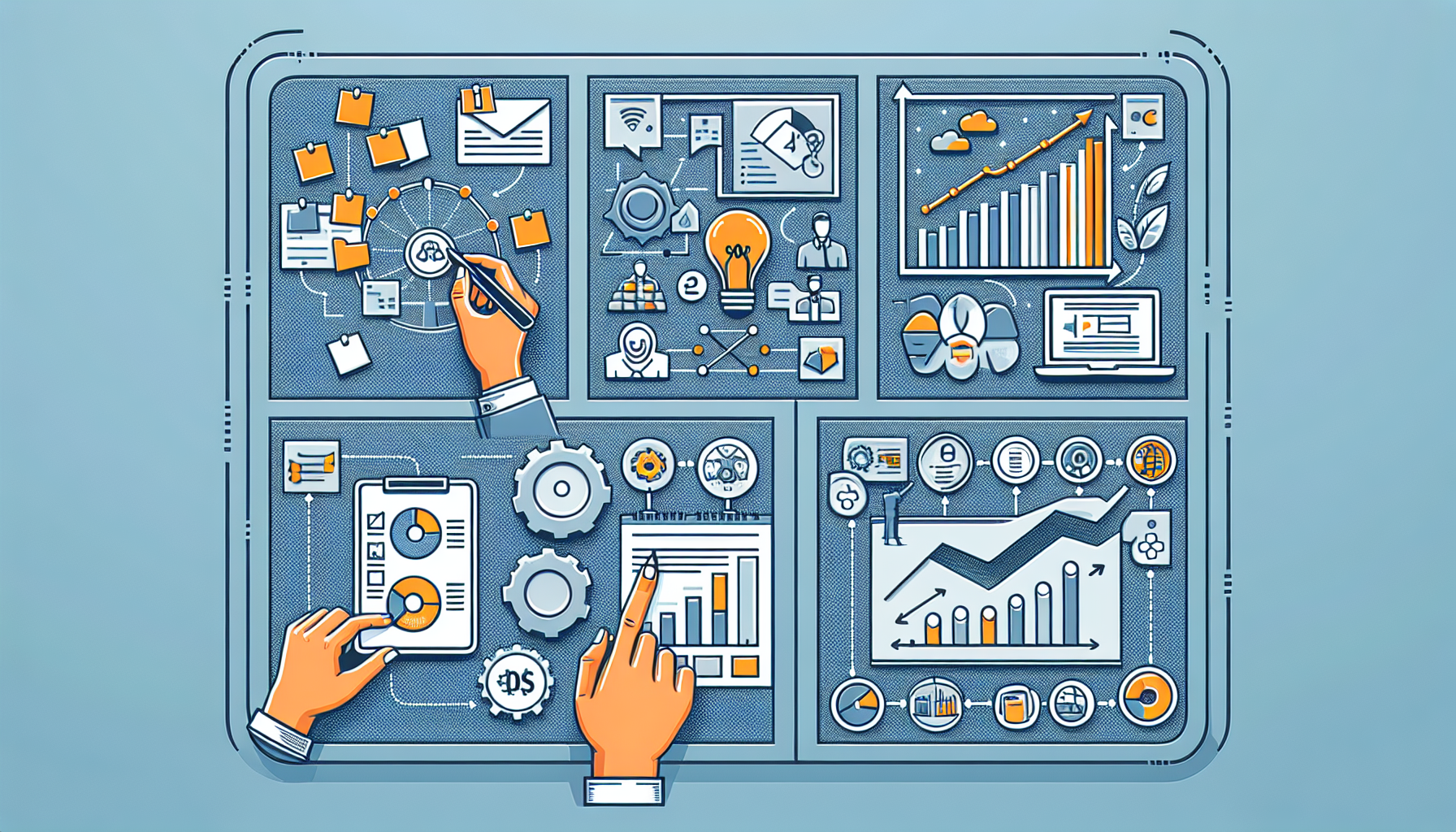

Step 1: Define Your Marketing Goals
Before diving into automation, it’s essential to clearly define your marketing goals. Whether it’s increasing brand awareness, boosting lead generation, or improving customer retention, having specific, measurable goals will guide your automation strategy. Start by asking these questions:
- What are my objectives for the next quarter?
- Which key performance indicators (KPIs) will indicate success?
Utilize the SMART (Specific, Measurable, Achievable, Relevant, Time-bound) framework to formulate your goals. For instance, rather than stating “I want more leads,” a SMART goal would be “I want to increase our monthly leads by 20% in the next three months.” Defining clear goals not only helps tailor your automated efforts but also allows for effective measurement and analysis later on.
Step 2: Select the Right Automation Tools
With defined goals, the next step is to choose the right marketing automation tools that align with your objectives. The market is saturated with various platforms, each offering unique features. Key tools you should consider include:
-
Email Marketing Platforms: Services like Mailchimp, HubSpot, and ActiveCampaign can automate email campaigns, segment audience lists, and provide analytics on campaign performance.
-
Social Media Management Tools: Programs like Buffer or Hootsuite allow you to schedule posts across multiple platforms, analyze engagement metrics, and monitor brand mentions in real-time.
-
Customer Relationship Management (CRM) Systems: CRMs like Salesforce and Zoho automate lead tracking, customer interactions, and follow-ups, helping you maintain strong relationships.
-
Analytics Tools: Google Analytics and SEMrush enable you to monitor website traffic and user behavior, allowing you to refine your strategy based on real-time data.
Evaluate these tools according to your budget, team proficiency, and specific marketing needs. Most platforms offer free trials, so take advantage of these to find a solution that fits seamlessly into your workflow.
Step 3: Create Targeted Campaigns
Now that you have defined your goals and selected the appropriate tools, you can start creating targeted campaigns. This step involves understanding your audience segments deeply to craft personalized messages. Here’s how to design effective campaigns:
-
Audience Segmentation: Leverage the data you’ve gathered to segment your audience based on demographics, behaviors, and interests. For example, for an e-commerce brand, segment users by purchase history or website interactions.
-
Content Creation: Tailor your content to resonate with each segment. Use insights from past campaigns to identify what type of content drives engagement and conversions.
-
Automated Workflows: Design workflows that automatically send emails or social media posts based on user interactions. For instance, if a user signs up for a newsletter, they might enter a series of welcome emails nurturing them until they make a purchase.
-
A/B Testing: Continuously test different versions of your campaigns to see what resonates best with your audience. Experiment with subject lines, content formats, and calls-to-action (CTAs).
Automated campaigns should be optimized for performance and continuously adjusted based on the data garnered from previous campaigns. Employ analytics from your automation tool to gauge engagement and conversion rates.
Step 4: Monitor, Analyze, and Adjust
The final step in automating your marketing efforts involves ongoing monitoring, analysis, and adjustment of your campaigns. This step is critical for long-term success as it provides insights into what’s working and what isn’t. Here’s how you can implement effective monitoring:
-
Analytics Tracking: Use the analytics features of your automation tools to track performance metrics. Monitor open rates, click-through rates (CTR), conversion rates, and customer retention figures for your campaigns.
-
Feedback Mechanisms: Incorporate feedback mechanisms such as surveys or polls in your emails to gather insights directly from your audience. This qualitative data can provide context to your quantitative metrics.
-
Regular Reviews: Schedule regular intervals to review your campaign performance against the set goals. Determine which tactics yielded the best ROI and which need re-evaluation.
-
Iterative Improvements: Utilize the insights gained to refine your segmentation, content, and workflows. Marketing is an ongoing process, and being able to pivot quickly based on performance data is crucial.
Apply these adjustments to enhance user engagement and maximize ROI. Automation is not a set-and-forget solution; it requires continuous evaluation and a willingness to adapt strategies based on real-time insights.
By following these four essential steps—defining your marketing goals, selecting the right tools, creating targeted campaigns, and continuously monitoring your efforts—you can effectively automate your marketing strategy. Embrace the power of automation to free up your time, improve efficiency, and ultimately drive better results for your business.
 English