

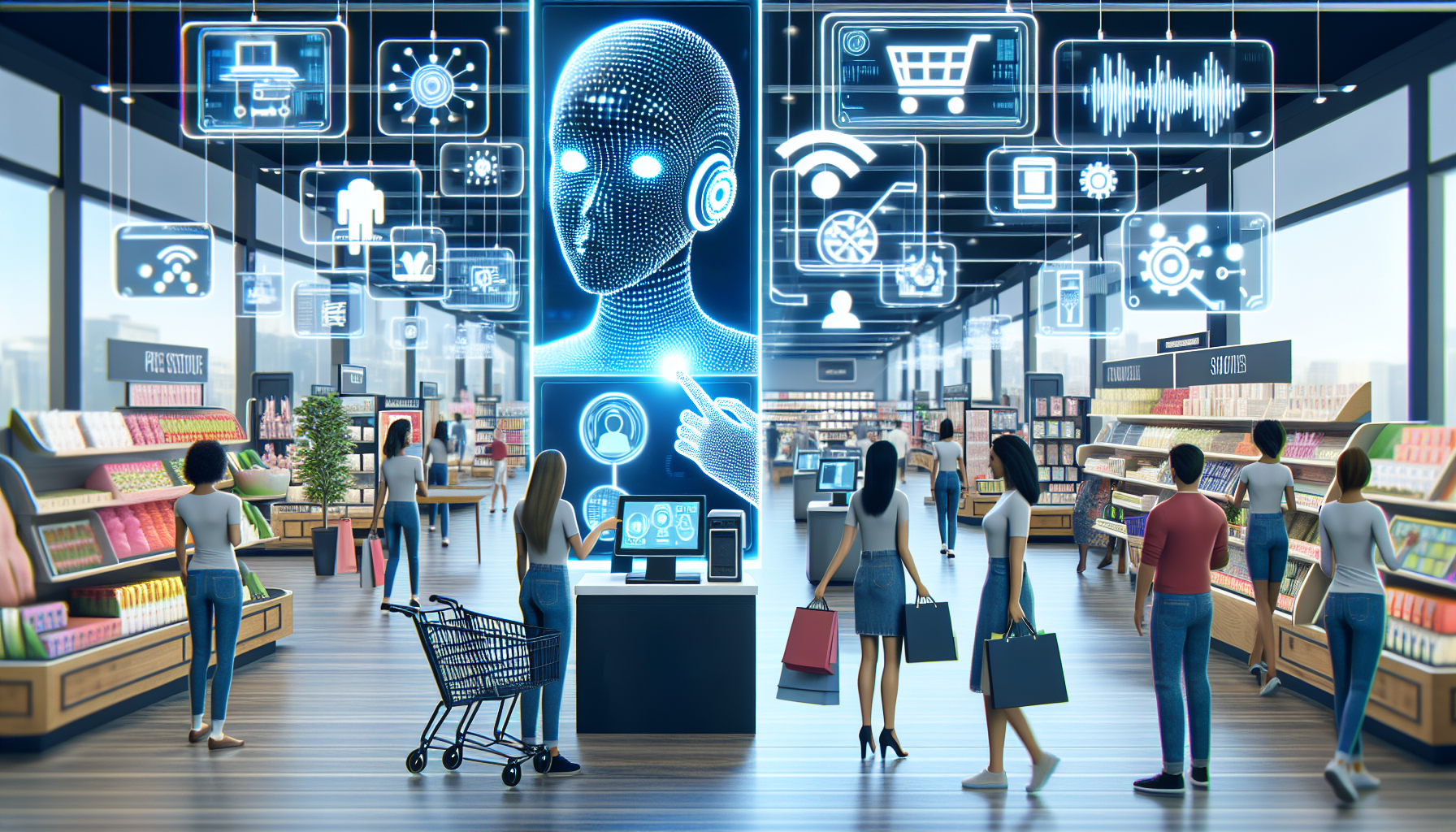

Understanding Customer Engagement in Retail
Customer engagement in retail refers to the interaction between a brand and its consumers. High engagement scores translate to customer loyalty and ultimately contribute to higher sales. Engaging customers effectively requires a mix of personalized experiences and timely responses.
The Role of Automation in Retail
Automation reshapes the retail landscape by streamlining processes and enhancing customer experiences. By automating repetitive tasks, retailers can incorporate a more strategic approach to engagement. This allows them to focus their efforts on developing relationships rather than managing routine processes.
Types of Automation Tools in Retail
-
Customer Relationship Management (CRM) Systems
CRM software helps retailers gather customer data, which can be vital for effective engagement. By leveraging automation within these systems, businesses can track customer interactions and preferences, sending personalized communications at the right time. -
Email Marketing Automation
Automated email marketing platforms let retailers send targeted messages based on user behavior. For example, customers who abandon their shopping carts can receive reminder emails, increasing the likelihood of conversion. -
Chatbots
Implementing chatbots provides real-time customer service without the need for constant human involvement. These AI-driven tools can handle a variety of inquiries, enhancing customer satisfaction while reducing operational costs. -
Social Media Automation Tools
These platforms enable retailers to schedule posts, track engagement, and respond to customer inquiries around the clock. By employing such tools, retailers can maintain consistent communication and foster community engagement.
Personalized Customer Experiences
The key to effective customer engagement lies in personalization. Automated systems can analyze customer data to tailor interactions. For instance, retailers can suggest products based on previous purchases, enhancing the shopping experience.
Data-Driven Insights
Automation not only helps gather data but also analyzes it. Businesses can gain insights into customer behavior and preferences through automated data analysis tools. These insights allow retailers to adjust their strategies in real-time, ensuring marketing efforts resonate with target audiences.
Omnichannel Engagement
Today’s consumers interact with retailers across multiple channels. Automation facilitates a seamless omnichannel experience by coordinating communications and customer interactions. For example, a customer may see targeted ads on social media and follow up with a purchase on the retail website, all tracked through automated systems.
Enhancing Customer Service with Automation
Customer service is a critical component of customer engagement. Automation tools provide efficient support, ensuring that queries are addressed promptly. Chatbots can handle basic questions, freeing human agents to manage more complex concerns. This dual approach enhances overall customer satisfaction.
Automated Loyalty Programs
Implementing automated loyalty programs can significantly enhance long-term customer engagement. Using software to track customer purchases and preferences allows retailers to automatically apply rewards or incentives, encouraging repeat business without manual input.
Inventory Management and Customer Experience
An efficient inventory management system powered by automation can prevent stockouts and manage customer expectations. Automated notifications can alert customers when items are back in stock or notify them of order statuses without intervention from staff.
Marketing Automation Strategies
-
Targeted Campaigns
Automated marketing strategies enable retailers to segment their audience precisely. This segmentation ensures that messages are tailored for distinct customer groups, increasing engagement rates. -
A/B Testing
Automation simplifies A/B testing for various marketing campaigns, allowing retailers to experiment with different content, timing, and channels to optimize performance. -
Follow-up Sequences
Automated follow-up sequences can keep customers engaged post-purchase. After customers receive their products, an automated system may send surveys, requests for reviews, or recommendations for future purchases.
The Importance of Data Privacy and Compliance
While leveraging automation, retailers must ensure that customer data is handled sensitively and complies with regulations such as GDPR and CCPA. Transparency about how data is collected and used is vital for maintaining customer trust.
Measuring Engagement Success
Tracking the effectiveness of automated engagement strategies is crucial. Key performance indicators (KPIs) such as engagement metrics, conversion rates, and customer retention rates should guide retailers in evaluating their automation efforts.
Overcoming Challenges
Implementing automation may come with challenges such as integrating new systems with legacy infrastructure, employee buy-in, and ensuring a human touch in automated interactions. Retailers must strategize carefully to overcome these hurdles for successful implementation.
Continuous Improvement Through Feedback
Feedback loops enabled through automation can enhance customer engagement strategies. Retailers can automate requests for customer feedback post-interaction, allowing continuous refinement of services and products.
The Future of Automation in Retail
As technology advances, the scope of automation in retail will expand. Future trends may include AI-driven predictive analytics that can anticipate customer needs before they arise. Retailers that invest in the latest automation technologies will likely lead the market in customer engagement.
Conclusion of Automation Deployment
Successfully leveraging automation for customer engagement requires a strategic approach but can yield significant benefits. By embracing automated tools, retailers can enhance personalized experiences, improve customer service, and foster loyalty, paving the way for sustained success. Retailers must remain proactive in adopting new technologies and refining their automation strategies to stay ahead in an ever-evolving landscape.
 English