

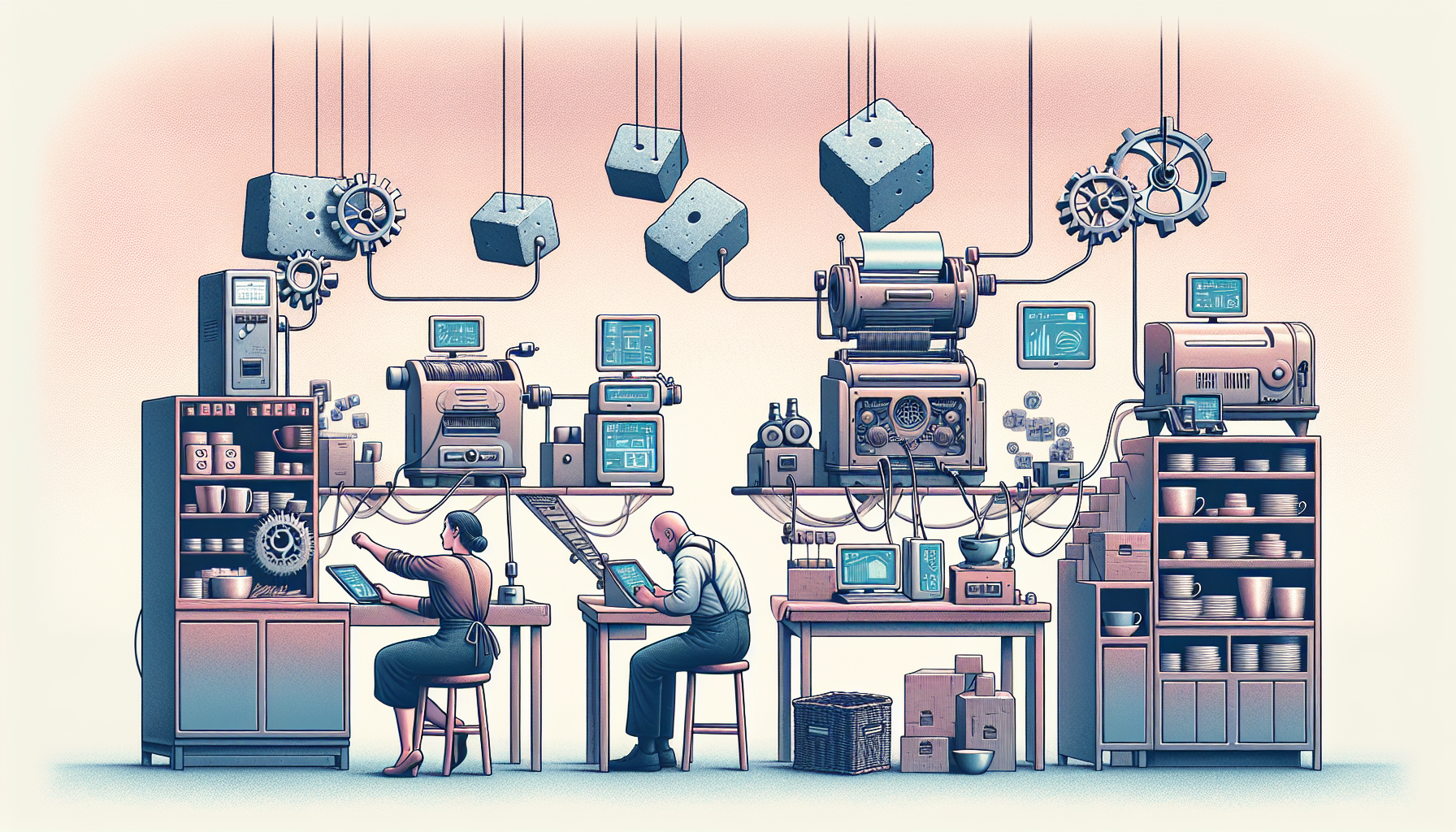

Overcoming Challenges: Implementing Automation in Small Businesses
Understanding Automation in Business
Automation refers to the use of technology to perform tasks without human intervention. In the context of small businesses, this can encompass a range of functions, from marketing and customer service to inventory management and accounting. By implementing automation, small businesses can significantly enhance efficiency, reduce operational costs, and free up human resources for more strategic initiatives.
Identifying Key Areas for Automation
To begin the automation process, small businesses should identify areas that would benefit most from this transformation. Common areas ripe for automation include:
-
Customer Relationship Management (CRM): Automating your CRM allows for better data management and enhanced customer engagement. Automated follow-ups, email marketing campaigns, and customer feedback loops can contribute to improved relationship building.
-
Inventory Management: Small businesses often struggle with inventory control. Automation tools can monitor stock levels, predict re-order thresholds based on sales trends, and generate purchase orders, reducing the risks of stockouts and overstocking.
-
Accounting and Invoicing: Automating your accounting processes can streamline financial management. Tools like QuickBooks or FreshBooks can generate invoices, track expenses, and simplify tax preparation, providing accurate financial insights on demand.
-
Social Media and Marketing: Scheduling posts, engaging with customers, and analyzing performance metrics can consume a lot of time. Automation tools can assist in managing these tasks efficiently, allowing for consistent branding and audience engagement without the need for constant oversight.
Selecting the Right Tools
When choosing automation tools, small businesses should consider several factors:
-
Scalability: The selected tool should grow with the business. A system that caters to small-scale operations may not be suitable as the business expands.
-
Integration: Tools should seamlessly integrate with existing platforms to ensure smooth data flow and minimize operational disruptions. For example, if a business uses an existing CRM, any new automation tool should preferably integrate with it.
-
Cost-Effectiveness: Budget constraints are a common reality for small businesses. It’s important to evaluate the total cost of ownership, including licenses, maintenance, and upgrades.
-
User-Friendliness: The learning curve associated with new tools can deter employees. Opting for user-friendly software will facilitate quicker adoption and minimize resistance to change.
Employee Training and Adaptation
Implementing automation does not merely involve introducing new tools; it also requires a cultural shift within the business. Employees must be adequately trained to maximize the benefits of automation. Here are some strategies:
-
Provide Thorough Training: Invest time in comprehensive training sessions that familiarize employees with new technologies. This could include workshops, online courses, or even inviting vendors to provide on-site training.
-
Encourage Feedback: Employees are often the best source of insight regarding operational efficiency. Encourage them to share their experiences and suggest improvements regarding the new systems.
-
Promote a Culture of Continuous Learning: Encourage a mindset where employees are comfortable with evolving technology and are open to adopting new tools over time. This can be reinforced through regular training and updates on new features or tools.
Overcoming Resistance to Change
Resistance to automation can stem from fears of job loss or a lack of understanding regarding its benefits. Small businesses should address these concerns head-on:
-
Communication: Foster transparent communication regarding the reasons behind automation efforts. Emphasize that automation is intended to support, not replace, the workforce.
-
Highlighting Benefits: Share success stories or case studies from similar businesses that experienced significant improvements through automation. This can provide a tangible context for perceived benefits.
-
Involvement in the Process: Involve employees in the decision-making process when selecting automation tools. When employees feel heard and involved, they are more likely to embrace change.
Measuring Success
After implementation, small businesses need to establish metrics to evaluate the effectiveness of their automation efforts. Important performance indicators include:
-
Time Savings: Measure the reduction in time spent on specific tasks before and after automation.
-
Cost Reduction: Analyze any decreases in operational costs due to efficiency gains or reduced labor.
-
Customer Satisfaction: Use surveys and feedback mechanisms to gauge improvements in customer satisfaction, seeing if automation has led to quicker response times or better service quality.
-
Employee Satisfaction: Monitor employee attitudes towards their workload and their experience with new tools. Improved morale can indicate a successful transition to automation.
Common Pitfalls to Avoid
As small businesses embark on their automation journey, being aware of potential pitfalls can increase the likelihood of success:
-
Over-Automation: While automation can enhance efficiency, over-relying on it can lead to a loss of personal touch in customer service. Striking a balance is crucial.
-
Ignoring Data Security: With the increase in digital systems, data security must not be overlooked. Ensure that automation tools comply with industry regulations and safeguard customer data.
-
Neglecting Updates and Maintenance: Automation tools require regular updates and maintenance to remain effective. Neglecting this can lead to system inefficiencies or failures.
The Future of Automation in Small Businesses
Automation is no longer just an option for larger corporations; it’s becoming essential for small businesses to remain competitive in today’s fast-paced environment. As technology continues to evolve, small businesses should actively seek out innovative solutions while being strategic about their implementation.
Establishing a clear vision, understanding the challenges, and fostering an adaptable workforce will empower small businesses to leverage automation effectively. By addressing the obstacles head-on and following a structured approach, small businesses can transform their operations, stay agile, and position themselves for sustainable growth in a technology-driven world.
 English