

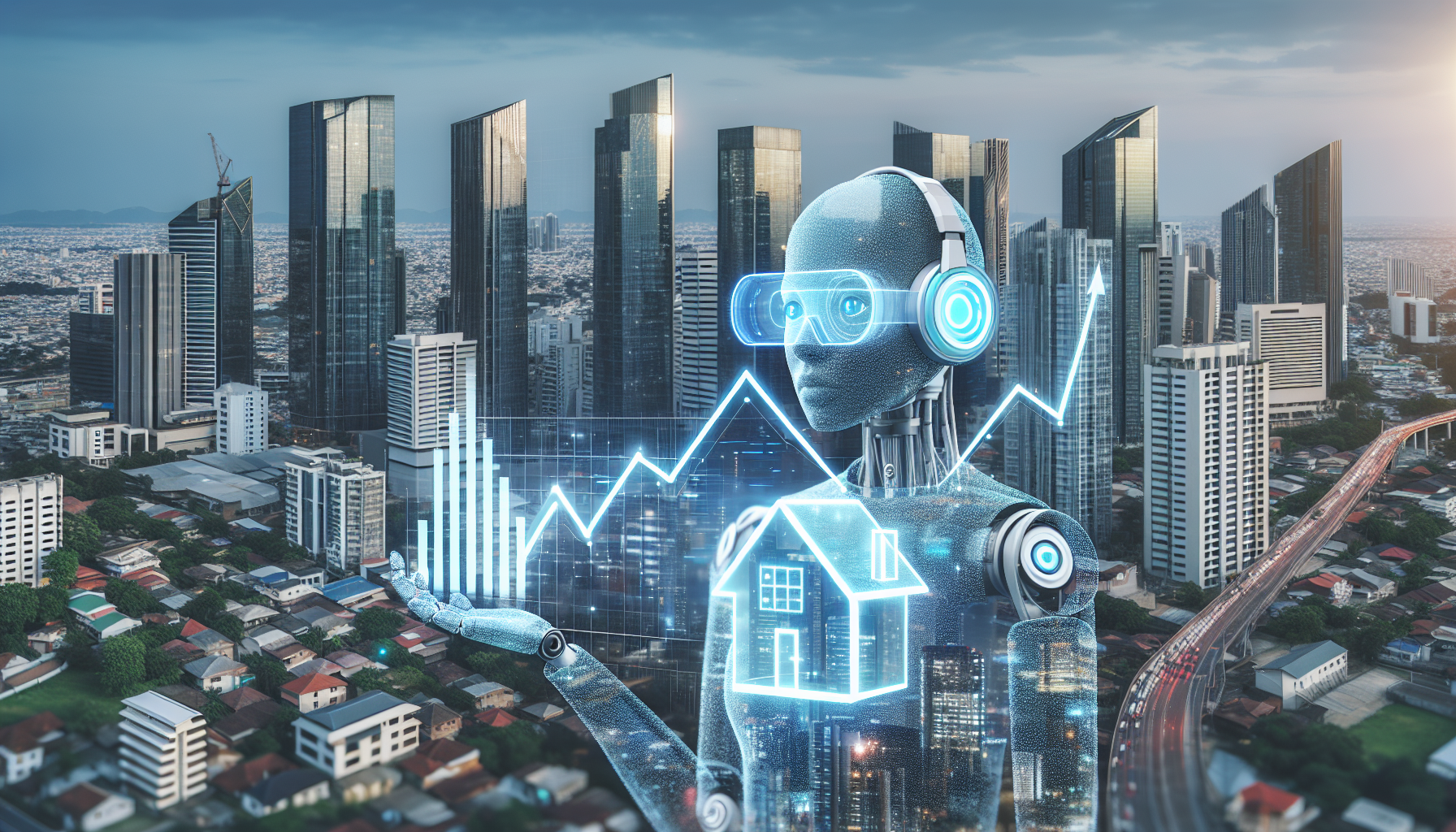

Real Estate Innovation: How AI is Changing Property Valuation and Sales
The Rise of Artificial Intelligence in Real Estate
Artificial Intelligence (AI) is ushering in a new era in various industries, and real estate is no exception. With its capacity to process vast quantities of data quickly and accurately, AI is revolutionizing how properties are valued and sold. As the real estate market becomes increasingly competitive, AI tools offer innovative solutions that enhance decision-making processes, streamline transactions, and improve customer experiences.
Enhancing Property Valuation
When pricing a property, traditional methods often rely on appraisals and comparative market analyses, which can be time-consuming and subjective. AI changes this landscape by automating valuations and providing data-driven insights. Machine learning algorithms can analyze extensive data sets, including historical sales, property features, neighborhood statistics, and economic indicators.
-
Automated Valuation Models (AVMs): These tools utilize AI algorithms to evaluate properties by comparing them with similar listings, factoring in key features. The advancement of AVMs has made them reliable, with some reports indicating accuracy rates exceeding 90%. This automation not only helps real estate agents offer competitive pricing but also empowers buyers with accurate information.
-
Predictive Analytics: AI employs predictive analytics to forecast future property values. By evaluating market trends and patterns, AI can identify growth areas and emerging neighborhoods. Investors can use these insights to make informed purchasing decisions, invest in up-and-coming regions, and maximize profitability.
-
Big Data Integration: AI systems aggregate massive amounts of data from various sources, including local market data, demographic information, and economic forecasts. By combining these inputs, AI can deliver a more nuanced property valuation, enabling stakeholders to understand market dynamics profoundly.
Transforming the Sales Process
Apart from valuations, AI is reshaping the way properties are marketed and sold. With consumer behaviors evolving, real estate professionals are turning to intelligent tools to meet the demands of modern buyers.
-
Targeted Marketing: Through AI-driven data analytics, real estate agencies can identify specific buyer segments and tailor marketing strategies accordingly. By segmenting potential clients based on preferences, behaviors, and demographic data, agents can craft targeted advertisements that resonate well, leading to higher engagement and conversion rates.
-
Virtual Reality and Augmented Reality: AI technology combined with virtual and augmented reality allows potential buyers to experience properties remotely. This tech-driven approach enhances property showcasing, enabling realistic walkthroughs and interactive experiences. Buyers can visualize spaces, reducing the time spent on site visits.
-
Chatbots and Virtual Assistants: AI-powered chatbots are revolutionizing customer service in real estate. Available 24/7, these bots engage potential buyers, answer questions, and guide them through the sales process. Not only do they enhance the user experience, but they also allow real estate agents to focus on closing deals by streamlining initial interactions.
Predictive Analytics in Market Trends
AI excels in predicting market trends by processing historical data and market signals. Using machine learning models, agents and investors can gain insights into the future conditions of the market, allowing them to make informed strategic decisions.
-
Interest Rate Projections: By analyzing economic data, AI tools can forecast interest rates, which significantly affect real estate markets. Understanding these projections helps investors strategize their loans and investment timelines.
-
Supply and Demand Analysis: AI algorithms can evaluate supply-demand dynamics in real estate. By analyzing ongoing and future developments, AI can predict potential shortages or surpluses in various markets. This information assists agents in advising clients on the best timing for purchasing or selling properties.
-
Regional Economic Indicators: Local economy assessments are crucial in understanding real estate viability. AI can track employment rates, income growth, and migration patterns to project changes in property values across different neighborhoods. Thus, agents are better equipped to guide clients toward investment opportunities.
AI in Property Management
AI also plays a pivotal role in property management, offering tools to simplify maintenance and tenant relations.
-
Predictive Maintenance: Using IoT (Internet of Things) devices and AI, property managers can predict when maintenance should occur, thus minimizing costs and maximizing tenant satisfaction. For instance, sensors can detect leaks or heating issues, alerting managers before these problems escalate.
-
Smart Leasing Options: AI tools facilitate tenant screening, ensuring that property managers select candidates who are most likely to pay rent consistently. Analyzing data related to credit scores, rental history, and employment can aid in making informed leasing decisions.
-
Customer Relationship Management (CRM): AI-enhanced CRM systems streamline communication between property managers and tenants. By analyzing tenant requests and feedback, property managers can identify trends and proactively address common issues, leading to superior tenant retention.
The Future of AI in Real Estate
As AI technology continues to evolve, its integration into real estate practices will only deepen. Emerging technologies, such as blockchain and advanced machine learning, have the potential to further streamline transactions and enhance transparency.
-
Blockchain and AI Synergy: The combination of AI and blockchain could facilitate secure, transparent transactions, drastically reducing fraud risks. Smart contracts could automate parts of the transaction process, such as title transfers and payment processing, allowing for faster closings.
-
Enhanced Market Predictions: Artificial intelligence, in conjunction with other emerging technologies, can further refine market predictions, enhancing its predictive capabilities. This will empower agents and investors to gauge market fluctuations more precisely.
-
Personalized User Experience: AI will continue to create highly tailored experiences for users, adapting to individual client needs even before they are expressed. As algorithms refine themselves through user interactions, personalization will reach new heights, providing a better overall experience.
Conclusion: The AI Advantage in Real Estate
In a sector traditionally reliant on human judgment, AI is redefining the norms of property valuation and sales. By leveraging AI technologies, stakeholders can enhance their decision-making, streamline processes, and deliver superior customer experiences. As the real estate industry keeps pace with technological advancements, embracing AI will be essential for success in an increasingly competitive market.
 English