

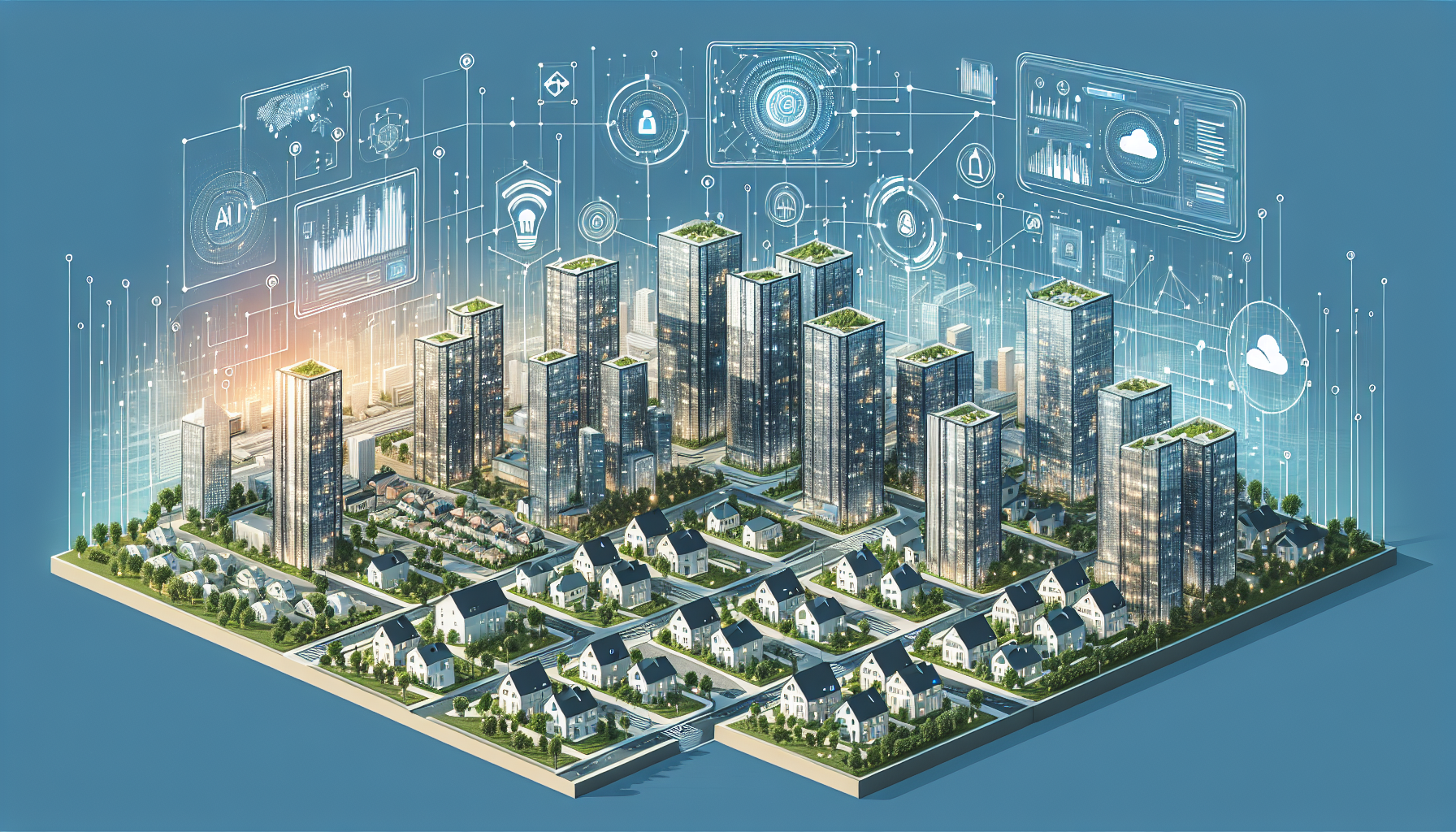

Real Estate Innovations: How AI is Changing Property Management
Understanding AI in Property Management
Artificial Intelligence (AI) refers to the capacity of machines to perform tasks that would normally require human intelligence. In property management, AI technologies are transforming traditional operations, making them more efficient, cost-effective, and responsive to tenant needs. This integration of advanced technology is not a distant future but a present reality, reshaping how landlords, property managers, and tenants interact.
Streamlining Administrative Tasks
One significant area where AI is making waves is in streamlining administrative tasks. AI-powered solutions automate routine activities such as rent collection, tenant screening, and maintenance requests. Property managers can use platforms that leverage natural language processing (NLP) to handle emails and inquiries, significantly reducing response time. This automation not only frees human resources for more strategic tasks but also enhances tenant satisfaction by ensuring quick communication.
Enhanced Tenant Screening
The tenant screening process is a crucial aspect of property management. Traditional methods often rely on manual checks and personal judgments, which can lead to inconsistencies. AI is revolutionizing this process through predictive analytics and machine learning algorithms. These technologies analyze data from various sources, including credit scores, rental history, and even social media behavior, to evaluate potential tenants comprehensively.
By utilizing AI for tenant screening, property managers can minimize risks and make data-driven decisions that result in lower vacancy rates and more reliable tenants. Furthermore, this approach helps in identifying patterns that could signal potential issues, allowing proactive management.
Predictive Maintenance
AI is enabling predictive maintenance, leading to significant cost savings and enhanced tenant satisfaction. By utilizing Internet of Things (IoT) sensors and AI algorithms, property managers can now monitor the condition of appliances, plumbing, and HVAC systems in real time. When anomalies are detected, such as unusual energy usage or temperature fluctuations, AI can predict potential failures before they occur.
This foresight allows property managers to address maintenance issues proactively, reducing costly emergency repairs and improving the overall tenant experience. Moreover, tenants enjoy a more comfortable living environment as issues are dealt with efficiently.
Improving Tenant Engagement
Tenant engagement is crucial for retaining residents and minimizing turnover rates. AI-driven chatbots and virtual assistants are transforming how property managers interact with tenants. These tools are available 24/7 and can handle a variety of inquiries, from answering FAQs to scheduling maintenance appointments.
Chatbots can learn from tenant interactions, providing personalized responses and improving over time. This instant support not only enhances tenant satisfaction but also alleviates the workload on property management teams, allowing them to focus on enhancing community engagement and property amenities.
Smart Building Technologies
AI’s integration with smart building technologies is another exciting development in property management. Smart buildings use IoT devices to monitor various aspects, such as energy consumption, security systems, and occupancy rates. AI algorithms analyze this data to optimize operations.
For instance, if a building experiences low occupancy in certain areas, AI can adjust lighting and heating systems to conserve energy, leading to reduced operational costs. Additionally, these smart systems enhance security by providing real-time surveillance and advanced access control mechanisms, offering peace of mind to tenants.
Enhancing Marketing Strategies
Real estate marketing has also evolved with AI technology. Property management companies can utilize AI-driven analytics to identify market trends and predict future behaviors. Machine learning can assess demographic patterns and help create targeted marketing campaigns that resonate with potential tenants.
AI tools can automate marketing efforts by optimizing advertisements across various platforms based on performance data. By analyzing which campaigns yield the highest return on investment, property managers can focus resources on strategies that are proven to work, thereby improving overall marketing effectiveness.
Data-Driven Decision Making
The integration of AI in property management equips managers with extensive data analysis capabilities. With advanced analytics tools, property managers can generate insights from historical data, leading to more informed decision-making. This approach helps in understanding rental market trends, investment opportunities, and tenant preferences.
For example, machine learning can analyze past rent prices in a particular area to forecast future trends, allowing property managers to set competitive rental rates. Additionally, data-driven insights into tenant demographics can guide property improvements and marketing efforts, increasing occupancy rates and tenant satisfaction.
Cost-Efficiency Through AI Integration
Integrating AI into property management operations leads to significant cost savings. By automating administrative tasks, streamlining maintenance processes, and enhancing tenant engagement, property managers can operate more efficiently. Reduced operational costs bear directly on profitability, allowing managers to invest more in property enhancements and community building.
Furthermore, the predictive capabilities of AI can lead to fewer unexpected expenses due to maintenance, ultimately boosting the bottom line. The efficient allocation of resources driven by data insights enables property owners to maximize returns on investment.
Future Trends in AI for Property Management
The future of AI in property management is promising, with advancements in technology continuing to emerge. For instance, voice-activated technologies and augmented reality (AR) tools are likely to enhance property viewing experiences. Virtual tours powered by AI can create personalized experiences for prospective tenants, allowing them to visualize living spaces in an interactive manner.
Moreover, as AI and machine learning algorithms advance, the predictive capabilities related to market analysis and occupancy trends will become even more sophisticated. This progress will further empower property managers to make informed decisions and stay ahead of market trends.
Ethical Considerations and Challenges
While the benefits of AI in property management are substantial, they come with challenges and ethical considerations. Data privacy concerns must be addressed, especially regarding tenant information and how it is utilized. Additionally, the potential for algorithmic bias in tenant screening processes poses a risk that could result in discrimination if not managed properly.
Ensuring ethical AI practices, maintaining transparency with tenants about data usage, and fostering an inclusive environment will be crucial as property management increasingly relies on these technologies.
Conclusion
The integration of AI into property management is not merely a trend; it is a transformation influencing every facet of the industry. From enhancing tenant experiences to optimizing operations and implementing sustainable practices, AI is changing the landscape of property management for the better. Property managers who embrace these innovations will be well-equipped to face the challenges of today’s dynamic real estate environment, creating spaces that are not only efficient but also thrive in tenant satisfaction and community engagement.
 English