

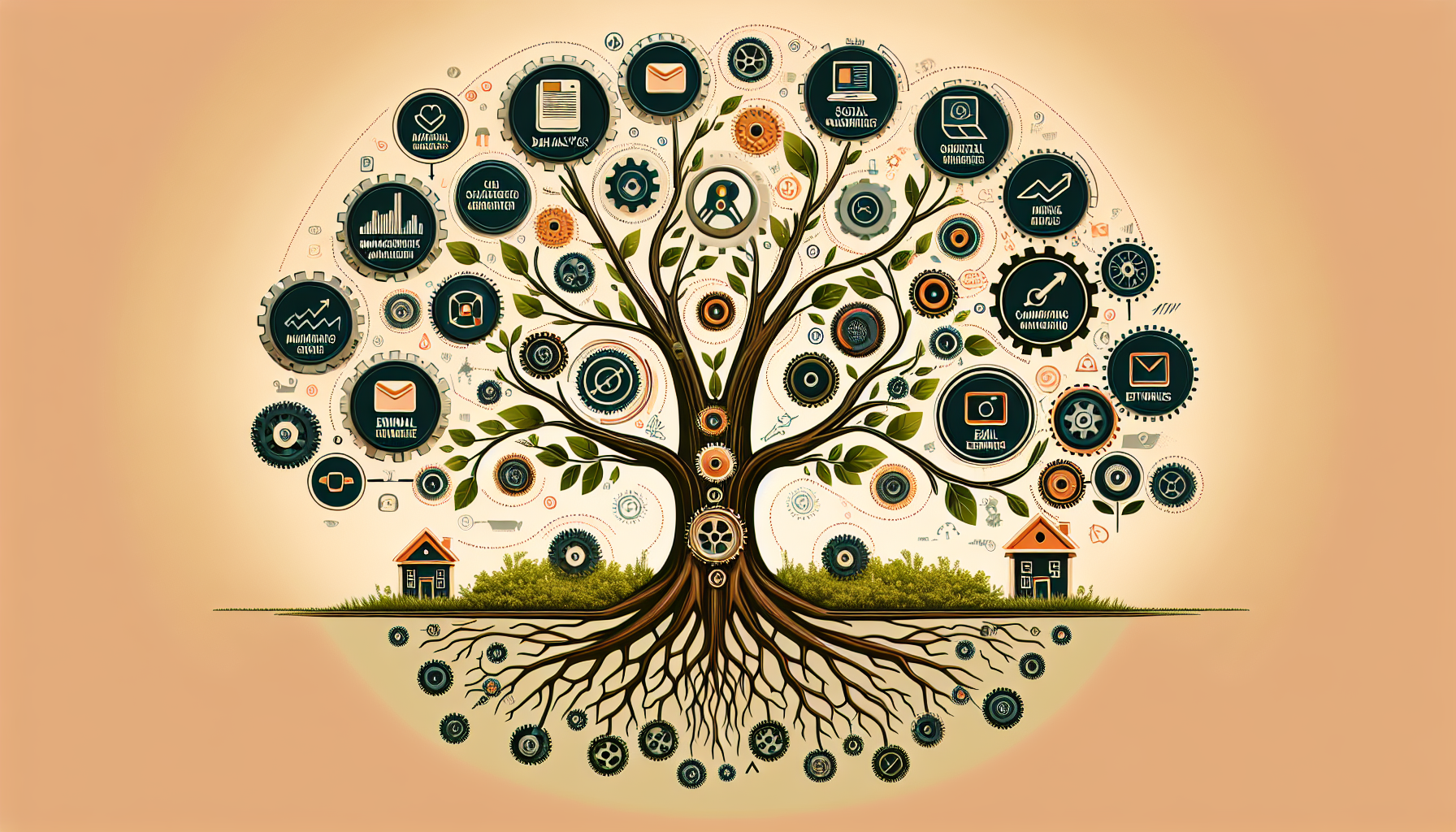

Real-Life Benefits of Automating Marketing Tasks for Small and Medium Enterprises
1. Enhanced Efficiency and Productivity
Automating marketing tasks allows small and medium enterprises (SMEs) to improve their overall efficiency. Processes that once required intense human effort, such as sending emails or managing social media posts, can now be handled by sophisticated marketing automation tools. This shift enables teams to focus on strategic initiatives rather than time-consuming manual tasks. For example, with email automation, businesses can schedule campaigns to run at optimal times without requiring real-time input, freeing up resources for higher-value activities.
2. Consistency in Messaging
Consistency is crucial in maintaining brand integrity. Automation ensures that marketing messages are consistently delivered across various platforms, including email, social media, and websites. A themed campaign can be launched simultaneously on multiple channels, guaranteeing that the intended message reaches the target audience consistently. This unified approach bolsters brand recognition and helps build trust among consumers.
3. Targeted Marketing Efforts
With automation, SMEs gain access to sophisticated data analytics tools that allow for behavioral monitoring, segmentation, and targeted marketing strategies. By analyzing user data, businesses can identify which customer segments are most receptive to their offerings. Automated systems enable personalized marketing messages tailored to specific audience groups, enhancing engagement rates. For instance, if a segment of customers frequently buys a particular type of product, automated systems can send personalized recommendations or targeted promotions on related items, resulting in higher conversion rates.
4. Improved Lead Nurturing
Lead nurturing is essential for converting prospects into paying customers. Automating the lead nurturing process allows businesses to develop and maintain relationships with potential customers through a series of targeted and personalized communications over time. Automated workflows can manage these interactions by sending tailored follow-up emails, reminders, and valuable content based on the customer’s behaviors and interests. This tactic not only accelerates the sales funnel but also keeps the brand top-of-mind for prospects, ultimately leading to increased sales.
5. Enhanced Customer Experience
Marketing automation tools can significantly enhance customer experience by providing timely and relevant content when the consumer needs it. Automated chatbots can assist customers on platforms like websites and social media by answering common inquiries instantly. This not only improves response times but also allows human agents to focus on more complex customer interactions. The result is a seamless customer journey that fosters positive experiences and loyalty.
6. Time Savings
SEMs often run on limited resources; thus, time savings are crucial. By automating repetitive tasks—such as scheduling social media posts or sending out newsletters—teams can reclaim hours in their workweek. This time can then be invested in creative marketing strategies, in-depth competitor analysis, and exploring new market opportunities. Automating routine tasks also minimizes the risk of human error, ensuring that the business maintains a professional and efficient digital presence.
7. Detailed Analytics and Reporting
One of the significant advantages of marketing automation is enhanced analytics capabilities. These tools provide comprehensive reports on campaign performance, lead sources, and customer engagement metrics. SMEs can track key performance indicators (KPIs) and gain actionable insights into their marketing efforts. This data-driven approach allows businesses to refine strategies, allocate resources better, and ultimately achieve higher ROI. Real-time visibility into marketing performance helps companies pivot quickly to optimize their campaigns.
8. Scalability
As SMEs grow, their marketing needs evolve. Marketing automation solutions are inherently scalable, allowing businesses to expand their marketing efforts without the need for a proportional increase in resources. Whether a company is launching new products, entering new markets, or managing an increased volume of customer communications, automation supports these changes by providing tools that can be easily adjusted to accommodate growth.
9. Integration with Other Tools
Modern marketing automation platforms can integrate with other essential business systems, such as customer relationship management (CRM) platforms, e-commerce solutions, and analytics tools. This ensures a seamless flow of information across departments, allowing for more coherent strategies and more productive teams. By creating a centralized system for tracking customer interactions and marketing data, SMEs can forge stronger customer relationships and unified campaigns.
10. Cost-Effectiveness
While there may be initial costs associated with implementing marketing automation, the long-term savings often outweigh these expenses. Automating processes can decrease the necessity for extensive marketing teams, as technology takes on many functions that would typically require multiple employees. This cost efficiency allows SMEs to allocate funds to other areas, such as product development or customer service, thereby driving overall growth.
11. Improved Customer Segmentation
Automation tools often include advanced segmentation features that help businesses categorize their customer base into precise groups based on behavioral patterns, demographics, or purchase history. This granularity enables SMEs to tailor marketing messages not just broadly but in a way that resonates with specific customer needs. For example, a retailer can run separate campaigns for first-time buyers and loyal customers, enhancing relevancy and engagement, and leading to higher conversion rates.
12. Increased Conversion Rates
By streamlining marketing processes, providing targeted messaging, and improving lead nurturing, businesses that implement marketing automation experience higher conversion rates. The consistent follow-ups and personalized communication encourage prospects to make purchasing decisions more quickly. Research indicates that companies leveraging automated marketing saw a 451% increase in qualified leads, showcasing the positive impact on conversion rates linked to effective automation.
13. Rapid Response to Market Changes
In a digitized market landscape where trends can shift overnight, speed is essential. Marketing automation allows SMEs to respond promptly to changes in the market or consumer preferences. Automated notifications help businesses keep an eye on customer interactions, enabling swift actions based on real-time data. If a particular campaign is performing exceptionally well, automation allows for immediate adjustment of budgets and resource allocations to capitalize on growth potential.
14. Simplifies A/B Testing
Understanding what resonates with your audience is vital for successful marketing. Marketing automation facilitates A/B testing processes, enabling businesses to compare different versions of campaigns effortlessly. Automated reporting can show which approach garners better engagement rates, allowing for informed decisions based on empirical data. This streamlined testing process helps SMEs refine their marketing strategies continuously.
15. Strengthened Social Media Management
Social media remains one of the most potent tools for SMEs to connect with their audience. Automating social media tasks such as scheduling posts, engaging with comments, and analyzing engagement metrics provides a comprehensive overview of social media performance. Instead of spending hours daily managing multiple platforms, marketing automation tools allow businesses to maintain active social profiles efficiently, ensuring they stay connected and visible in their markets.
16. Reducing Customer Churn
Maintaining existing customers is as crucial as acquiring new ones. Marketing automation can help reduce customer churn by enabling regular engagement and follow-ups that remind customers of value and keep them linked to the brand. Businesses can implement automated re-engagement campaigns for inactive customers or provide loyalty rewards based on purchasing behaviors. This consistent engagement reduces customer fatigue and strengthens brand loyalty.
17. Facilitates Content Marketing Efforts
Content marketing is vital for driving traffic and generating leads. Automated systems enable SMEs to schedule and distribute content across multiple platforms, ensuring that content reaches the intended audience at peak times. Furthermore, automation tools also facilitate content curation, helping businesses share relevant third-party content that adds value to their audience, thereby enhancing their industry authority.
18. Custom Workflow Creation
Another benefit is the ability to create custom workflows tailored to a business’s unique needs and objectives. SMEs can establish prerequisites for actions—such as sending different messages depending on user interactions or lifecycle stages. This customization fosters deeper customer engagement and allows businesses to design marketing strategies that suit their specific operational goals.
19. Operational Streamlining
Automation tools streamline operational processes within businesses. Tasks involving lead tracking, customer acquisition, and data collection become significantly simpler and less prone to human error when automated. This efficient operational framework minimizes roadblocks and optimizes the workflow from prospecting to conversion, supporting overall business functions and improving the customer experience.
20. Competitive Advantage
Lastly, SMEs that effectively harness marketing automation typically gain a competitive edge. By utilizing advanced tools that streamline processes, generate insights, and enhance customer engagement, these businesses position themselves ahead of competitors who rely on antiquated marketing methods. In today’s fast-paced environment, the ability to rapidly adapt to consumer demands and market trends can distinguish a successful business from its competitors.
Through these diverse benefits, marketing automation emerges as a vital strategy for SMEs searching to optimize operations, enhance customer experiences, and drive sustainable growth in an increasingly competitive landscape.
 English