

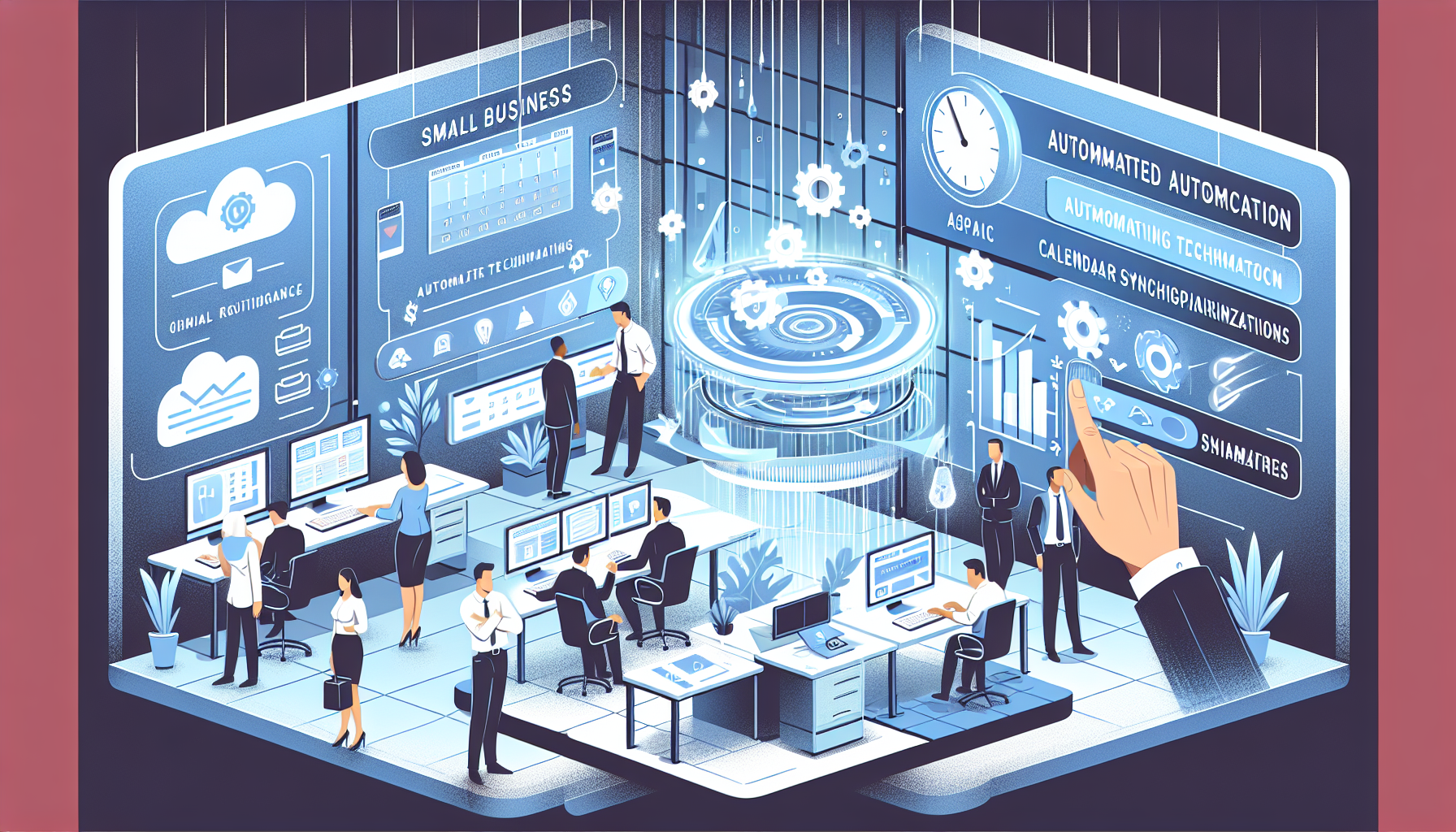

Understanding the Importance of Automation in Small Business
Automation is the use of technology to perform tasks that were previously carried out by humans. For small business owners, implementing automation can lead to increased efficiency, reduced costs, and improved customer satisfaction. By automating repetitive tasks, businesses can focus their resources on strategic areas that drive growth.
1. Identifying Repetitive Tasks for Automation
Before diving into automation tools, it’s crucial to identify which tasks consume valuable time and resources. Common repetitive tasks suitable for automation include:
- Email marketing: Creating and sending newsletters can be streamlined using email marketing platforms.
- Social media management: Scheduling posts helps maintain an active presence without daily effort.
- Invoicing and billing: Automating invoicing minimizes human error and speeds up payments.
- Data entry: Software solutions can automatically input data, reducing manual workloads.
2. Choosing the Right Tools for Your Needs
Selecting the right automation tools is essential. Various software solutions cater to different aspects of business operations. Here’s a breakdown of popular categories and tools:
-
Email Marketing Automation:
- Mailchimp: Offers campaign automation and customizable templates.
- Constant Contact: Provides tools for list segmentation and automated follow-ups.
-
Social Media Automation:
- Hootsuite: Manages multiple social media accounts and schedules posts.
- Buffer: Allows for post scheduling and analytics tracking.
-
Accounting Automation:
- QuickBooks: Automates invoicing, expense tracking, and tax calculations.
- Xero: Provides cloud-based accounting features with invoicing and reporting.
3. Streamlining Communication with Automation
Effective communication is vital for business success. Using automation can enhance how you interact with employees and customers.
-
Chatbots: Implementing chatbots on your website allows for 24/7 customer service. Tools like Intercom and Drift can engage visitors, answer FAQs, and qualify leads.
-
Email Responses: Utilize automated email responses for customer inquiries. Tools like Gmail allow for customizable auto-responses, ensuring timely communication.
4. Automating Project Management
Project management tools enhance collaboration and productivity. Automation within these tools ensures deadlines are met without micromanagement.
- Trello: Trello offers automation features like card due date reminders and task assignments through Butler.
- Asana: This platform automates task assignments and status updates, ensuring everyone remains informed on project progress.
5. Streamlined Customer Relationship Management (CRM)
Integrating a CRM system into your business operations can vastly improve customer interactions. Automation can enhance CRM functionalities.
- HubSpot CRM: This free-to-use CRM automates contact management, email tracking, and reporting.
- Salesforce: Offers advanced automation features for sales tracking and lead nurturing.
6. Automating E-commerce Operations
If your business operates online, automation is invaluable for streamlining e-commerce operations.
- Inventory Management: Tools like TradeGecko automate inventory tracking, ensuring you never run out of stock.
- Order Processing: Platforms like Shopify allow for automated order confirmations and shipment notifications, enhancing customer satisfaction.
7. Human Resource Automation
Managing employee information, payroll, and recruitment can be complex. HR automation tools simplify these processes.
- Gusto: Automates payroll processing, benefits management, and employee onboarding.
- BambooHR: Provides automated tools for applicant tracking, performance management, and employee record maintenance.
8. Marketing Automation for Lead Generation
Effective marketing strategies can be significantly enhanced through automation:
- Lead Scoring: Platforms like Pardot automatically score leads based on engagement, helping prioritize follow-ups.
- Content Scheduling: Automate content distribution through platforms like CoSchedule, optimizing your content marketing efforts.
9. Personalizing Customer Experience with Automation
Personalization enhances customer engagement and loyalty. Automation can help tailor experiences based on customer data:
- Email Segmentation: Tools like GetResponse allow for targeted email campaigns based on customer behavior and preferences.
- Recommendation Engines: Automated product recommendation tools analyze past purchasing behavior to suggest relevant products to customers.
10. Measuring the Impact of Automation
Tracking the effectiveness of your automation efforts is vital for continual improvement. Utilize analytics tools to measure performance:
- Google Analytics: Track metrics related to website traffic, conversion rates, and user behavior.
- KPIs: Establish key performance indicators (KPIs) like reduced processing times and increased revenue directly tied to automation.
11. Training Employees on Automation Tools
Implementing automation tools requires effective training programs. Ensuring your team understands how to utilize these tools maximizes their benefits.
- Workshops: Organize hands-on training sessions where employees can learn about new tools in a collaborative environment.
- Documentation: Develop user guides or recorded tutorials that are easily accessible to employees for future reference.
12. Staying Updated with Automation Trends
Technology evolves rapidly, and it’s essential to stay informed about the latest trends and tools in automation. Follow industry blogs, webinars, and podcasts that focus on automation advancements to maintain a competitive edge.
13. Balancing Automation with Human Touch
While automation streamlines processes, don’t overlook the importance of personal interaction. Maintain a balance between automated systems and human engagement to foster strong customer relationships. Regularly evaluate customer feedback to ensure that automated processes do not hinder customer satisfaction.
14. Building a Sustainable Automation Strategy
Create a roadmap for your automation journey. Consider the scalability of chosen tools and how they align with long-term business goals. Regularly review and update your automation processes to adapt to changing business needs and technological advancements.
15. Conclusion
Exploring automation opportunities is critical for small business growth. By systematically integrating automation across different business functions, owners can save time, reduce errors, and focus on strategic priorities that drive success. Engage with automation thoughtfully, ensuring that it enhances, rather than replaces, the personal connection that businesses have with their customers.
 English