

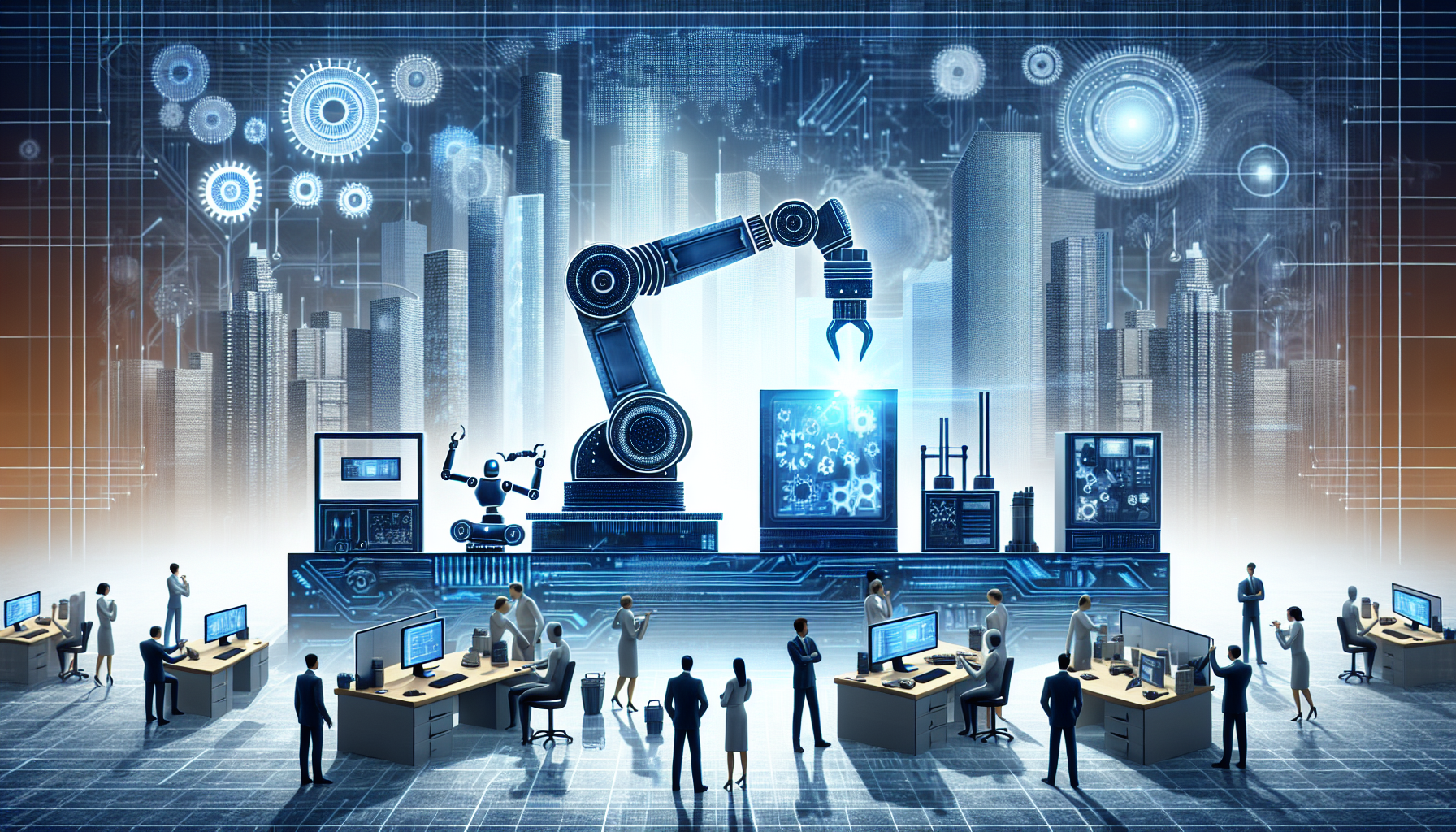

The Future of Work: How Automation is Changing the Workforce Landscape
Understanding Automation and Its Drivers
Automation encompasses the use of technologies to perform tasks without human intervention. The advent of robotics, artificial intelligence (AI), machine learning, and software automation has accelerated this shift, driven by the need for efficiency, accuracy, and cost-effectiveness. Businesses across industries are adopting automation to remain competitive, reduce labor costs, enhance productivity, and improve customer satisfaction.
The Evolution of Automation
Historically, automation focused on repetitive tasks in manufacturing, such as assembly lines equipped with robotic arms. Over the past few decades, however, automation expanded beyond industrial settings into service-oriented sectors, including finance, marketing, and healthcare. AI-driven solutions can analyze vast amounts of data, manage customer inquiries, and even generate content, making them invaluable tools for organizations.
Impact on Job Markets
According to a report by the World Economic Forum, automation will displace 85 million jobs by 2025 but will also create 97 million new roles, particularly those focused on human-centric skills such as emotional intelligence, empathy, and creativity. The net gain in employment points to a transformation rather than outright job loss. However, the types of available jobs will shift, prompting the need for workers to adapt their skill sets accordingly.
Skills Required for the Future Workforce
As automation continues evolving, the demand for specific skills changes dramatically. Workers need to develop competencies in technology, data analysis, and problem-solving. Moreover, soft skills such as communication, teamwork, and adaptability become increasingly important as automation handles routine tasks. Reskilling and upskilling initiatives are essential to equip employees with the necessary tools for future roles.
Key Skills to Cultivate:
- Technical Skills: Familiarity with AI, machine learning, and software tools will be crucial.
- Data Literacy: Understanding how to analyze and interpret data will become a standard requirement.
- Adaptability: Workers must embrace change and be willing to learn continuously.
- Interpersonal Skills: Collaboration and emotional intelligence will differentiate humans from machines.
Sectors Most Affected by Automation
Several industries are experiencing rapid changes due to automation:
- Manufacturing: Robotics optimize production lines, reducing errors and increasing output.
- Healthcare: AI systems can assist doctors in diagnosis and treatment plans, improving patient care.
- Finance: Algorithms can analyze market data, automate trading strategies, and minimize fraud.
- Retail: E-commerce platforms utilize AI for personalized shopping experiences and inventory management.
- Transportation: Autonomous vehicles are poised to revolutionize logistics and public transport.
The Role of AI in Automation
AI plays a pivotal role in enhancing automation capabilities. Beyond executing predefined tasks, AI algorithms learn from data patterns, enabling companies to automate more complex decision-making processes. This advancement means businesses can streamline operations, predict market trends, and tailor services to individual preferences.
Examples:
- Chatbots and Virtual Assistants: AI-powered chatbots handle customer inquiries, providing instant responses and freeing up human agents for more complex issues.
- Predictive Analytics: Companies leverage AI to forecast demand, improving resource allocation and inventory management.
Challenges Presented by Automation
While automation offers significant benefits, it presents substantial challenges as well. Employment displacement raises concerns about economic inequality, with low-skill workers facing the highest risk of job loss. Furthermore, the rapid pace of technological change can outstrip existing educational and training frameworks, leaving workers inadequately prepared for new opportunities.
Key Challenges:
- Job Polarization: The labor market may see a decline in middle-skill jobs, leading to increased opportunities in high-skill positions and a rise in low-skill jobs.
- Economic Disparity: Automation can heighten income inequality as companies that adopt new technologies may thrive while others lag behind.
- Data Privacy and Security: With increased reliance on technology comes the looming threat of cyberattacks, necessitating robust security measures.
Government and Policy Response
To address the challenges brought on by automation, governments must implement proactive policies. These include investing in education and vocational training programs to reskill the workforce, incentivizing companies to adopt technologies responsibly, and creating safety nets for displaced workers. Policymakers should also consider universal basic income (UBI) models as potential solutions to provide financial support during transitions.
Collaborative Robots (Cobots)
As a solution to various challenges, collaborative robots, or cobots, are designed to work alongside humans. Unlike traditional robots that operate independently and often pose safety risks, cobots enhance human capabilities by performing tasks that alleviate physical strain or increase workflow efficiency. This synergy can result in greater productivity while maintaining a human touch in service and manufacturing settings.
Applications:
- Assembly Lines: Cobots can assist human workers by handling heavy parts, allowing staff to focus on precision tasks.
- Healthcare Assistance: Robots can assist medical professionals in patient care, monitoring vitals and facilitating rehabilitation.
Cultural Shift in the Workplace
The rise of automation is also fostering a cultural shift within organizations. Employers are embracing more flexibility, adopting hybrid work models that rely on both in-office and remote arrangements. These transitions necessitate a culture of trust and collaboration as teams adapt to new workflows, technologies, and communication methods.
Cultural Changes:
- Emphasis on Lifelong Learning: Organizations increasingly promote continuous education and professional development.
- Focus on Work-Life Balance: As automation reduces repetitive burden, businesses can prioritize employee well-being and satisfaction.
- Enhanced Collaboration Tools: Companies utilize advanced communication platforms to facilitate collaboration among remote teams.
The Global Perspective
The ramifications of automation vary markedly across regions. Developed nations with advanced technological infrastructure may face faster adaptation and transformation, while developing countries might struggle with the transition. Global cooperation and knowledge sharing will be vital to ensure equitable access to opportunities created by automation.
International Trends:
- Investments in Technology: Nations are funding technological advancements to bolster their economies.
- Cross-Border Collaborations: Companies are working together across geographical lines to foster innovation and skill exchange.
Future Job Creation
Beyond traditional sectors, automation is projected to create jobs in emerging technologies, such as blockchain, renewable energy, and advanced manufacturing. As companies evolve, new demand for roles focused on innovation management, AI ethics, and data stewardship will emerge.
Emerging Roles:
- AI Ethicists: Professionals ensuring ethical considerations in AI deployments.
- Sustainability Managers: Experts guiding businesses toward greener operations.
- Data Curators: Individuals responsible for managing datasets to drive insights.
Navigating the Path Ahead
Companies, workers, and policymakers must collaborate to navigate the complexities of an automated future successfully. This entails embracing change, fostering a robust culture of learning, and prioritizing ethical considerations in technology deployment. By doing so, we can ensure that automation enhances the workforce, creating a future of work that is not only efficient but inclusive and equitable.
 English