

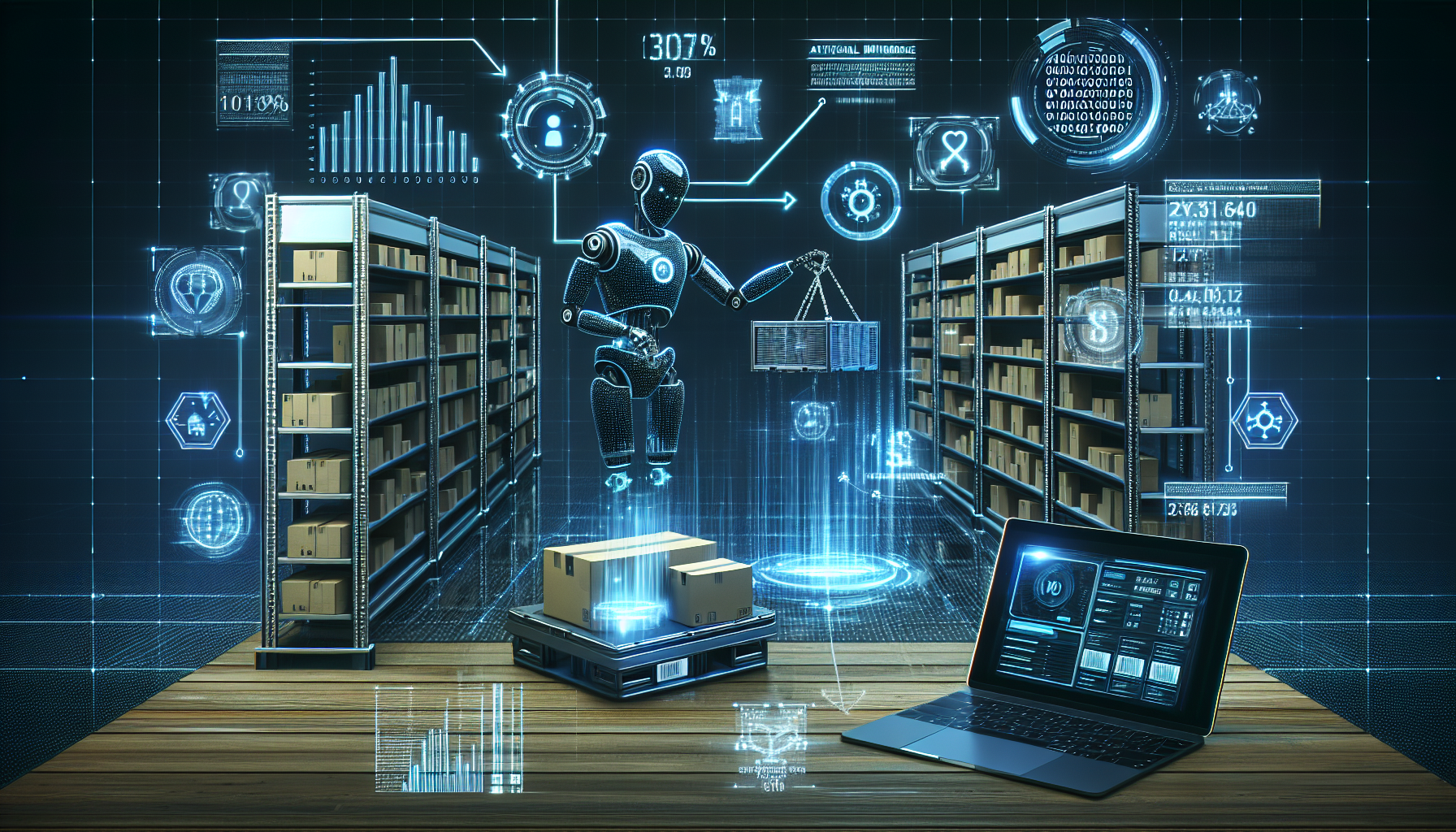

The Role of AI in Real-Time Inventory Management for eCommerce
Increased Efficiency Through Automation
AI-powered systems drastically reduce the time and effort required for inventory management. Automation of mundane tasks like stock counting, data entry, and report generation allows businesses to focus on strategic initiatives. Instead of relying on outdated manual processes, eCommerce platforms can utilize machine learning algorithms to streamline operations, minimizing human error, and optimizing supply chain efficiency.
Demand Forecasting with Predictive Analytics
One of the most significant advantages of AI in inventory management is its capability to analyze large datasets for accurate demand forecasting. By employing predictive analytics, these systems can assess historical sales data, seasonal trends, and external factors to project future inventory needs. This forward-looking approach helps merchants avoid overstock situations and stockouts, ultimately leading to improved customer satisfaction and streamlined operations.
Real-Time Data Monitoring
AI technologies enable real-time data monitoring of inventory levels, sales transactions, and supply chain movements. By integrating IoT devices with AI systems, eCommerce companies can track inventory in real time, gaining insights into stock availability, sales trends, and consumer behavior. This empowers retailers to make informed decisions swiftly, boosting responsiveness to market changes.
Enhanced Supplier Management
AI helps eCommerce businesses streamline supplier relationships through data-driven insights. By analyzing supplier performance metrics, such as lead times, quality of goods, and delivery reliability, AI systems help identify the most reliable suppliers and negotiate better terms. Additionally, recommendation algorithms can suggest new suppliers that might offer better pricing or product quality, ensuring businesses can maintain optimal stock levels without compromising on quality.
Intelligent Reordering Systems
AI can automate reordering processes, ensuring that inventory replenishment happens seamlessly. Machine learning algorithms can analyze sales velocity, seasonal trends, and lead times to determine optimal reorder points. With automated reorder notifications, inventory managers can maintain just-in-time inventory levels, reducing the burden of manual tracking and ensuring that popular products are always in stock.
Cost Optimization
Operating with AI-driven inventory management helps businesses optimize costs. By identifying slow-moving items, excess stock, and identifying opportunities for bulk purchases, businesses can significantly reduce holding costs. Additionally, AI systems can suggest promotional strategies for slow-moving stock, helping to mitigate financial losses.
Improved Customer Experience
AI technologies enhance the customer experience by ensuring that sellers can meet consumer demands promptly. AI-driven inventory systems enable accurate stock-level information and updating product availability on the website in real time. Customers can enjoy features like personalized recommendations based on their browsing history and purchasing habits, catering to their preferences and increasing conversion rates.
Integration with Multi-Channel Sales Platforms
In the ever-evolving eCommerce landscape, businesses often operate across various channels, including marketplaces, social media, and online stores. AI-driven inventory management systems can integrate seamlessly across these platforms, offering one cohesive view of the inventory. This integration simplifies the complexity of managing stock across multiple locations, enabling eCommerce retailers to synchronize inventory data in real time and ensure consistent availability across channels.
Fraud Detection and Mitigation
Fraudulent activities such as inventory misrepresentation are serious concerns for eCommerce businesses. AI-based systems can detect anomalies in inventory data, identifying irregular stock movements and unusual purchasing patterns. By monitoring transactions and flagging suspicious activities, AI helps reduce potential inventory theft and ensures more accurate reporting.
Enhanced Analytics and Reporting
AI provides comprehensive analytics and reporting tools that allow eCommerce businesses to understand their inventory metrics in-depth. These insights can include turnover rates, order history, and seasonal demand patterns, enabling businesses to make data-driven decisions. By translating complex data sets into understandable visualizations, businesses can easily convey their inventory performance to stakeholders.
Scalability
As businesses grow, so do their inventory management needs. AI systems are inherently scalable, adapting to increased data loads and expanded inventory assortments seamlessly. This scalability is crucial for eCommerce businesses that experience fluctuating seasonal demands, ensuring that they can maintain control over their inventory no matter their size.
Customer Retention Strategies
AI-driven insights can help eCommerce businesses tailor their retention strategies by understanding customer behaviors related to inventory. Through analyzing shopping patterns, AI can identify products that are often returned or lead to cart abandonment due to stock issues. Armed with this information, businesses can create effective interventions, such as improving product descriptions, enhancing quality control, or adjusting inventory levels to meet customer preferences.
Environmental Considerations
An often-overlooked advantage of AI in inventory management is its potential to promote sustainable practices. By optimizing inventory levels and reducing waste, eCommerce retailers can minimize their environmental footprint. AI helps identify excess products and promotes circular economy practices, such as utilizing leftover inventory in alternative channels or recycling unsold items.
Seamless User Experience
Integrating AI into inventory management supports an enriched user experience on eCommerce platforms. Real-time features allow customers to see only available products, enriching their shopping experience. Additionally, AI can facilitate personalized communication based on inventory patterns, such as notifying customers about restocks or new arrivals that align with their past purchases, leading to enhanced customer engagement.
Training and Development
To maximize the benefits of AI in inventory management, businesses must invest in their teams’ training and development. Familiarizing employees with AI technologies, data analysis techniques, and the operational workings of AI systems can optimize workforce efficiency. Furthermore, embracing a culture of continuous learning will ensure that teams remain adaptable to technological advancements that can drive innovation.
Value of Data Security
As businesses increasingly rely on AI for inventory management, the importance of securing sensitive data grows. AI systems can detect potential cybersecurity threats by analyzing irregular access patterns to inventory data. By integrating AI with robust cybersecurity measures, eCommerce businesses can protect their inventory data from unauthorized access and data breaches.
Interactive Chatbots for Inventory Queries
AI-driven chatbots can significantly enhance customer service by assisting in inventory-related queries. 24/7 availability allows consumers to receive instant responses about product availability, leading to improved engagement. Additionally, these chatbots can help administrative staff by answering routine inventory queries, freeing up human resources for more complex tasks.
Conclusion
AI is transforming the landscape of real-time inventory management in eCommerce. By providing robust automation, intelligent forecasting, and seamless integration, AI empowers retailers to optimize operations and enhance customer satisfaction. With a relentless focus on data, accountability, and efficiency, AI represents a vital element in strategic inventory management that will shape the future of eCommerce.
 English