

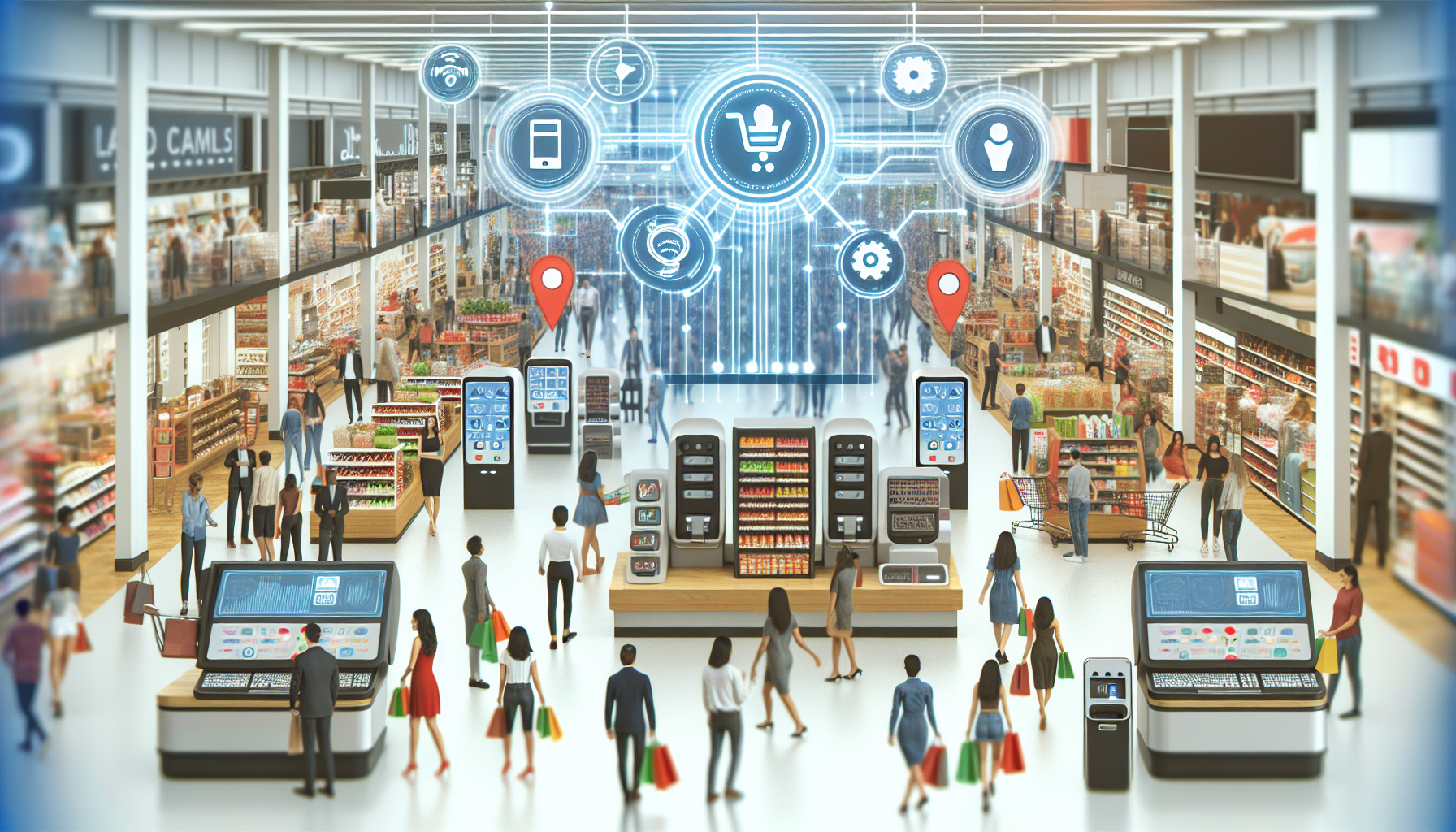

The Role of Automation in Improving Customer Retention in Retail
Understanding Customer Retention
Customer retention is critical in the retail industry, where acquiring new customers is often more expensive than keeping existing ones. Retained customers contribute significantly to revenue through repeat purchases and brand loyalty. Automating processes can significantly enhance customer experiences, thus improving retention rates. To leverage automation effectively, retailers must understand its various roles, from personalized marketing to customer service enhancements.
Personalized Marketing through Automation
Tailored Recommendations
Automation allows retailers to analyze customer behavior and preferences in-depth. By leveraging data analytics and machine learning, retailers can offer personalized product recommendations. For instance, when a customer browses a website, automated systems can suggest items based on past purchases or items frequently bought together. This tailored experience makes customers feel valued and understood, significantly improving their retention.
Targeted Email Campaigns
Automated email marketing campaigns can enhance customer engagement and retention. Retailers can segment their customer base according to purchase history, preferences, and browsing behavior. Automated emails can be triggered for various reasons—abandoned carts, exclusive promotions, or post-purchase follow-ups. These targeted communications nurture relationships and keep the brand top-of-mind, fostering loyalty.
Enhancing Customer Service with Automation
Chatbots and Virtual Assistants
One of the most noticeable uses of automation in retail is through chatbots and virtual assistants. These tools can handle customer inquiries 24/7, providing instant support without unnecessary delays. A responsive customer service system helps in cultivating trust and satisfaction, essential factors for encouraging customers to return. Advanced chatbots can resolve complex issues as well, contributing to an overall positive shopping experience.
Automated Returns Processing
Returns are often a customer’s point of frustration. Automated systems can streamline the returns process, making it hassle-free for customers. By providing simple return instructions and swiftly processing refunds or exchanges, retailers can alleviate negative experiences associated with returns. Satisfied customers with positive return experiences are more likely to remain loyal and return for future purchases.
Streamlining the Shopping Experience
Inventory Management Systems
Automating inventory management helps ensure that products are consistently in stock. Advanced systems can analyze sales trends, forecast demand, and reorder supplies automatically. When customers find the products they want available, their shopping experience is enhanced, increasing the likelihood of repeat business. Additionally, automated alerts for low stock can keep retailers proactive in meeting customer needs.
Omnichannel Shopping Integration
Automation facilitates a smoother omnichannel shopping experience, where customers can interact with a brand seamlessly across various platforms—online, in-store, or via mobile. Automated systems allow real-time inventory visibility and customer account access across all channels. The ease of transitioning between these platforms provides customers with flexibility, which, in turn, enhances loyalty.
Feedback and Improvement through Automation
Automated Surveys and Feedback Requests
To understand customer satisfaction, retailers can use automated surveys after purchases or service interactions. Automation allows for quick deployment and collection of customer feedback, providing essential insights into areas needing improvement. By actively engaging with customers through feedback loops, retailers can implement changes that reinforce positive experiences, ultimately driving customer retention.
Analyzing Customer Insights
Analytics tools can automate the process of compiling customer feedback and purchasing behaviors. By analyzing this data, retailers can identify trends and patterns, enabling informed decision-making for future marketing strategies and product offerings. A deep understanding of customers’ wants and needs not only aids in retention but can also foster innovation in product development.
Loyalty Programs and Automation
Streamlined Enrollment Processes
Automated systems simplify the enrollment process for loyalty programs, making it easy for customers to join and begin earning rewards. Emails can be automatically sent to customers after their first purchase, inviting them to join the loyalty program. Increased participation in loyalty programs drives repeat purchases, as customers become more motivated to return for rewards.
Reward Management Automation
Furthermore, automation can manage reward points and track customer redemption effortlessly. Customers appreciate transparency regarding their points and rewards status. Automated updates through email or mobile notifications can keep customers informed, enhancing their experience and encouraging them to return to redeem their rewards.
Cost-Effective Solutions
Reducing Operational Costs
Implementing automation in retail not only enhances customer experiences but also reduces operational costs. By automating routine tasks, employees can focus on higher-value activities that engage customers directly. Reduced operational costs can be reallocated to improving the customer experience, creating a positive feedback loop that ultimately enhances retention.
Efficient Marketing Expenditure
Automated marketing allows retailers to tailor their strategies more effectively. With precise targeting and segmentation, marketing budgets can be utilized more efficiently, reducing spend on less effective campaigns. This effectiveness leads to a better customer experience, as high-quality and relevant advertisements reach the appropriate audiences, ultimately supporting retention objectives.
Data Security and Trust
Ensuring Customer Data Protection
With heightened awareness of data privacy, automated systems can enhance data security significantly. By utilizing secure automated processes for contact information and payment methods, retailers can assure customers that their data is protected. Trust in data handling is essential for building long-term customer relationships, which are pivotal for retention.
Compliance Automation
Automating regulatory compliance processes can help retailers adhere to data protection laws. Automated systems for monitoring and reporting ensure that companies follow best practices, thus enhancing customer trust and retention. Being proactive in this area can also provide a competitive edge, differentiating retailers in a crowded marketplace.
Conclusion
The integration of automation into retail not only streamlines operations but also creates a more engaging, personalized, and satisfying customer experience. By investing in automated tools and systems, retailers can focus on cultivating deeper relationships with their customers, ultimately leading to improved retention rates. The tipping point for success in retail increasingly lies in how well a company can integrate technology into its customer interaction strategies.
 English