

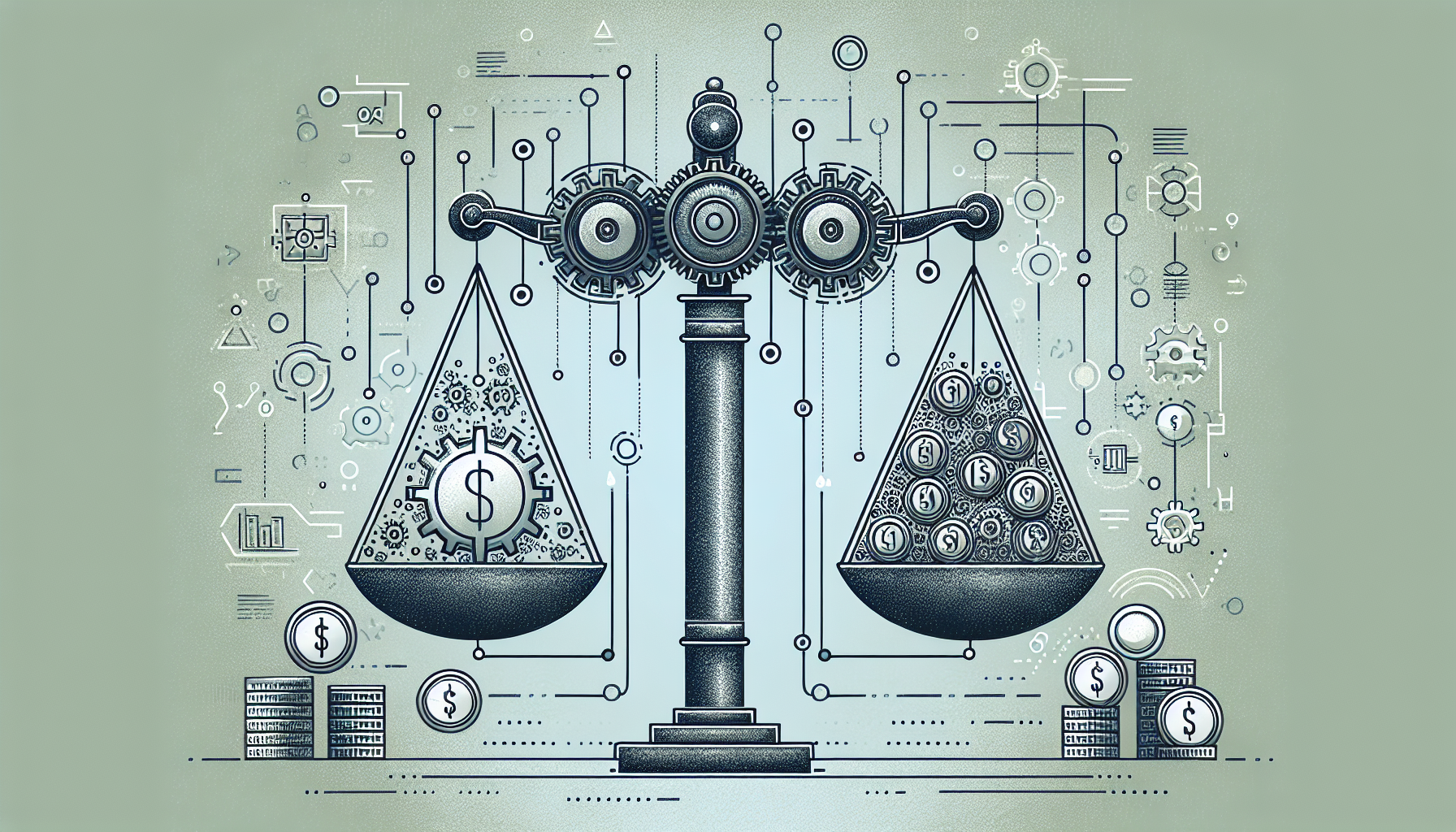

Understanding the Cost-Benefit Equation of AI Automation for Entrepreneurs
1. What is AI Automation?
AI automation refers to the use of artificial intelligence technologies to perform tasks or processes that historically required human intervention. This encompasses a wide range of applications, from customer service chatbots to advanced data analytics tools. Understanding the nuances of AI automation is essential for entrepreneurs looking to enhance efficiency and drive innovation within their businesses.
2. Why Consider AI Automation?
2.1 Enhanced Efficiency
AI automation can significantly streamline operations by executing repetitive tasks with precision and speed, allowing employees to focus on higher-value activities. For instance, chatbots can handle customer inquiries around the clock, reducing the workload on customer support teams.
2.2 Cost Savings
While the initial investment in AI technology can be substantial, the long-term savings often justify the expenditure. By automating mundane tasks, businesses can reduce labor costs and minimize human error, which can lead to costly mistakes.
2.3 Improved Decision-Making
AI systems can process vast amounts of data quickly, providing insights that help entrepreneurs make more informed decisions. Data-driven decision-making is crucial in a competitive landscape, enabling businesses to adapt swiftly to changing market conditions.
3. Analyzing the Costs of AI Automation
3.1 Initial Setup Costs
The primary costs associated with AI automation include software licensing, hardware upgrades, and potential consulting fees for implementation. Entrepreneurs should conduct thorough research to find solutions that align with their budget and operational needs.
3.2 Maintenance and Updates
AI technologies require regular updates and maintenance to function optimally. This may involve ongoing subscriptions, training for staff to use new tools, or hiring additional IT support. Evaluating these ongoing costs is vital when assessing the overall financial impact.
3.3 Potential Job Displacement
While AI automation can lead to significant efficiency gains, it can also create workforce challenges. Entrepreneurs must consider the ramifications of job displacement and the impact on team morale. Developing retraining programs for affected employees can mitigate negative outcomes and foster a culture of adaptability.
4. Evaluating the Benefits of AI Automation
4.1 Increased Productivity
AI automation can drastically increase productivity levels across various departments. For example, marketing teams can utilize AI for data analysis of consumer behavior, enabling them to understand engagement rates and optimize campaigns without significant manual oversight.
4.2 Customer Experience Enhancement
AI technologies, such as personalized recommendations and proactive customer service, can enhance the overall customer experience. This level of engagement can boost customer retention and loyalty, which is essential for long-term success.
4.3 Scalability
AI automation allows businesses to scale operations efficiently. As demand grows, automated systems can adjust to increased workloads without the proportional rise in operational costs that typically accompany growth. This scalability can provide entrepreneurs with a competitive edge.
5. Performing a Cost-Benefit Analysis
5.1 Identifying Key Metrics
To conduct a thorough cost-benefit analysis, entrepreneurs should identify key performance indicators (KPIs) that reflect the impact of automation on their business. Key metrics might include efficiency rates, customer satisfaction scores, and return on investment (ROI).
5.2 Time Frame for Returns
Understanding the time frame for realizing benefits is crucial. Some AI automation solutions may provide immediate efficiency gains, while others might take longer to yield substantial returns. Setting realistic expectations will help entrepreneurs make more informed decisions.
5.3 Long-Term Vision
Entrepreneurs should adopt a long-term perspective when assessing the costs and benefits of AI automation. Successful implementation can lead not only to immediate gains but also to transformative changes in business models and operational strategies.
6. Choosing the Right AI Automation Solutions
6.1 Assessing Business Needs
Before selecting an AI automation solution, entrepreneurs must analyze their specific business needs and pain points. This involves engaging with various departments to understand their workflows and identify areas where automation could be most beneficial.
6.2 Vendor Evaluation
A comprehensive vendor evaluation process is crucial. Entrepreneurs should compare various options, looking for features, scalability, and customer support. Engaging in trials and seeking user feedback can provide invaluable insights during the decision-making process.
6.3 Integration with Existing Systems
Successful implementation of AI solutions requires that they integrate smoothly with existing business systems. Entrepreneurs should prioritize solutions that offer compatibility with their current technology infrastructure to enhance usability and minimize disruptions.
7. Implementation Strategies
7.1 Pilot Programs
Starting with pilot programs can minimize risk when introducing AI automation. By selecting a specific department or function to test the automation, entrepreneurs can gather insights and make necessary adjustments before a full rollout.
7.2 Employee Training
Comprehensive training programs for employees are crucial in ensuring successful adoption of AI solutions. By providing training on both the technical aspects and the strategic benefits of automation, entrepreneurs can foster a culture that embraces change.
7.3 Continuous Monitoring and Optimization
Post-implementation, continuous monitoring of AI systems is vital to ensure they are performing as intended. Leveraging analytics tools to track performance will enable entrepreneurs to optimize processes and enhance the benefits of automation over time.
8. Future Trends in AI Automation
8.1 Growing Accessibility
As AI technologies continue to evolve, they are becoming more accessible to businesses of all sizes. Solutions that were once only affordable for large enterprises are now available for smaller businesses at reduced costs, democratizing access to advanced technologies.
8.2 Increasing Integration with IoT
The integration of AI with the Internet of Things (IoT) is shaping the future of automation. Businesses can leverage AI to analyze data from connected devices, leading to improved operational efficiencies and enhanced decision-making capabilities.
8.3 Ethical Considerations
As AI becomes more prevalent, ethical considerations regarding data privacy, bias, and transparency will play a pivotal role in shaping public perception and regulatory frameworks. Entrepreneurs must navigate these complexities to maintain trust and comply with emerging guidelines.
9. Conclusion
The cost-benefit equation of AI automation is complex but crucial for entrepreneurs looking to enhance their competitiveness in an increasingly powered-by-technology marketplace. A detailed understanding of both costs and benefits, alongside careful planning and implementation, will position businesses for sustainable success.
 English