

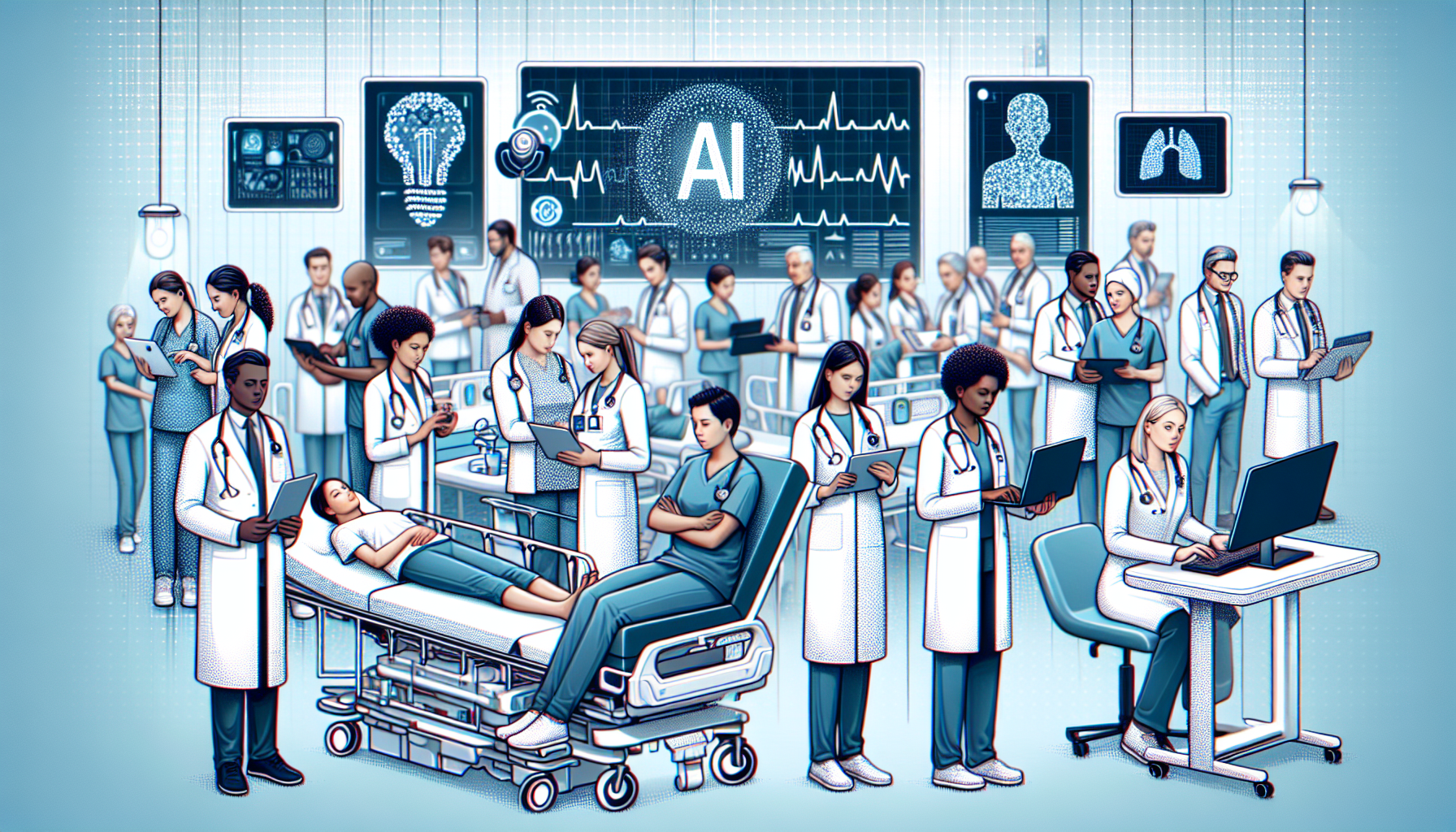

Understanding Workflow Efficiency in Healthcare
In recent years, the healthcare sector has faced increasing demands for higher efficiency and improved patient outcomes. Workflow efficiency refers to the smooth and effective execution of tasks within a healthcare organization, critical for both operational performance and patient satisfaction. By improving workflow efficiency, healthcare facilities can reduce costs, lower waiting times, and enhance the overall patient experience.
The Role of AI in Healthcare
Artificial Intelligence (AI) has emerged as a transformative technology that can significantly improve workflow efficiency in healthcare. AI solutions encompass various applications, including machine learning, natural language processing, and robotics, each contributing to easier decision-making and enhanced operational processes.
AI-Powered Administrative Tasks
Healthcare facilities grapple with numerous administrative tasks, such as appointment scheduling, patient data management, and billing. AI can automate repetitive administrative functions, allowing staff to focus on providing optimal patient care.
Appointment Scheduling: AI-driven systems can analyze patient data to manage appointment scheduling, predicting optimal times for appointments based on historical data and staff availability. This minimizes no-show rates by sending automated reminders to patients.
Billing and Claims Processing: Automation technologies can streamline the billing process by extracting data from insurance claims and minimizing human error. AI algorithms can predict the likelihood of approval, thereby reducing the time spent on follow-ups and resubmissions.
Enhancing Clinical Decision-Making
AI algorithms can assist healthcare professionals by providing valuable insights drawn from vast datasets. These insights help in clinical decision-making and can significantly enhance the workflow by speeding up diagnostics and treatment planning.
Diagnostic Support: AI can analyze medical images much quicker than human radiologists, detecting anomalies and improving diagnostic accuracy. With AI’s ability to learn from previous cases, these tools can assist in identifying subtle patterns, leading to faster diagnosis and treatment initiation.
Predictive Analytics: AI-driven predictive models can analyze patient records to foresee complications or disease progression. This capability allows healthcare providers to proactively address patient needs, thereby improving workflow and reducing emergency interventions.
Streamlining Communication
Communication is pivotal for maintaining an efficient workflow in healthcare settings. AI facilitates better communication among healthcare professionals, patients, and administrative staff.
Chatbots for Patient Queries: AI chatbots can assist in managing patient inquiries, from appointment bookings to health-related questions. By providing immediate responses to common queries, these chatbots free up staff time for more complex issues.
Voice Recognition Technology: Tools such as natural language processing make documentation easier and more efficient. Physicians can dictate notes and patient histories, which AI systems can convert into structured data, thereby reducing administrative burden and improving record accuracy.
Optimizing Resource Management
AI is vital for optimizing resource allocation in healthcare facilities. Efficient management of resources correlates with improved patient care and operational efficiency.
Staffing Optimization: AI algorithms can evaluate historical data to forecast patient inflow, allowing healthcare organizations to optimize staffing levels. By predicting peak times, facilities can ensure enough personnel are available to meet patient demand without the cost of overstaffing during quieter periods.
Inventory Management: AI systems can monitor inventory levels of medical supplies and medications in real time, reducing waste and ensuring availability. Machine learning algorithms can predict usage patterns and automate restocking processes.
Enhancing Patient Engagement
Engaging patients can improve adherence to treatment plans and overall satisfaction. AI-driven solutions can enhance how healthcare providers communicate and connect with their patients.
Personalized Health Apps: AI can help develop personalized health applications that provide patients with tailored recommendations based on their medical history and preferences. This empowers patients to take charge of their health and fosters adherence.
Telemedicine Solutions: AI enhances telemedicine platforms through improved symptom checkers and treatment recommendations, making healthcare more accessible. These technologies ensure patients receive timely care, reducing unnecessary hospital visits and minimizing waiting times.
Data Security and Compliance
In a data-driven environment, ensuring the security of patient information is crucial. AI plays a pivotal role in safeguarding healthcare data and maintaining compliance with regulations such as HIPAA.
Data Encryption and Monitoring: AI systems can monitor for unusual activities within networks, identifying potential security breaches. By automating threat detection and response, these systems safeguard sensitive data more effectively than manual oversight.
Compliance Tracking: AI can also help healthcare organizations track regulatory compliance by automating the auditing processes. By analyzing changes in healthcare laws and regulations, AI ensures institutions remain compliant in real-time.
Challenges and Ethical Considerations
Despite the numerous advantages of AI in healthcare, challenges remain. Integration issues, change resistance among staff, and ethical considerations regarding data usage and patient privacy need to be addressed.
Integration Challenges: The existing infrastructure in many healthcare settings may not be compatible with new AI systems. A careful evaluation of technology and staff training is essential for smooth integration to maximize efficiency.
Ethical Data Use: Ethical considerations regarding AI’s decision-making processes must also be prioritized. Organizations must establish clear protocols to ensure data is used responsibly while maintaining patient privacy and consent.
The Future of AI in Healthcare Workflow
The future of AI in enhancing workflow efficiency in healthcare is promising. As technology continues to advance, healthcare providers can expect even more refined AI solutions that integrate seamlessly into existing systems.
Continuous Learning Systems: As AI algorithms analyze more data, their predictive capabilities will improve, leading to even higher efficiency in workflows. This adaptive learning means that AI tools can tailor recommendations to individual patient needs over time.
Interdisciplinary Collaboration: The collaboration between technology and healthcare professionals will be essential in crafting effective AI solutions. Stakeholders must engage in a dialogue to ensure that AI implementations address actual workflow challenges faced by practitioners.
Ultimately, AI is set to redefine the landscape of healthcare by streamlining processes, enhancing patient engagement, and improving decision-making capabilities while ensuring that patient care remains at the forefront of technological advancements. As the healthcare industry embraces these innovations, continuous improvement in workflow efficiency is not just a goal but an attainable reality.
 English